Description

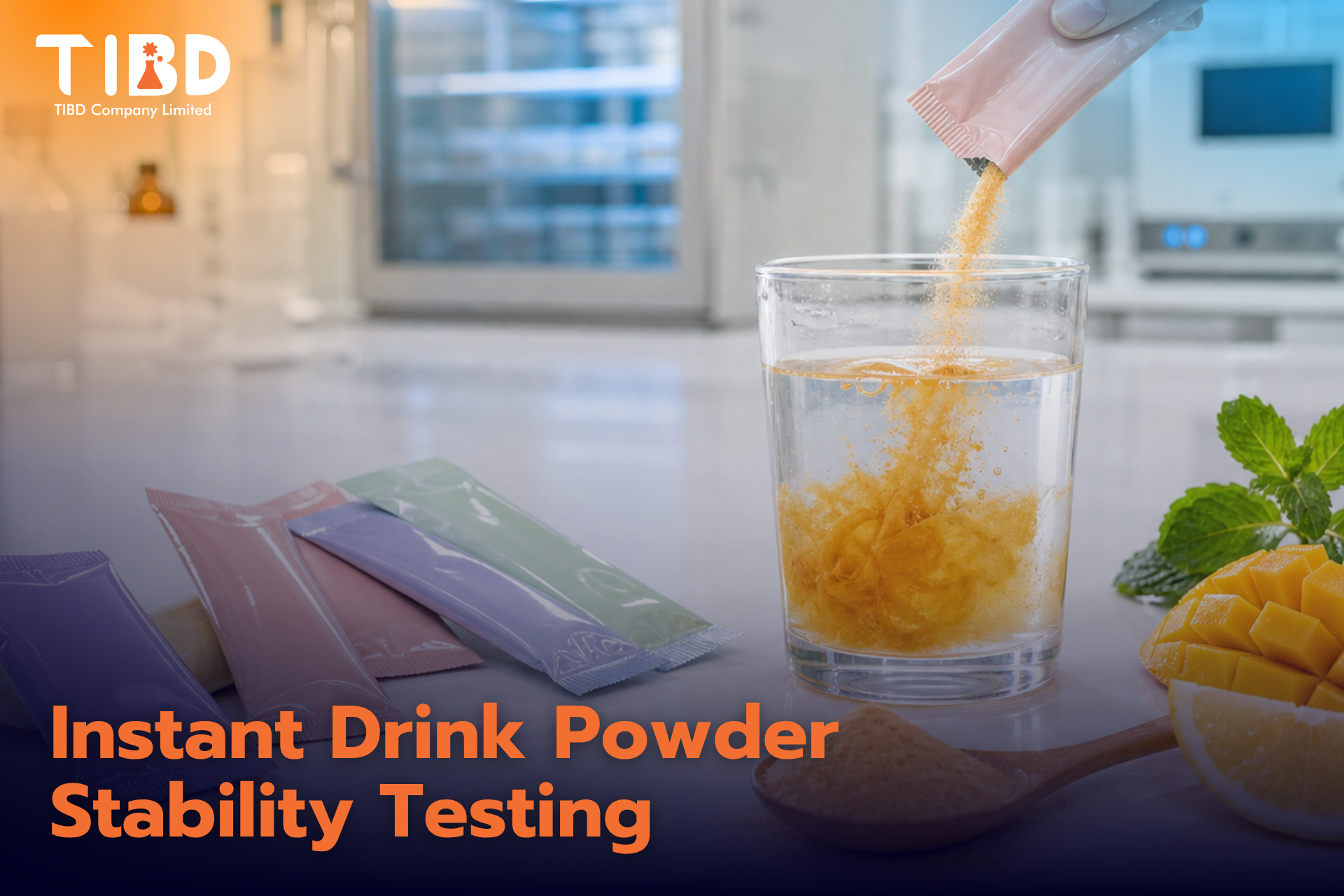
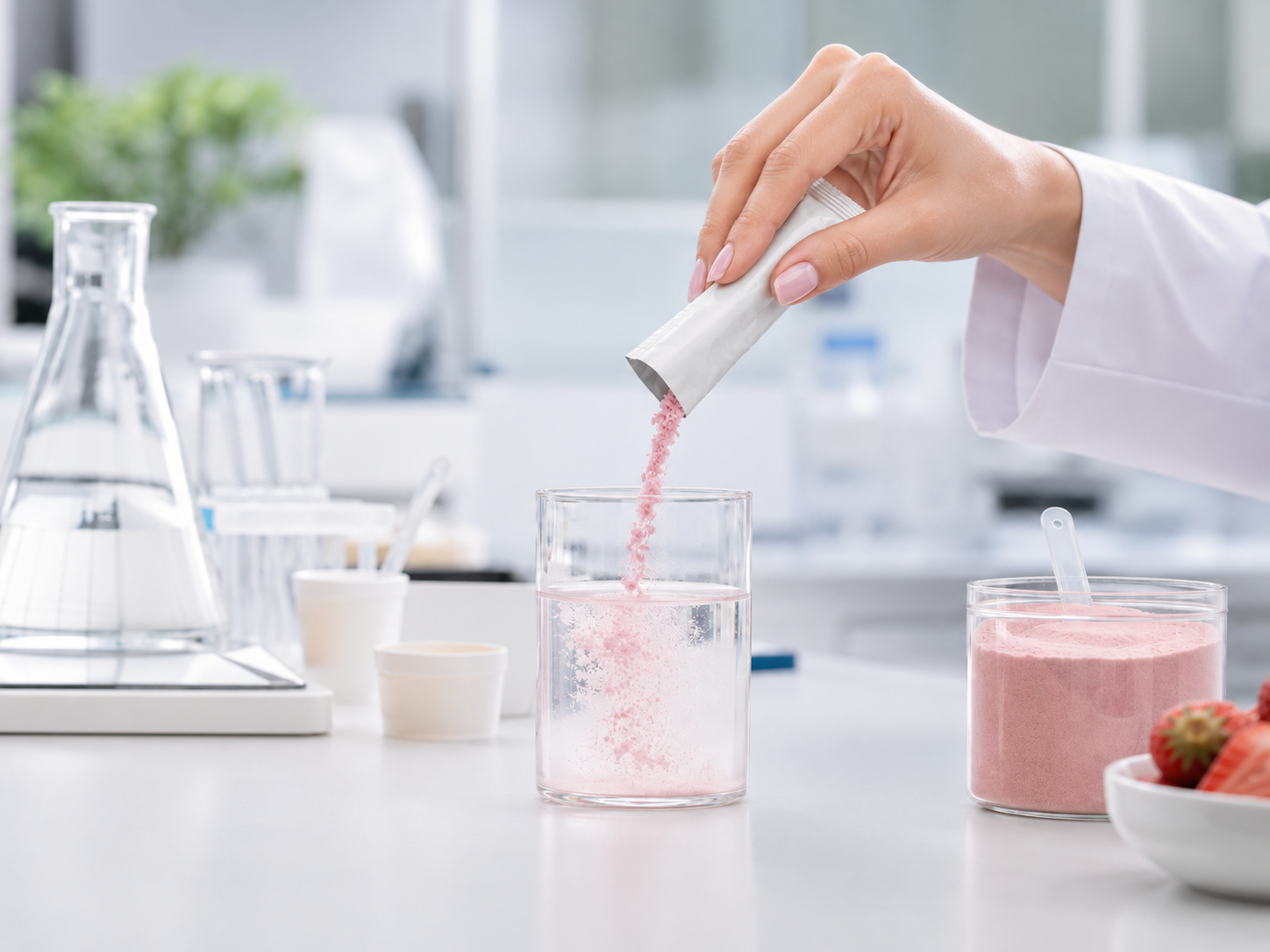
Instant drink powder products are a widely popular format in the Thai and ASEAN market, covering Whey Protein Powder, Plant-based Protein Powder, Functional Powders containing collagen, vitamins and plant extracts, Energy Drink Powder, Coffee Mix, and instant herbal drink powders.

The challenge for drink powders in the ASEAN Zone IVb tropical-humid climate is that powders readily absorb moisture from the environment (Hygroscopic), leading to caking over time and accelerated degradation of active ingredients. Vitamin C in drink powders is particularly sensitive to moisture and oxygen.

TIBD’s service is specifically designed for all types of drink powders, covering evaluation of moisture content, water activity (aw), caking, solubility, active ingredient quantification by HPLC, and microbiological testing, all conducted under ASEAN Zone IVb conditions in collaboration with VISBIO, an Independent Quality Assurance Verifier (IQAV).
Drink Powders in the Functional Food and Dietary Supplement Market

Drink powders in the market span several distinct categories:

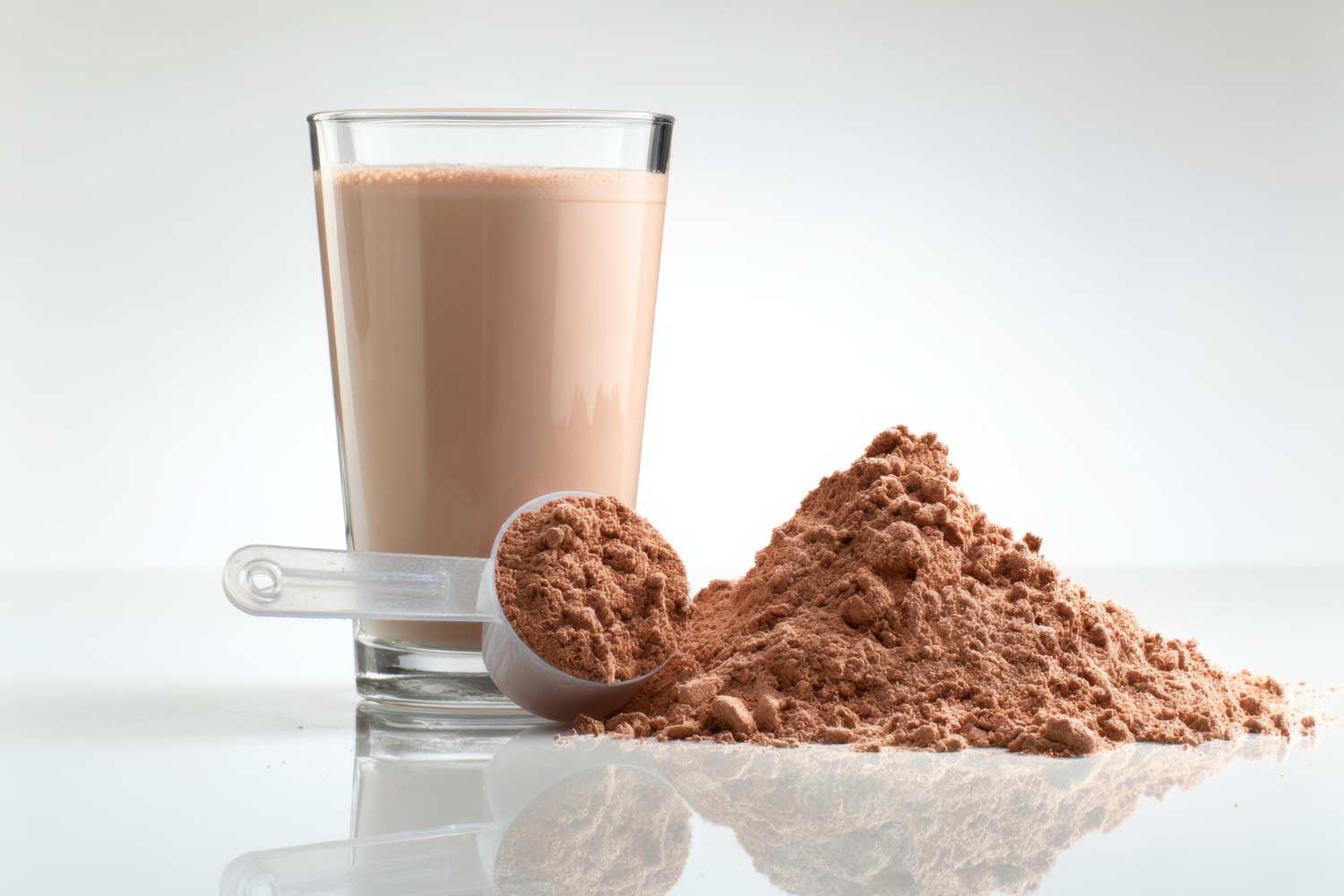
  • Whey Protein Powder and Plant-based Protein Powder for protein supplementation, popular in the fitness and sports nutrition segment
  • Collagen Powder with collagen peptides as the primary active ingredient, used for skin and joint health
  • Vitamin Drink Powder containing a range of vitamins and minerals
  • Instant herbal drink powders, such as turmeric powder, ginger powder, and moringa powder, consumed by dissolving in hot or cold water
  • Functional drink powders carrying specific health claims, such as immune support, weight management, and improved sleep quality
Stability testing for instant drink powders

Specific Challenges of Powder Systems in Tropical Humid Conditions

Drink powders face distinct stability challenges that differ fundamentally from liquid products.

  1. The first challenge is the hygroscopic nature of powders. Sugar powder, protein powder, and extract powder have large surface areas and readily absorb moisture from the surrounding atmosphere. Under Zone IVb conditions of 30°C / 75% RH, powders that are not in strictly moisture-barrier packaging may absorb 1 to 3% additional moisture over six months.
  2. The second challenge is caking. As powders absorb moisture, particles begin to bind together, making the powder difficult to scoop, causing uneven dissolution, and requiring consumers to break up clumps before use.
  3. The third challenge is the degradation of vitamins and marker compounds. Vitamin C is especially sensitive to moisture and oxygen. Probiotics in powder form require a low aw to maintain CFU/g counts. Carotenoids are sensitive to light and oxidation.
  4. The fourth challenge is the solubility of the powder. Powders that have absorbed moisture over time may lose their ability to dissolve quickly in water, requiring consumers to stir for longer than expected.
  5. The fifth challenge is color change, which may arise from Maillard Reaction between sugars and amino acids in systems with elevated moisture and temperature. Drink powders containing egg white powder, protein powder, or milk powder carry higher risk than carbohydrate-based powders.
  6. Drink powders containing Probiotics face the additional challenge of maintaining CFU/g throughout the shelf life. Live microorganisms degrade faster under conditions of elevated temperature and humidity. Microencapsulation is a widely used technique to protect probiotics and extend shelf stability.

Testing Parameters: Moisture, aw, Caking, Solubility

TIBD’s protocol covers parameters specifically designed for drink powders:

  • Moisture content, measured by Karl Fischer Titration. The standard range for drink powders is 1 to 5%. An increase of more than 2% indicates a packaging integrity concern.
  • Water activity (aw), measured with a Water Activity Meter. The value must not exceed 0.60 throughout the shelf life to inhibit microbial growth. For Probiotic powders, the ideal aw is 0.20 to 0.30 to preserve CFU/g counts.
  • Caking index, assessed by visual inspection or compressibility index. The Caking Index is calculated from the proportion of caked powder to total powder weight.
  • Solubility, tested by weighing a defined quantity of powder and dissolving it in water at a fixed temperature and stirring speed. The time to full dissolution and the clarity of the resulting solution are observed.
  • Particle size, measured by Laser Diffraction or Sieve Analysis. Changes in the particle size distribution indicate inter-particle binding.

Active Ingredient and Microbiological Analysis

Stability testing for instant drink powders

Active ingredient quantification in powders uses a range of analytical techniques:

  • Vitamins are analyzed by HPLC using a stability-indicating method for Vitamin C, B-complex, A, D, E, and K. Sample extraction from powder must be carried out carefully to prevent degradation during preparation.
  • Minerals are analyzed by ICP-MS or AAS to measure calcium, magnesium, zinc, and iron.
  • Protein content is measured by the Kjeldahl or Combustion Method for total protein, and HPLC for Amino Acid Profile.
  • Probiotics are evaluated by Plate Count on strain-specific growth media. The CFU/g count stated on the label must remain within range throughout the shelf life.
  • Microbiological testing follows Ministry of Public Health notifications, covering Total Plate Count, Yeast and Mold, and specified pathogenic microorganisms.

Testing Conditions and Sampling Schedule

The protocol follows ICH Q1A(R2) conditions for ASEAN Zone IVb.

  • Long-term stability testing is conducted at 30°C / 75% RH for a minimum of 12 months. Accelerated stability testing is conducted at 40°C / 75% RH for 6 months. For Probiotic powders, a condition of 5°C ± 3°C is added for the long-term study.
  • Standard sampling timepoints are months 0, 3, 6, 9, 12, 18, and 24 for long-term testing, and months 0, 1, 2, 3, and 6 for accelerated testing.
  • A special protocol for drink powders packaged in sachets includes Pouch Integrity Testing to detect leaks in the aluminum foil laminate layer, along with evaluation of the Oxygen Transmission Rate (OTR) of the packaging system.

Thai FDA Registration for Dietary Supplement Products

Drink powders classified as dietary supplements must be registered with the Thai FDA under the Food Act B.E. 2522. The Product Information File (PIF) must include stability data covering moisture, aw, caking, active ingredient content, microbiological test results, and a shelf life supported by actual study data.

For protein powders making high-protein content claims, supporting data is required to confirm that protein content is maintained throughout the shelf life.

Suitable Packaging Systems for Drink Powders

Packaging systems for drink powders are categorized by their level of protection. Aluminum foil laminate sachets provide the highest moisture and oxygen barrier performance, making them ideal for sensitive powders prone to degradation. Aluminum or tin cans provide strong protection and are resealable. PE or PET bottles with desiccant offer a more economical alternative.

Multi-serve drink powders (such as 500g canisters) carry higher moisture absorption risk than single-serve sachets because the packaging is opened and resealed multiple times. Evaluating the impact of repeated opening on moisture content, caking, and vitamin levels is therefore an additional requirement for this format.

Manufacturing Process and Its Impact on Stability

Spray Drying is a widely used manufacturing process for herbal extracts and probiotics. Controlling the inlet and outlet temperatures of the spray dryer affects particle size, moisture content, and preservation of active ingredient properties. Using appropriate carrier materials, such as Maltodextrin, Gum Arabic, or Cyclodextrin, helps protect active ingredients from heat and oxidation.

Freeze Drying is an alternative process that delivers the highest quality output, suitable for heat-sensitive products such as Probiotics, Enzymes, and certain vitamins, though at a higher production cost. Selecting the right manufacturing process is a key component in long-term stability planning.

Formulation Development for the Functional Market

Developing drink powder formulations for the functional market requires consideration of both scientific properties and consumer experience. Whey Protein Powder for athletes must have a complete Amino Acid Profile, fast dissolution in cold water, and acceptable taste. The choice of carrier material and flavor system directly affects both stability and consumer satisfaction.

Collagen Powder for skin and joint applications must be hydrolyzed to the appropriate molecular weight range of 1,000 to 5,000 Da for optimal absorption. Evaluating the stability of Hydroxyproline, which serves as the collagen marker, at each sampling timepoint confirms collagen quality throughout the shelf life.

Thai herbal drink powders for export, such as turmeric and ginger powder, have a growing opportunity in the international Functional Powder market. Having stability data grounded in Zone IVb conditions and supported by marker compound analysis is a valuable tool for negotiating with importers and building confidence in new markets.

Technical Risk Assessment Expertise

Technical risk assessment is a key component that TIBD incorporates when designing stability testing protocols. Failure Mode and Effects Analysis (FMEA) for each formulation helps identify points of accelerated degradation and design tests that detect early warning signals before commercial launch. This assessment covers chemical, physical, microbiological, and packaging-related risks.

Stability study planning based on Quality by Design (QbD) gives manufacturers comprehensive, actionable data for commercial decision-making. Defining Critical Quality Attributes (CQA) and Critical Process Parameters (CPP) from the development stage significantly reduces long-term risk.

VISBIO’s Role as the IQAV Data Verifier

VISBIO, as the Independent Quality Assurance Verifier (IQAV), conducts active ingredient assay, physical assessment, and microbiological testing using validated analytical methods per ICH Q2(R1). All steps are supported by a full traceability documentation system and carried out in accordance with ISO/IEC 17025 standard practices.

TIBD Team Expertise

The drink powder stability testing service is led in collaboration with Dr. Wuttipong Panitsettakorn, advisor and co-founder with expertise in commercial technology management for the health and beauty industry, and Khun Mantamon Uttamo, Senior Advanced Formulator with experience in drink powder formulation development, Spray Drying processes, and moisture-barrier packaging systems. Our team includes specialists who are researchers in Powder Technology and Spray Drying.

Is your instant drink powder ready for Thai FDA registration? Contact TIBD to receive a custom protocol design tailored to your product.

References

Apply for Stability Testing Service for Instant Drink Powder (Instant Drink Powder Stability)

If you have any questions or would like to receive a free consultation regarding Stability Testing Service for Instant Drink Powder (Instant Drink Powder Stability), or if you would like to visit us in person in Bangkok, Thailand, you are warmly welcomed and feel free to contact us via the contact form below.

  • This field is for validation purposes and should be left unchanged.