Description

From Experience to Evidence: Why Spa and Wellness Businesses Need a Verifiable Standard

In the past, a “good spa” was measured primarily by comfort, service quality, and the experience delivered. Today, however, customers and business partners increasingly look beyond the surface and examine the systems behind the scenes, such as sustainability management, resource use, environmental impact reduction, and responsible social practices. These aspects must be communicated through verifiable data and evidence, not through subjective feel-good narratives alone.

As the global wellness economy continues to expand (the Global Wellness Institute estimated its value at USD 6.8 trillion in 2024), certification standards have become a “common language” that establishes credibility and enables businesses to compete on clearer, more objective terms. This is particularly relevant for operators seeking to develop as a sustainable spa in a structured and systematic way.
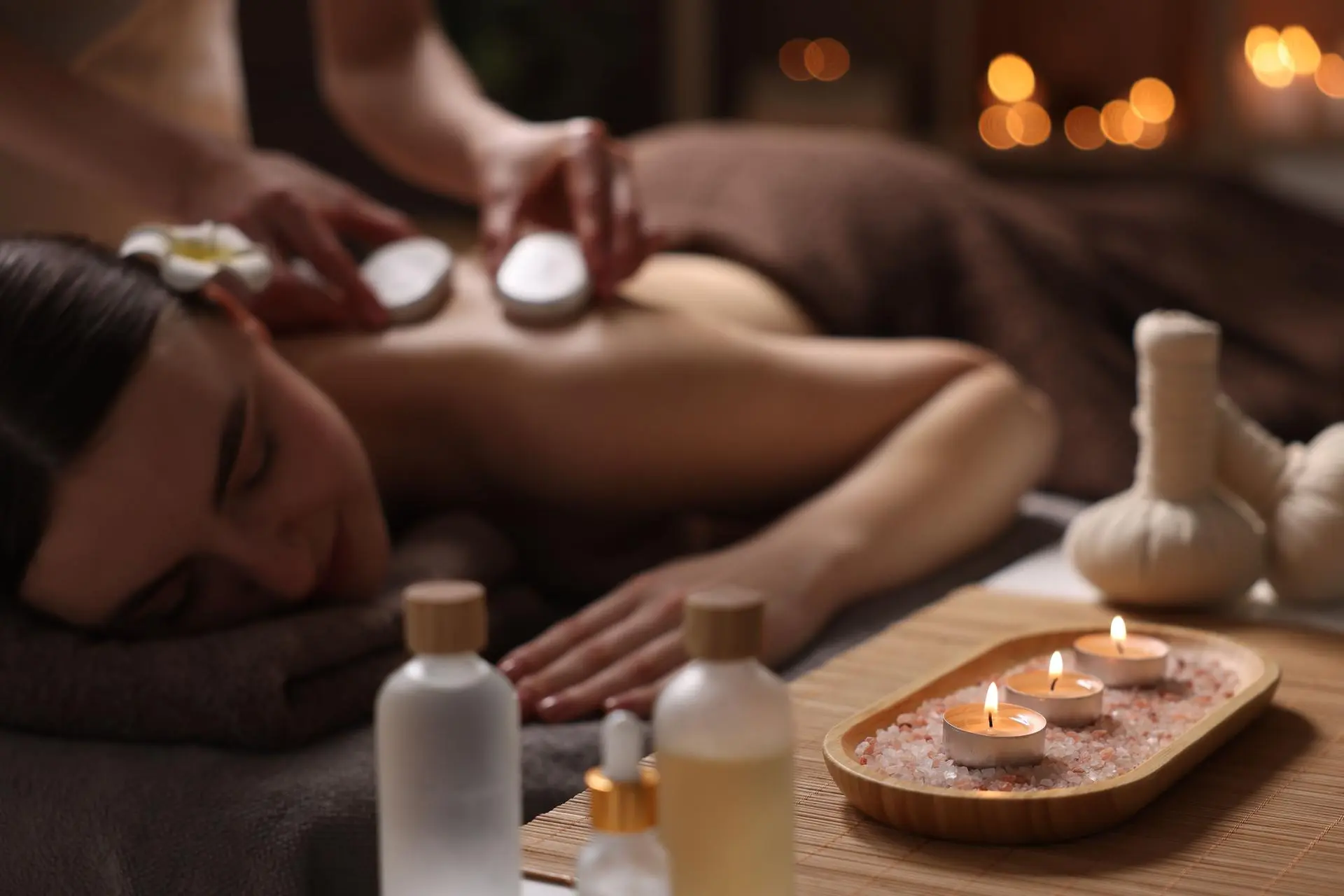
Ecocert Sustainable Wellbeing Center certification for spas and wellness centres

What Is the Sustainable Wellbeing Center, and Who Is It For?

The Sustainable Wellbeing Center is a label and certification for spa and wellness establishments seeking to elevate their sustainability operations across all dimensions. Ecocert describes this standard as guiding businesses to consider both people and planet through responsible product selection, service delivery, equipment use, and internal system management.

Eligible establishments include hotel spas, day spas, thalassotherapy centers, hair salons, fitness centers, and wellness centers. Whether you operate a standalone spa, a hotel resort, or a multi-branch business, you can begin planning your path to certification within the scope of your own operations.

The Heart of the Standard: Making Sustainability Tangible Through Auditable Criteria

Ecocert has defined the core commitments of this label as a practical framework built around 4 key dimensions:

  1. Responsible management of natural resources
  2. Choosing natural, organic, eco-friendly, or certified recycled products, such as cosmetics, hair care products, textiles, and detergents, with supporting certification evidence; this applies particularly to natural and organic products used in spa treatments
  3. Using equipment and materials with a reduced environmental footprint, including recycled materials or alternatives that lower overall impact
  4. Practices that genuinely respect and consider employees as key stakeholders in the business

In practical terms, this standard functions as a management framework that makes sustainability measurable, auditable, and usable as a foundation for internationally recognized spa certification.

Ecocert Sustainable Wellbeing Center certification for spas and wellness centres

What Auditors Actually Look For in Spa Businesses: 3 Core Areas to Prepare Documentation For in Advance

Drawing from the world’s first certified case referenced by Ecocert (Spa L’Occitane en Provence), audit assessments tend to focus on 3 core areas:

  1. The use of certified natural or organic products
  2. Social and workplace welfare criteria, including employee care and appropriate management practices
  3. Reduction of environmental impact from day-to-day operations

For Thai operators, the most effective approach is to define the scope clearly at the outset, covering which areas and services are included, such as treatment rooms, linens, laundry systems, consumables, water, and energy. From there, preparing a comprehensive and consistent evidence checklist for each area helps minimize revision rounds during the assessment.

International Standards as a Long-Term System: Ongoing Monitoring and Continuous Improvement

This type of certification is not designed as a one-time documentation exercise. It is built on a philosophy of continuous long-term improvement. Ecocert stipulates annual audits to confirm that sustainability practices are being maintained consistently, with goals and plans reviewed and adjusted on an ongoing basis.

In practice, setting up the right systems from the beginning, including standard operating procedures (SOPs), team training, and systematic evidence collection, makes subsequent audit rounds considerably more straightforward and cost-controllable. This approach eliminates the need to retrieve documentation retrospectively and reduces repeated rework across cycles.

Communicating Through Evidence: Data Points That Support the Business Case for Certification

For businesses that want to communicate with the market without the risk of overclaiming, the safest approach is to ground all messaging in verifiable data, drawn from both industry-level and certification-level sources. For example, the Global Wellness Institute estimates the global wellness economy at USD 6.8 trillion in 2024, and Ecocert notes that the network of Sustainable Wellbeing Center certified or in-progress establishments is expanding, with approximately a dozen spas and salons represented across multiple regions worldwide.

Data of this kind supports the business rationale that sustainability standards are increasingly influencing customer decisions, hotel partner selection, and rankings on online travel agency (OTA) platforms.

The Certification Process and TIBD’s Role: Certification Body vs. Project Coordinator

It is important to clarify who does what in this process. The party responsible for conducting the audit and determining the certification outcome remains an independent Certification Body, such as Ecocert. TIBD acts as project coordinator and consultant, helping establishments prepare to meet the criteria, reduce revision rounds, and keep the timeline on track. The scope of work typically includes:

  • Defining the certification scope clearly across branches, areas, and services
  • Conducting a gap assessment against the Sustainable Wellbeing Center criteria
  • Preparing documentation sets and supporting evidence covering products, laundry and cleaning systems, water, energy, waste, procurement, and personnel management
  • Preparing the team to respond to auditors in a manner consistent with the documentation
  • Coordinating with international bodies using a unified information set to minimize discrepancies
  • Planning and preparing for the Ecocert audit in a structured, step-by-step manner

The aim is not only to help the establishment pass the audit, but to put in place a system that remains genuinely usable going forward. This covers TIBD’s advisory roles as a spa standards consultant, sustainability standards consultant, and international standards consultant, calibrated to the scope of each business.

Ecocert Sustainable Wellbeing Center certification for spas and wellness centres

Who This Is For, and When to Start for Better Budget and Timeline Control

This service is best suited to 4 main groups of operators:

  • Hotel spas looking to raise their credibility to an internationally recognized standard
  • Wellness centers offering multiple services and seeking a genuinely auditable operational framework, consistent with Wellness Center Certification and recognized wellness standards
  • Businesses planning multi-branch expansion that need a common standard to maintain consistent quality across all locations
  • Those who want to communicate about sustainable spa practices backed by verifiable evidence rather than relying on marketing language alone

The most cost-effective time to start is before major investments: before renovating service areas, before changing laundry systems, before switching ingredient suppliers or partners, or while in the process of creating or revising standard operating procedures (SOPs). Starting early ensures that investment decisions align with certification criteria from the outset, reducing rework and giving better control over both budget and timeline compared to beginning close to the audit date.

Standards That Make Operations Auditable and Build Real, Lasting Credibility

The foundation of the Sustainable Wellbeing Center standard is making sustainability measurable, auditable, and maintainable through documented evidence of resource use, product selection, materials, and personnel management. From a business standpoint, achieving this standard reduces communication risk, builds confidence with customers and partners, and gives the team a consistent shared framework to operate within over the long term.

Begin with a Structured Readiness Assessment Tailored to Your Business

If you are a spa owner, hotel operator, or Wellness Center looking to prepare for the Sustainable Wellbeing Center audit, TIBD is ready to support you. The most effective approach is to begin with a gap assessment, establish documentation and evidence systems aligned with the criteria, and sequence improvements in the right order, so your business enters the actual audit with confidence. [Contact TIBD]

Apply for Ecocert Sustainable Wellbeing Center Certification Service for Spa and Wellness Businesses (SPA / Wellness)

If you have any questions or would like to receive a free consultation regarding Ecocert Sustainable Wellbeing Center Certification Service for Spa and Wellness Businesses (SPA / Wellness), or if you would like to visit us in person in Bangkok, Thailand, you are warmly welcomed and feel free to contact us via the contact form below.

  • This field is for validation purposes and should be left unchanged.