Description

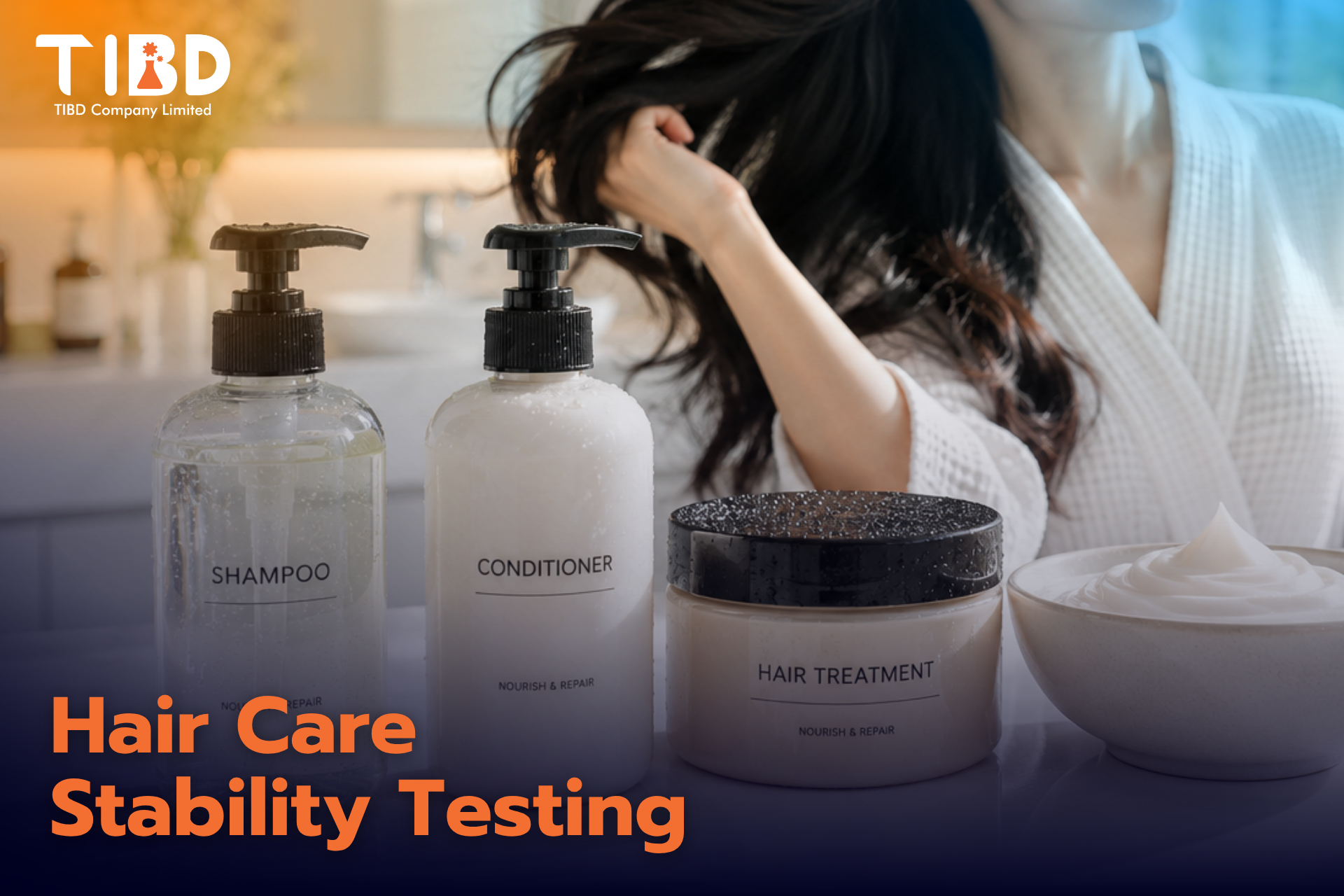
Hair Care products, including shampoo, conditioner, hair treatment, hair serum, hair oil, hair spray, and styling foam, represent one of the largest cosmetic product categories in Thailand and ASEAN. Brand Owners, OEM manufacturers, and Indie Cosmetic Startups in this category must prepare complete stability data before filing a Cosmetic Notification with the Food and Drug Administration (FDA).

The core challenge for hair care products in the hot and humid ASEAN Zone IVb climate is that all products are water-based, making them susceptible to microbial growth, preservative system degradation, and surfactant changes that reduce Foam Height over time.

TIBD’s service is designed specifically for all hair care product formats. It covers evaluation of pH, viscosity, foam height, sensory assessment, microbiological testing per ISO 17516, and Preservative Efficacy Testing (PET) per ISO 11930, all conducted under ASEAN Zone IVb conditions in partnership with VISBIO as an Independent Quality Assurance Verifier (IQAV).
Hair Care Products in the Thai Cosmetics Market

Hair care products are divided into subgroups with distinct chemical structures and usage behaviors.

  • Shampoo is a hair and scalp cleansing product whose primary ingredients include Anionic Surfactants such as Sodium Lauryl Sulfate (SLS) and Sodium Laureth Sulfate (SLES), or milder alternatives such as Decyl Glucoside and Sodium Cocoyl Isethionate, along with a preservative system and conditioning agents.
  • Conditioner is an after-shampoo product for hair nourishment. Primary ingredients include Cationic Surfactants such as Behentrimonium Chloride or Cetrimonium Chloride, emollient agents (Silicone, Fatty Alcohol), and a preservative system.
  • Hair Treatment (Hair Mask) is an intensive nourishing product used occasionally. Ingredients include Protein Hydrolysates, nourishing oils, antioxidants, and a more concentrated Conditioning system.
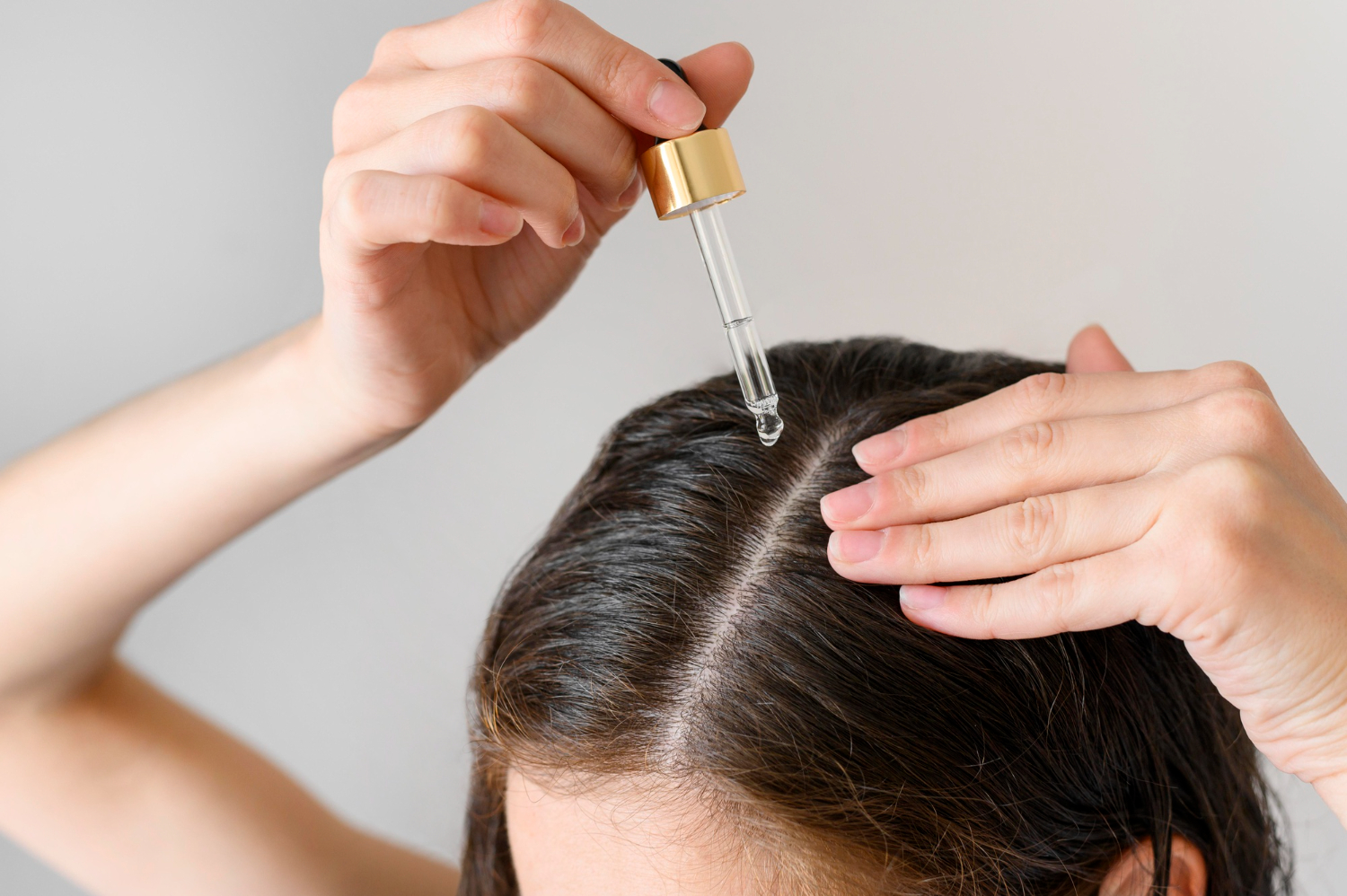
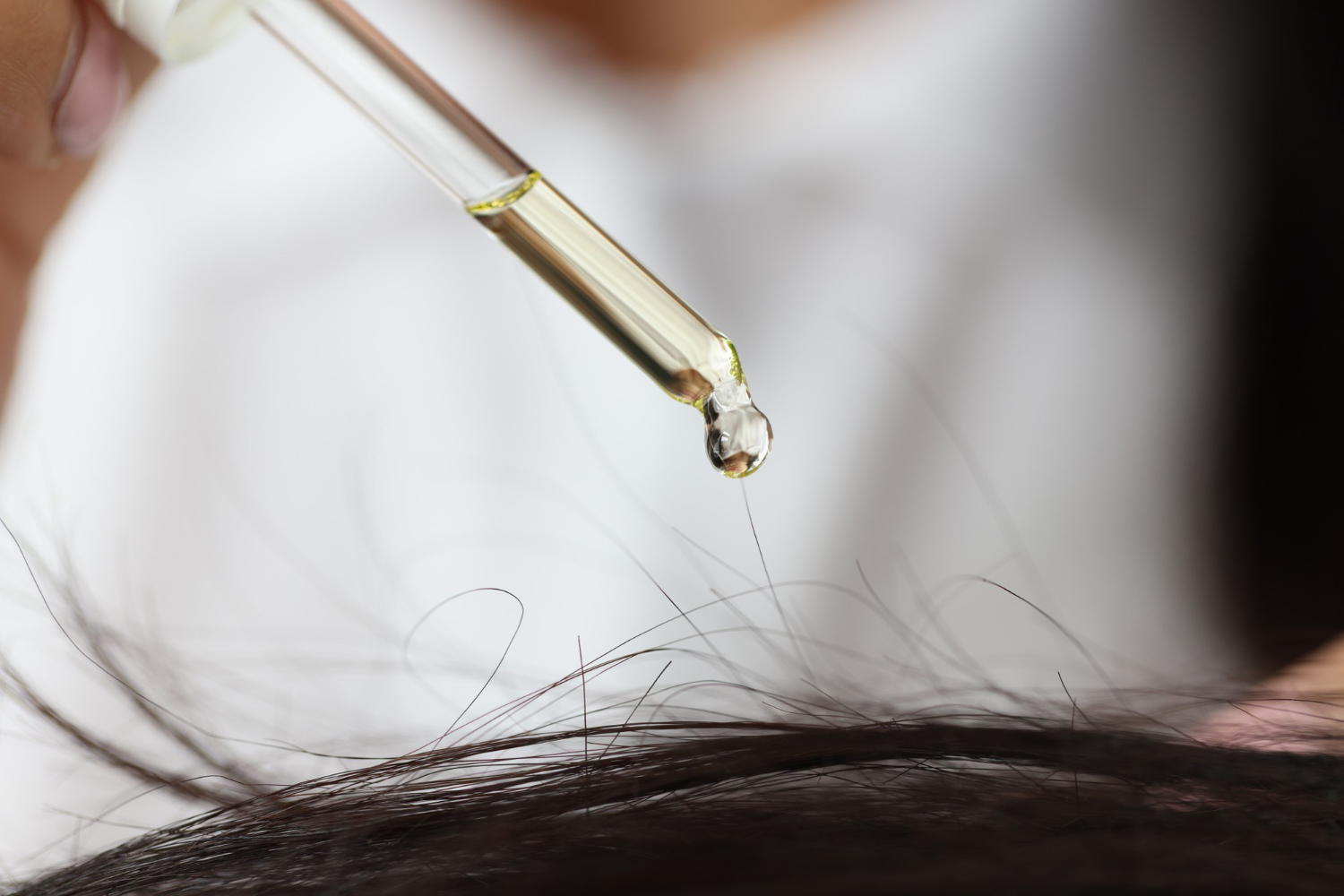
  • Hair serum, hair oil, and hair spray are additional products for nourishing hair ends, styling, or providing heat protection from blow dryers.
Stability testing for shampoos, conditioners and hair treatments

Product-Specific Challenges for Shampoo, Conditioner, and Treatment

Each product subgroup has specific stability testing challenges.

  • Shampoo faces Surfactant Stability challenges. Anionic Surfactants can degrade or become destabilized at pH values that are too high or too low. A decline in Foam Height over time indicates deterioration of the Surfactant system. Clarity is also a parameter consumers pay close attention to.
  • Conditioner faces challenges of Phase Separation in the emulsion system and viscosity changes, as conditioner is a Cationic Emulsion system that is sensitive to pH.
  • Hair Treatment with high protein content faces challenges of Protein Denaturation, which can occur at elevated temperatures, reducing nourishing efficacy.
  • Hair serum and hair oil products where oil is the primary ingredient face challenges of increasing Peroxide Value from oxidation reactions.

Testing Parameters: pH, Viscosity, Foam Height, Surfactant

TIBD’s protocols cover parameters specifically designed for hair care products.

  • pH must remain stable within ±0.5 units. For standard shampoo the target range is pH 5.5-7.0; for conditioner the range is pH 3.5-5.0 (Acidic) to keep hair cuticles closed. Significant pH change affects both performance and potential for irritation.
  • Viscosity for shampoo should stay within ±15% of the initial value. For thicker conditioners and treatments the acceptable range may be ±20%.
  • Foam Height for shampoo is measured using the Ross-Miles Foam Test at specified temperature and concentration. A decline of more than 20% indicates Surfactant system degradation.
  • Clarity for clear shampoo is measured using a Turbidimeter or Spectrophotometer. An increase in Turbidity indicates separation of components.
  • Sensory Evaluation covers color, odor, texture, and feel on skin, compared against the initial reference sample.
  • Peroxide Value is measured for oil-containing products.
  • Microbiological testing per ISO 17516 and Preservative Efficacy Test (PET) per ISO 11930 are performed.
  • Conductivity for shampoo and conditioner is used to indicate Surfactant and Electrolyte concentration. A change exceeding 10% indicates a stability issue.
  • Foam Quality covering foam density, uniformity, and persistence is assessed. For Sulfate-Free shampoos using Sarcosinate or Glucoside Surfactants, foam volume may be lower than with SLS-based shampoo, but it must remain consistent throughout the shelf life.

Preservative System Analysis and Microbiological Assessment

Hair care products with water as the primary ingredient are susceptible to microbial contamination throughout shelf life and during use. Preservative system assessment is therefore a critical requirement.

  • Quantification of preservatives such as Phenoxyethanol, Sodium Benzoate, and Potassium Sorbate by HPLC at each pull point confirms that concentrations remain within design specifications.
  • PET per ISO 11930 is performed at the initial time point (T0) and at pull points following stability testing, to confirm the preservative system remains effective throughout shelf life. Most hair care products are expected to meet Criteria A since they are Rinse-Off products, which carry lower risk than leave-on products.
  • Microbiological assessment per ISO 17516 covers Total Microbial Count, Yeast and Mold Count, and absence of specified pathogens.
  • For conditioner products containing Cationic Surfactants, evaluating compatibility between the preservative and the Surfactant is a critical requirement. Cationic Surfactants can neutralize anionic preservatives such as Sodium Benzoate, reducing preservative system efficacy.

Testing Conditions and Sampling Schedule

Protocols use conditions per ICH Q1A(R2) for ASEAN Zone IVb.

Long-term Stability is conducted at 30°C / 75% RH for a minimum of 12 months. Accelerated Stability is conducted at 40°C / 75% RH for 6 months. Cycling Test between 4°C and 45°C for 6-12 cycles is applied for emulsion-based products.

Standard pull points are at months 0, 3, 6, 9, 12, 18, and 24 for long-term studies, and months 0, 1, 2, 3, and 6 for accelerated studies.

For Hair Treatments with Heat-Activated Ingredients such as Keratin Treatment designed to activate under blow dryer heat, assessment of active ingredient stability at room temperature and under real-use conditions (160-180°C) is an additional protocol requirement.

Cosmetic Registration and Export

Hair care products must file a Cosmetic Notification with Thailand’s FDA under the Cosmetics Act B.E. 2558 (2015), and in ASEAN countries under the ASEAN Cosmetic Directive.

The Product Information File (PIF) must include 6-month accelerated data, long-term data for at least 6-12 months, microbiological testing data per ISO 17516, PET data per ISO 11930, and safety data for all ingredients.

For exports to the European Union market, hair care products containing ingredients on the Cosmetic Regulation Restriction List, such as CMR Substances, require rigorous assessment with complete safety documentation.

Stability testing for shampoos, conditioners and hair treatments

Hair Care Product Trends and Specialty Formulation Development

The hair care market in Southeast Asia is growing in Sulfate-Free, Silicone-Free, and Color-Safe Shampoo categories that appeal to ingredient-conscious consumers. These products present challenges in developing foam stability, cleansing efficacy, and post-use feel.

Hair Treatment development for tropical humid climates must account for hair damage from sun exposure, high humidity, and pollution. Formulation design incorporating UV Filters, Antioxidants, and hair repair agents requires stability testing of each component under Zone IVb conditions.

Hair care efficacy evaluation uses In-vivo and In-vitro methods covering measurement of hair thickness, shine, styling performance, and reduction of hair breakage. These tests complement stability data to confirm the product continues to deliver on its claims throughout the shelf life.

Case Study: Sulfate-Free Shampoo Development for Tropical Humid Markets

Developing Sulfate-Free shampoo for Thai and ASEAN markets presents specific challenges. Replacement Surfactants such as Sodium Cocoyl Isethionate, Sodium Lauroyl Methyl Isethionate, and Decyl Glucoside produce softer foam than SLS and must be used at higher concentrations to achieve equivalent cleansing performance. Designing a Surfactant Blend system that combines multiple types helps balance Cleansing, Foaming, Mildness, and Cost.

The Conditioning system in Sulfate-Free shampoo typically uses Cationic Polymers such as Polyquaternium-10 and Polyquaternium-7 for Anti-static and Smoothing performance. Long-term stability of the Conditioning system is a critical requirement, as Cationic Polymers may precipitate or deform in systems with unsuitable pH.

Hair Performance evaluation covers measurement of Hair Combability, Hair Smoothness, and Hair Shine before and after use. These tests complement stability data to confirm the product continues to deliver on its claims throughout shelf life.

VISBIO’s Role as an Independent Quality Assurance Verifier (IQAV)

VISBIO, acting as an Independent Quality Assurance Verifier (IQAV), performs pH analysis, viscosity, Foam Height, preservative quantification, microbiological testing, and PET, using Validated Methods per ICH Q2(R1) with full traceability documentation at every step and operations conducted under ISO/IEC 17025 standards.

TIBD Team Expertise

The hair care product stability testing service is conducted in partnership with Dr. Wuttipong Panitsettakorn, Advisor and Co-Founder, who specializes in commercial technology management for the health and beauty industry, and Ms. Mandhamon Uttamo, Advanced Formulator, with experience in shampoo, conditioner, and hair treatment formulation development. Our team includes researchers specializing in Surfactant Chemistry, Hair Care Formulation, and Cosmetic Microbiology.

Is your hair care brand ready to file a Cosmetic Notification? Contact TIBD for a customized protocol designed for your product format.

References

Apply for Hair Care Stability Testing Service: Shampoo, Conditioner and Hair Treatment

If you have any questions or would like to receive a free consultation regarding Hair Care Stability Testing Service: Shampoo, Conditioner and Hair Treatment, or if you would like to visit us in person in Bangkok, Thailand, you are warmly welcomed and feel free to contact us via the contact form below.

  • This field is for validation purposes and should be left unchanged.