Description

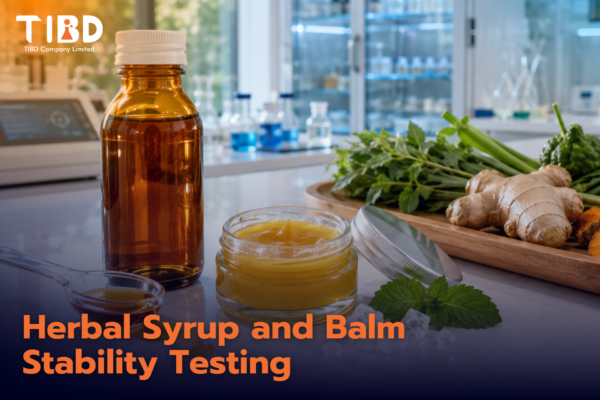
Thai herbal products in the form of Herbal Syrup and Herbal Balm are well-established formats in Thai traditional medicine and alternative health practices. Herbal syrups are used for treating coughs, relieving throat discomfort, and supporting general health, while herbal balms are used for relieving muscle aches, insect bites, and respiratory symptoms.

The two formats present entirely different stability challenges. Herbal syrup is a water-based system susceptible to microbial growth and preservative system degradation, while herbal balm is an oil-wax matrix system with a melting point and volatile content that must remain stable. TIBD’s service is specifically designed for both formats, conducted under ASEAN Zone IVb conditions and in accordance with the Thai Herbal Pharmacopoeia 2021 (THP 2021), in collaboration with VISBIO, an Independent Quality Assurance Verifier (IQAV).
Herbal Syrup and Balm in the Thai Herbal Product Market

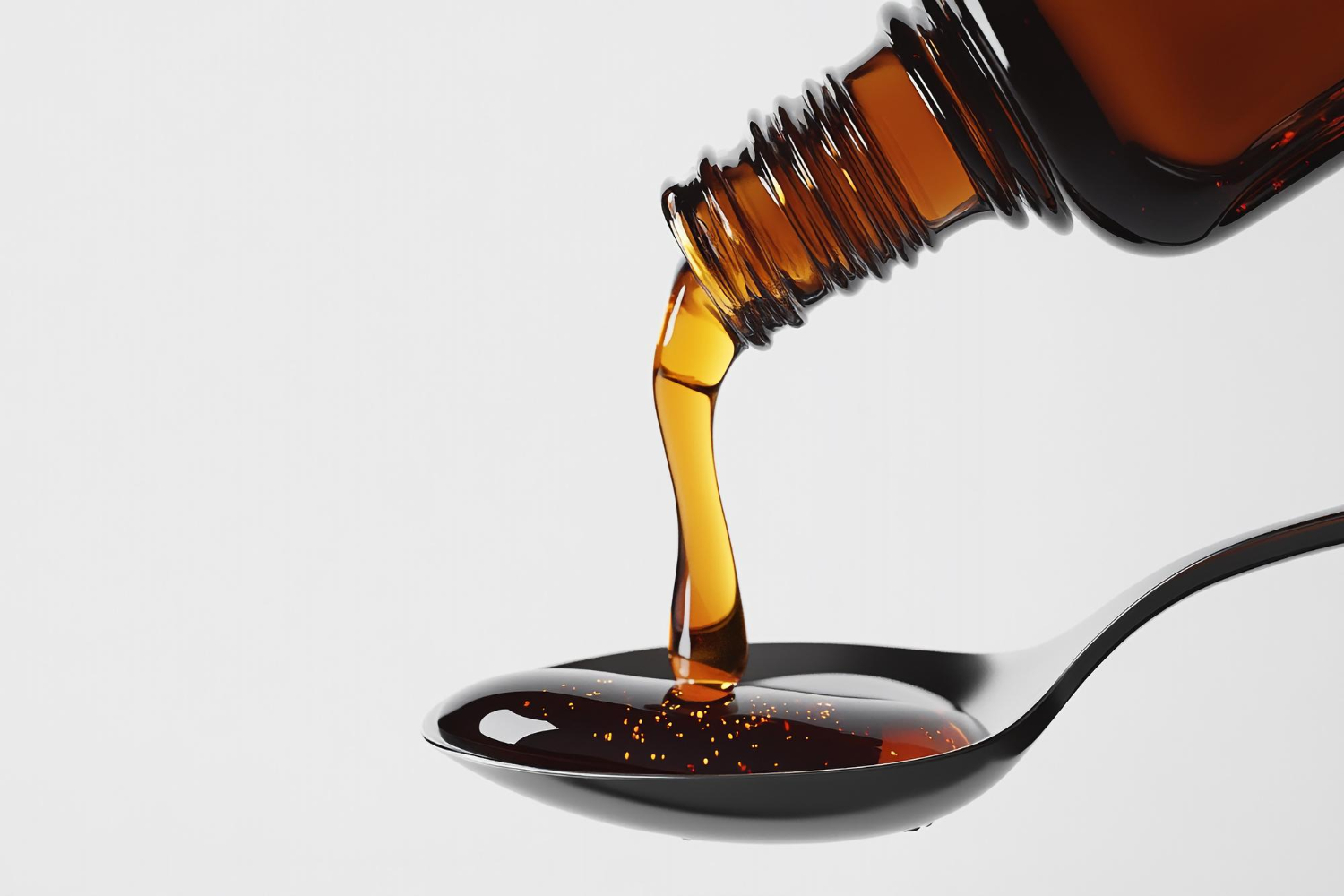
Herbal Syrup is an oral liquid product using syrup or water as the base, containing herbal extracts formulated to treat coughs, soothe throat discomfort, support general health, and serve as a Thai herbal dietary supplement. Examples include turmeric syrup, ginger syrup, and solanum syrup. Key components include herbal extracts, sugar syrup, flavoring agents, and a preservative system.

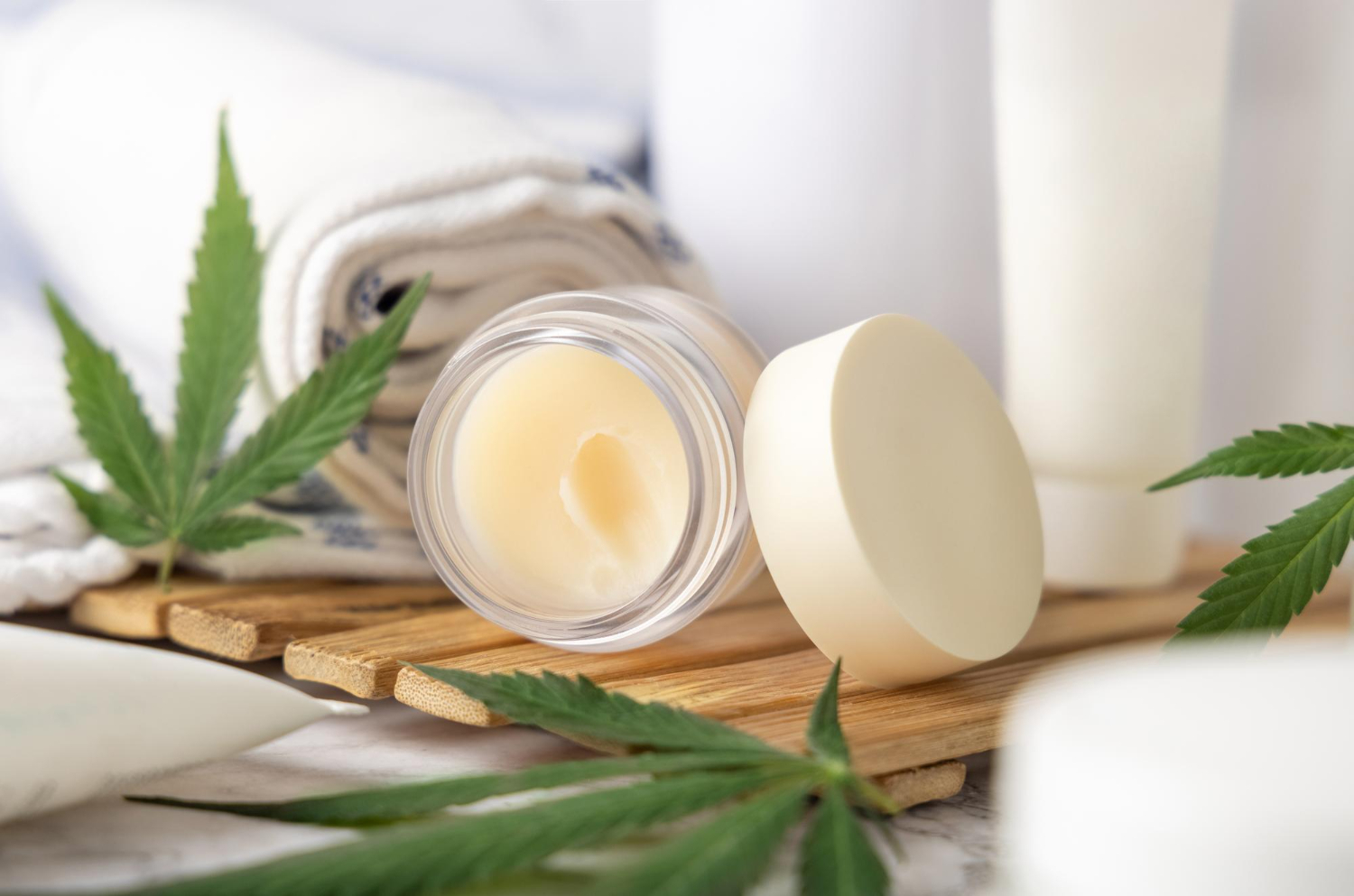
Herbal Balm is a topical product in an oil-wax matrix system composed of plant oils, wax, and volatile herbal compounds such as borneol, menthol, camphor, and essential oils derived from Thai herbs. It is used for relieving muscle aches, insect bites, and respiratory symptoms.

The target market spans both domestic sales and export, particularly to ASEAN, Japan, and the Middle East, where international consumers are increasingly embracing Thai traditional medicine wisdom.

Stability testing for herbal syrups and herbal balms

Specific Challenges of Liquid Systems and Oil-Wax Matrix Systems

Herbal syrup and herbal balm face fundamentally different stability challenges due to their different physical systems.

Herbal syrup faces challenges related to microbial growth. The preservative system must pass Preservative Efficacy Testing (PET) and maintain its effectiveness throughout the shelf life. Active compound degradation proceeds faster in aqueous systems than in dry systems, and Curcuminoids in particular have poor water solubility and may precipitate over time. Changes in pH can accelerate degradation of active compounds and alter taste.

Herbal balm faces challenges related to the melting point of the oil-wax matrix. If the melting point is too low, the product may liquefy in hot conditions; if it is too high, it will be too hard to apply. Loss of volatile herbal compounds such as borneol, menthol, and camphor is a specific challenge that must be measured by GC-MS Headspace analysis. Acid Value and Peroxide Value indicate degradation of the base oils.

An additional challenge for herbal syrup is the precipitation of extracts high in Tannin or Saponin content. When pH shifts during storage, precipitation can occur, requiring consumers to shake before use and potentially affecting the dose delivered per serving. Sediment Volume Testing is an important parameter for evaluating this.

Herbal balm faces the risk of wax-oil separation when cooling during manufacturing is uneven, or when the melting points of the wax and oil components are too close. This can result in oil droplets appearing on the surface (sweating) under high-temperature conditions.

Testing Parameters Specific to Herbal Syrup and Balm

TIBD’s protocol covers parameters specifically designed for each product type.

For herbal syrup, testing covers: Marker Compound content of the herbal extract by HPLC; pH, which must remain stable within ±0.5 units; clarity; sediment volume; viscosity for thick syrups; sensory evaluation of taste and odor; microbiological testing; and PET per ISO 11930.

For herbal balm, testing covers: melting point measured by Capillary Tube or Differential Scanning Calorimetry (DSC); volatile compound content by GC-MS Headspace; Marker Compound content of the herbal extract; net weight; peroxide value for oils susceptible to oxidation; and visual assessment of appearance, color, odor, and texture.

Both formats must pass microbiological evaluation in accordance with the Thai Herbal Pharmacopoeia 2021 (THP 2021).

Marker Compound Analysis and Microbiological Assessment

Marker Compound analysis uses HPLC for non-volatile compounds such as Curcuminoids in turmeric syrup and Andrographolide in Andrographis syrup, and GC-MS for volatile compounds in herbal balm such as Camphor, Menthol, Borneol, and Eucalyptol.

TLC/HPTLC Fingerprinting analysis is performed as a complementary assessment to capture the overall chemical profile. The Similarity Index between T0 and Tx must not fall below 0.95.

Microbiological assessment per THP 2021 requires that herbal products contain no more than 100,000 CFU/g for Aerobic Mesophilic Bacteria and no more than 100 CFU/g for Yeast and Mold, with no detection of specified pathogenic microorganisms.

For water-based herbal syrups, PET per ISO 11930 is a critical requirement conducted at T0 and at designated post-stability sampling timepoints.

Testing Conditions and Sampling Schedule

The protocol follows ICH Q1A(R2) conditions for ASEAN Zone IVb.

Long-term stability testing is conducted at 30°C / 75% RH for a minimum of 12 months. Accelerated stability testing is conducted at 40°C / 75% RH for 6 months. For herbal balm with a melting point that may fall below 40°C, the accelerated condition may be adjusted to 35°C / 75% RH, or a Cycling Test between 4°C and 40°C may be added.

Standard sampling timepoints are months 0, 3, 6, 9, 12, 18, and 24 for long-term testing, and months 0, 1, 2, 3, and 6 for accelerated testing. For herbal balm containing volatile compounds, additional monthly sampling timepoints are added for the first six months.

For herbal balm packaged in metal tins, the integrity of the internal coating layer must be assessed, along with examination for corrosion that may result from a reaction between the oils and the metal. The presence of iron or copper traces in the product is a signal that the packaging system should be reconsidered.

Stability testing for herbal syrups and herbal balms

Thai FDA Registration and Export

Herbal syrup and balm products must be registered with the Thai FDA under the Herbal Product Act B.E. 2562. Required documentation includes identification and quality data for herbal raw materials, Marker Compound analysis, stability data per ICH Q1A(R2) covering at least 6 months for accelerated testing and 6 to 12 months for long-term testing, microbiological test results, and safety data.

For ASEAN export under the ASEAN Traditional Medicine Guidelines, stability data grounded in ASEAN Zone IVb conditions is accepted.

Formulation Development for Specific Markets

Developing herbal syrup and balm for specific markets, such as children, elderly consumers, or those with particular health conditions, requires attention to usage requirements and appropriate quality controls. Children’s syrups must have acceptable taste and be free from potentially allergenic ingredients. Balms for elderly consumers with sensitive skin require evaluation of the volatile compound concentration that could cause irritation.

Packaging Design for Export Markets

Packaging for herbal syrup and balm intended for export must meet both product protection and consumer communication needs. Amber glass bottles provide protection from light; metal tins convey a premium feel. Labels readable in multiple languages with complete information meeting the requirements of each target country are essential. Good packaging design adds product value and reduces regulatory risk.

The Opportunity for Thai Herbal Products in International Markets

Thai traditional medicine wisdom and herbal products are gaining recognition in international markets, particularly among consumers who are turning toward holistic health approaches. Having comprehensive scientific evidence grounded in Stability Data, Marker Compound Analysis, and TLC Fingerprinting is a powerful tool for building confidence with importers and international consumers.

In-Process Quality Control for Herbal Syrup and Balm

Commercial-scale herbal syrup production requires rigorous in-process quality control, including in-process checks of pH, Brix, clarity, and microbiological results prior to filling. A suitable Hot-fill or Aseptic Packaging system helps reduce the risk of microbial contamination.

Herbal balm production requires controlled temperature and time management during the melting and blending stages. Excessive heat causes volatile herbal compounds to dissipate. Appropriate cooling control ensures that the wax-oil system crystallizes uniformly and reduces the risk of sweating or blooming.

WHO Good Herbal Processing Practices (GHPP) is the international standard that Thai manufacturers should follow to ensure their products meet global quality expectations. It covers every stage from raw material harvesting and storage through extraction, manufacturing, and quality control.

Technical Risk Assessment Expertise

Technical risk assessment is a key component that TIBD incorporates when designing stability testing protocols. Failure Mode and Effects Analysis (FMEA) for each formulation helps identify points of accelerated degradation and design tests that detect early warning signals before commercial launch. This assessment covers chemical, physical, microbiological, and packaging-related risks.

Stability study planning based on Quality by Design (QbD) gives manufacturers comprehensive, actionable data for commercial decision-making. Defining Critical Quality Attributes (CQA) and Critical Process Parameters (CPP) from the development stage significantly reduces long-term risk.

VISBIO’s Role as the IQAV Data Verifier

VISBIO, as the Independent Quality Assurance Verifier (IQAV), conducts Marker Compound analysis, microbiological testing, PET, and physical assessment using validated analytical methods per ICH Q2(R1). All steps are supported by a full traceability documentation system and carried out in accordance with ISO/IEC 17025 standard practices.

TIBD Team Expertise

The herbal syrup and balm stability testing service is led in collaboration with Dr. Wuttipong Panitsettakorn, advisor and co-founder with expertise in commercial technology management for the health and beauty industry, and Khun Mantamon Uttamo, Senior Advanced Formulator with experience in developing Thai herbal syrup and balm formulations based on traditional Thai medicine recipes. Our team includes specialists who are researchers in Pharmacognosy, Essential Oil Chemistry, and Cosmetic Microbiology.

Is your herbal syrup or balm product ready for Thai FDA registration? Contact TIBD to receive a custom protocol design tailored to your product. Related resources are available in TIBD’s Thai Herbal Product Stability Testing service hub.

References

Apply for Stability Testing Service for Herbal Syrup and Herbal Balm (Herbal Syrup and Balm)

If you have any questions or would like to receive a free consultation regarding Stability Testing Service for Herbal Syrup and Herbal Balm (Herbal Syrup and Balm), or if you would like to visit us in person in Bangkok, Thailand, you are warmly welcomed and feel free to contact us via the contact form below.

  • This field is for validation purposes and should be left unchanged.