Description

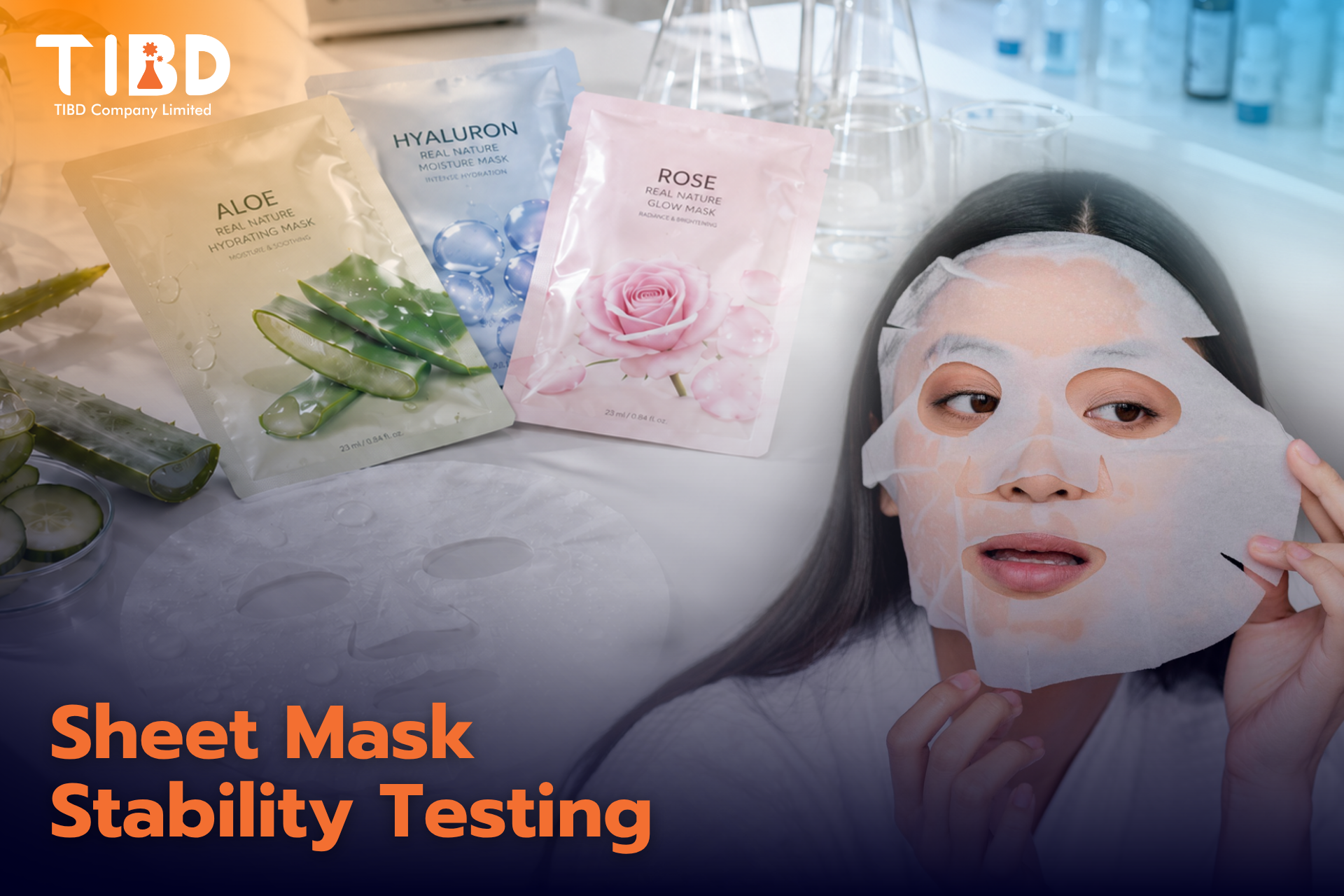
Sheet Masks, Hydrogel Masks, and Toner Masks are among the fastest-growing product categories in the Thai and ASEAN cosmetics market, driven by the convenience of single-use format, immediate visible results, and accessible price points that make premium skincare ingredients available to a wide consumer base.

The specific challenge of sheet masks lies in their two-component structure: the Mask Substrate made from Cotton, Microfiber, Bio-cellulose, or Hydrogel material, and the serum impregnated into the substrate. Both components must be stable together: the serum must not degrade, and the substrate must not become contaminated or dry out. Stability testing must address both the serum system and the substrate-serum interaction as an integrated product.

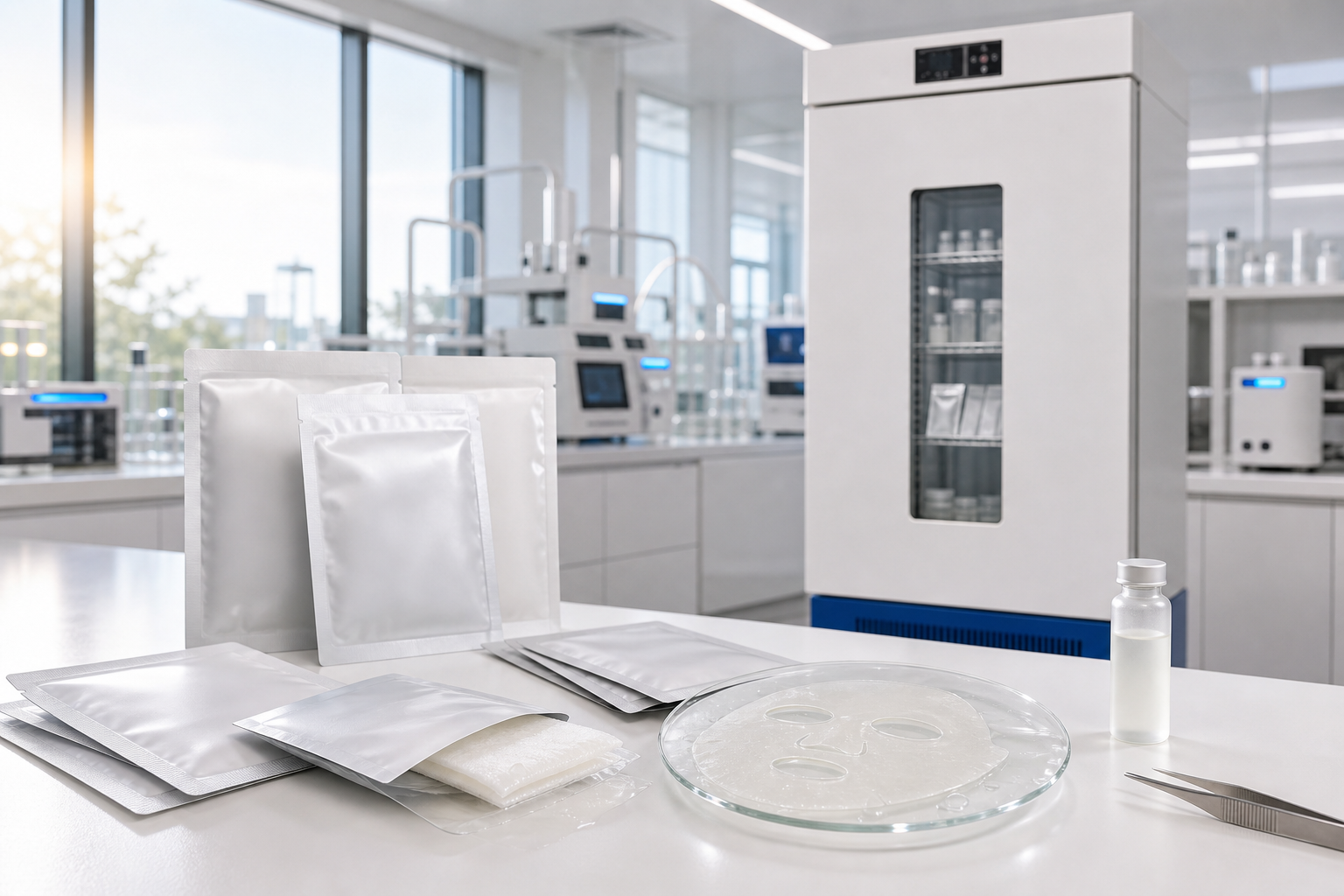
TIBD’s service is designed specifically for sheet masks and hydrogel masks, covering Net Fill Loss assessment of the serum, active ingredient distribution uniformity in the substrate, pH stability, microbiological testing, and packaging integrity evaluation under ASEAN Zone IVb conditions, in partnership with VISBIO as an Independent Quality Assurance Verifier (IQAV) using Validated Methods per ICH Q2(R1).
Sheet Masks and Hydrogel Masks in the Thai Cosmetics Market

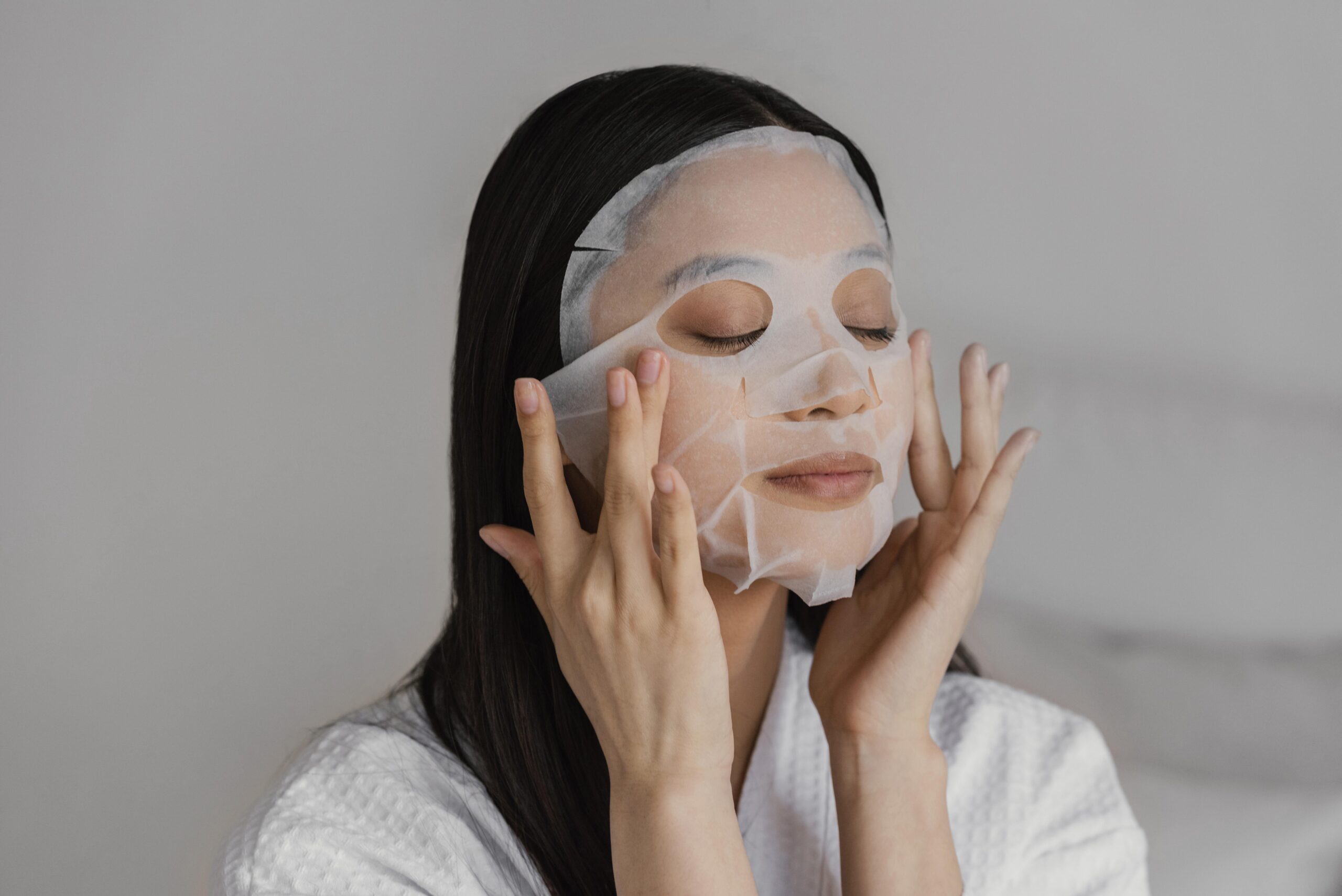
Products in this category are differentiated by substrate material and format type, each with distinct stability considerations.

  • Cotton Sheet Masks are the original format, using a Cotton fiber substrate. They are cost-effective and absorb serum well, but release serum to the skin relatively quickly. Their open-fiber structure is more susceptible to serum loss through evaporation if packaging integrity is compromised.
  • Microfiber Sheet Masks use finely woven synthetic microfiber that is thinner and more uniform than cotton. They conform better to facial contours and retain serum longer, delivering a more consistent application experience. The denser fiber structure means active ingredient distribution uniformity testing is particularly important.
  • Bio-cellulose Sheet Masks use cellulose produced by bacteria (Bacterial Cellulose) with nanoscale fiber structures that offer the highest skin conformity and superior active ingredient delivery. They are the premium format in the category, and their nanoscale fiber architecture means that Bio-cellulose stability, including substrate deformation at elevated temperatures, is a critical assessment parameter.
  • Hydrogel Masks use a cross-linked gel matrix rather than a fiber substrate, delivering a cooling and conforming experience suited to premium product positioning. The gel matrix is assessed differently from fiber substrates, with gel integrity, syneresis (water expulsion from the gel), and active ingredient release profile as key parameters.
  • Toner Masks are small cotton pads pre-saturated with toner, used as a substitute for applying toner with separate cotton pads. Their simpler substrate and lower active ingredient concentration make their stability protocol less complex than essence-loaded sheet masks, but Net Fill Loss and pH stability remain essential assessments.

Specific Stability Challenges of Sheet and Serum Systems

Five challenges distinguish sheet mask stability testing from standard cosmetic stability testing.

  1. The first is Net Fill Loss of the serum. Water vapor transmission through the packaging causes the serum volume in the substrate to decrease over time, leaving the substrate dry and unusable. Monitoring total package weight at each Pull Point is a mandatory assessment for all sheet mask formats.
  2. The second is active ingredient distribution within the substrate. Water-soluble actives may distribute non-uniformly within the substrate during manufacturing or may migrate toward packaging surfaces over storage. Consumers then receive inconsistent efficacy with each use. Distribution uniformity testing by sectioning the substrate and analyzing active content in each section is required for products with active ingredient claims.
  3. The third is long-term preservative system efficacy. Sheet masks sealed in individual sachets generally do not face new contamination during storage, but if the preservative system degrades over time, any Microflora present in the serum or introduced during manufacturing may proliferate. PET per ISO 11930 at the end of the declared shelf life is required.
  4. The fourth is physical changes to the substrate. Bio-cellulose substrates may shrink or deform at elevated temperatures, which can make the mask unusable or uncomfortable. Cotton substrates may develop discoloration if the serum contains oxidizable compounds such as Vitamin C. These changes must be assessed visually and by physical characterization at each Pull Point.
  5. The fifth is serum color and odor change. Serums containing Vitamin C may yellow progressively as oxidation proceeds, particularly if packaging integrity allows trace oxygen ingress. Serums containing oils or lipid-based emollients may develop a rancid odor from lipid oxidation over the long-term study period. CIELAB colorimetry and sensory assessment are included in TIBD’s protocol for these product types.
Stability testing for masks and sheet masks

Specific Testing Parameters for Sheet Masks and Hydrogel Masks

TIBD’s stability testing protocol for sheet masks covers parameters specific to the two-component product system.

  • Net Fill Loss is measured by weighing the complete sealed package (substrate plus serum plus packaging) at T0 (initial) and at each subsequent Pull Point. A decrease exceeding 5% of initial weight for Long-term Stability testing is considered a significant change indicating a packaging barrier failure.
  • Serum Content per Mask is measured by squeezing the serum from the substrate at each Pull Point and weighing it. The content must remain within the range specified in the Product Specification Sheet throughout the study period.
  • pH of the extracted serum must remain stable within plus or minus 0.5 units from the initial value. For Vitamin C formulations, pH must be maintained at 3.0 to 3.5 throughout the study.
  • Active Ingredient Assay by HPLC is performed on the extracted serum to confirm that active ingredient content remains Not Less Than 90% of the initial declared value.
  • Packaging Integrity is assessed by leak testing methods appropriate to the packaging type, and by Oxygen Transmission Rate (OTR) measurement for foil laminate sachets. Any evidence of package seal failure is grounds for immediate formula and packaging review.
  • Physical Substrate Assessment covers colour, elasticity, uniformity of serum impregnation, and substrate integrity. For Bio-cellulose, dimensional stability (size and shape retention) at elevated temperatures is additionally assessed.
  • Microbiological testing per ISO 17516 and Preservative Efficacy Testing (PET) per ISO 11930 are conducted on serum extracted from the substrate under conditions matching the final product formulation, including pH and preservative concentration.

Net Fill Loss Assessment and Active Ingredient Distribution

Net Fill Loss measurement follows a precise weighing protocol. Complete sealed sachets are weighed at T0, then stored under the specified test conditions and reweighed at each Pull Point. Net Fill Loss (%) is calculated as (W0 minus Wt) divided by W0 multiplied by 100, where W0 is initial weight and Wt is weight at time t.

  • Acceptance criteria for Net Fill Loss depend on packaging type and the declared shelf life. As a general reference, a maximum of 5% for Long-term Stability testing and a maximum of 10% for Accelerated Stability testing are commonly applied. Products exceeding these limits require packaging specification review, particularly OTR and MVTR barrier properties.
  • Active ingredient distribution uniformity in the substrate is assessed by cutting the substrate into 4 to 9 sections and analyzing active ingredient content in each section by HPLC. Uniformity of distribution should be within plus or minus 15% of the mean. Where non-uniformity is detected, the manufacturing process for serum impregnation requires adjustment.
  • For Bio-cellulose substrates, dimensional assessment at each Pull Point documents changes in substrate size and shape after storage at elevated temperatures. Tensile Strength measured by Texture Analyzer and Water Holding Capacity measured by weighing before and after water exposure are additional characterization parameters. A decrease in Water Holding Capacity indicates degradation of the cellulose fiber network structure.
  • For Hydrogel Masks, gel integrity assessment at each Pull Point includes visual examination for syneresis (separation of liquid from the gel matrix), surface tackiness evaluation, and gel hardness by Texture Analyzer.

Testing Conditions and Pull Point Schedule per ICH Q1A(R2)

Long-term Stability testing uses 30°C / 75% RH conditions per ASEAN Zone IVb for a minimum of 12 months. Accelerated Stability testing uses 40°C / 75% RH for 6 months. A Cycling Test between 4°C and 45°C for 6 to 12 cycles is conducted to evaluate the effect of temperature fluctuations during transport and distribution channel storage.

Standard Pull Points for Long-term testing are at months 0, 3, 6, 9, 12, 18, and 24. Standard Pull Points for Accelerated testing are at months 0, 1, 2, 3, and 6.

For sheet masks incorporating advanced active delivery systems such as Dissolving Microneedle Patches or Microneedle Array substrates, a specialized protocol is required. Microneedle structural integrity must be assessed at each Pull Point by Scanning Electron Microscopy (SEM), and dissolution behavior under use conditions must be verified to confirm that the delivery system functions as intended throughout the declared shelf life.

Thai FDA Cosmetic Notification and Export Requirements

Sheet masks and hydrogel masks submitted for Cosmetic Notification to the Thai FDA require a complete Product Information File (PIF) including stability data covering Net Fill Loss, active ingredient content, microbiological test results per ISO 17516, and PET per ISO 11930.

Under the ASEAN Cosmetic Directive framework, stability data tested in Thailand under Zone IVb conditions supports Cosmetic Notification submissions in Indonesia (BPOM), Malaysia (NPRA), Singapore (HSA), Vietnam (DAV), and the Philippines (FDA). ASEAN Zone IVb testing demonstrates that the product is stable under the most demanding climatic conditions in the region.

For export to the East Asian premium market, particularly South Korea and Japan which are the origin markets for the sheet mask category, stability data requirements are high and the competitive environment is intensive. Brand owners with comprehensive stability documentation from an independent IQAV are better positioned in negotiations with importers and distributors in these markets. For the Japanese market under the Pharmaceutical and Medical Device Act (PMD Act), stability data from multiple production batches may be required for products making specific efficacy claims.

For the European Union market, the Cosmetic Product Safety Report (CPSR) must include active ingredient stability data, packaging integrity evidence, and a microbiological safety assessment conducted by a certified Safety Assessor.

Sheet Mask Market Trends and Product Development

The sheet mask market in East Asia and ASEAN continues to grow in the Functional Mask segment, with product lines focused on Brightening, Anti-aging, Soothing, and Barrier Repair functions. Each functional category requires stability protocols designed around the specific active ingredients it contains. Vitamin C-loaded brightening masks require pH stability and oxidation assessment; retinol anti-aging masks require light-protection protocols; centella and ceramide soothing masks require assessment of botanical extract stability.

The development of Bio-cellulose sheet masks in Thailand using coconut water as the fermentation substrate for Bacterial Cellulose production is a genuine competitive advantage for Thai manufacturers in the premium export market. The Thai coconut agricultural base provides a consistent, scalable supply of fermentation feedstock at a cost structure that is competitive with Korean and Japanese Bio-cellulose manufacturers. Stability testing of these products under Zone IVb conditions is a prerequisite for launching into international premium markets in Asia and Europe.

Beyond product stability, Clinical Efficacy Testing with 20 to 30 volunteers is a key requirement for brands seeking to make health-related claims such as Brightening, Hydrating, or Firming. Clinical test data complements stability data to confirm that the product continues to deliver claimed effects throughout the shelf life, providing complete documentation for both regulatory submission and marketing communications.

Packaging Design for Sheet Masks

Sheet mask packaging design must balance product protection, barrier performance, and consumer opening convenience. The standard packaging format is an Aluminium Foil Laminate sachet (PET / Aluminium / PE construction), which provides maximum protection against oxygen, moisture, and light.

For products containing oxidation-sensitive active ingredients such as Vitamin C or Retinol, the Oxygen Transmission Rate (OTR) of the packaging must be less than 1 cc per m² per day, and the Moisture Vapor Transmission Rate (MVTR) must be less than 1 g per m² per day. These specifications must be verified by laboratory testing of the actual packaging material and confirmed by correlation with Net Fill Loss data from the stability study.

Sachet sealing integrity is assessed by Burst Test, Peel Strength Test, and Leak Test. Incomplete sealing that allows air or moisture ingress will be reflected in Net Fill Loss and active ingredient degradation data from the stability study. The correlation between packaging integrity data and stability data provides evidence for the root cause of any observed degradation.

Easy-tear Notch design that allows consumers to open sachets conveniently must be positioned and configured so that it does not compromise the Aluminium Foil barrier layer that is required for product protection. Transport resistance testing including Drop Test and Compression Test assesses packaging durability through the supply chain from manufacturer to consumer.

The technical risk assessment approach TIBD applies to sheet mask stability protocol design incorporates a Failure Mode and Effects Analysis (FMEA) specific to each product, identifying which failure modes are most likely given the formula, substrate, and packaging combination. A Quality by Design (QbD)-informed stability study design that establishes Critical Quality Attributes (CQA) and Critical Process Parameters (CPP) from the development stage reduces the risk of stability failure after commercial launch.

Stability testing for masks and sheet masks

VISBIO’s Role as an Independent Quality Assurance Verifier (IQAV)

The analytical credibility of sheet mask stability data depends on the independence of the testing laboratory. VISBIO, acting as an Independent Quality Assurance Verifier (IQAV), conducts Active Ingredient Assay by HPLC, Net Fill Loss measurement, Preservative Efficacy Testing per ISO 11930, and Microbial Limit Testing per ISO 17516 on samples collected at TIBD’s Pull Points, using Validated Methods per ICH Q2(R1) with full traceability documentation at every step and operations conducted under ISO/IEC 17025 standards.

For sheet mask products intended for export to markets requiring independent third-party evidence, having an IQAV-verified stability report strengthens the credibility of data submitted to regulatory authorities and presented to import partners.

TIBD Team Expertise

The Sheet Mask and Hydrogel Mask Stability Testing service is conducted in partnership with Dr. Wuttipong Panitsettakorn, Advisor and Co-Founder, who specializes in commercial technology management for the health and beauty industry, and Ms. Mandhamon Uttamo, Advanced Formulator, with experience in developing serum formulations for sheet masks and hydrogel mask systems. Our team includes researchers specializing in Active Ingredient Stability, Cosmetic Microbiology, and Packaging Engineering, and a network of researchers covering Bio-cellulose characterization, Texture Analysis, and Clinical Efficacy Testing for mask products.

Is your sheet mask brand ready for Cosmetic Notification submission or export to ASEAN and international markets? If you need stability data based on ICH Q1A(R2), Net Fill Loss assessment, Active Ingredient Assay, PET per ISO 11930, and Package Integrity evaluation for your sheet mask or hydrogel mask, contact TIBD for a customized protocol and starting price from ฿15,000.

References

Apply for Sheet Mask and Hydrogel Mask Stability Testing Service

If you have any questions or would like to receive a free consultation regarding Sheet Mask and Hydrogel Mask Stability Testing Service, or if you would like to visit us in person in Bangkok, Thailand, you are warmly welcomed and feel free to contact us via the contact form below.

  • This field is for validation purposes and should be left unchanged.