Description

Many cosmetic, skincare, and healthcare products containing water as a primary ingredient are susceptible to microbial growth throughout their shelf life and during use. Contamination by pathogenic microorganisms such as Pseudomonas aeruginosa, Staphylococcus aureus, Candida albicans, or Aspergillus brasiliensis not only spoils the product but can pose health risks to consumers. Having a preservative system (Preservative System) that is effective and stable over the long term is therefore a critical component of product development.

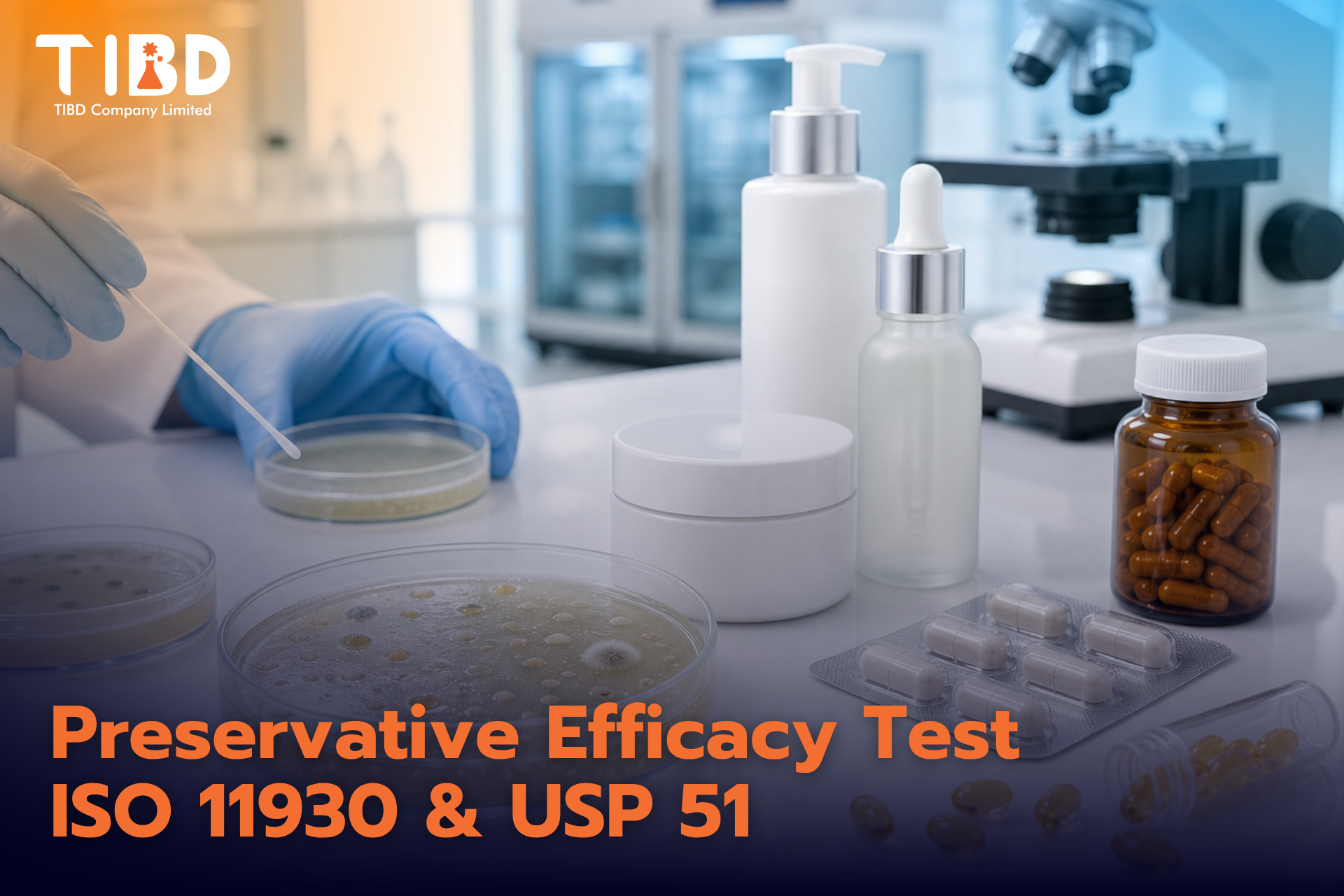
Preservative Efficacy Testing (PET) per international standards ISO 11930 and USP 51 is a required test for cosmetic products containing water, in which defined test microorganisms are intentionally introduced into the product, and the reduction in microbial count is monitored over specified time intervals.

TIBD’s PET service covers testing per ISO 11930 and USP 51, including 5 standard test organisms, microbial reduction analysis per Criteria A and Criteria B, and assessment at the initial and final time points of shelf life to confirm preservative system stability, in partnership with VISBIO as an Independent Quality Assurance Verifier (IQAV).
What is the Preservative Efficacy Test and Why is it Required?

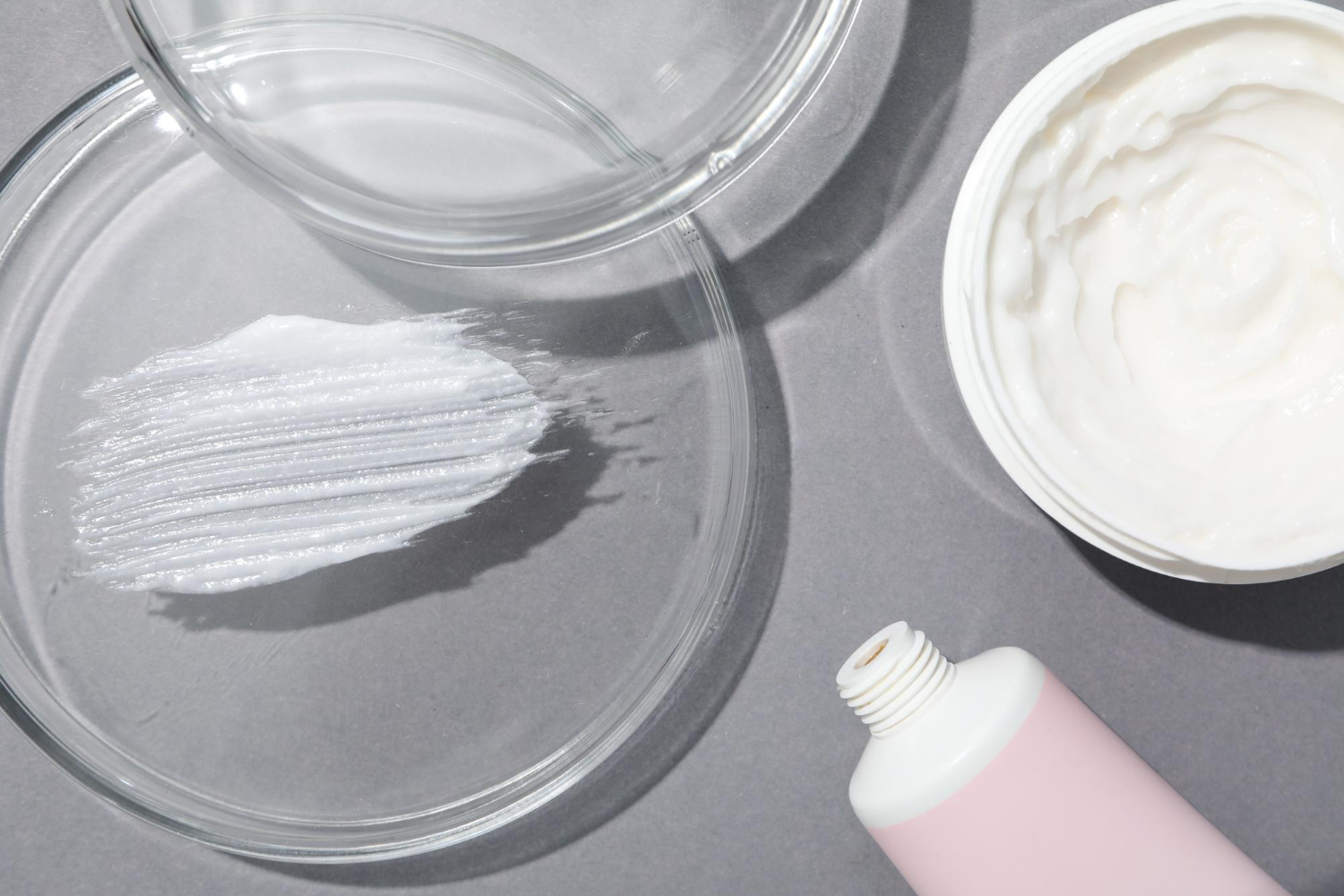
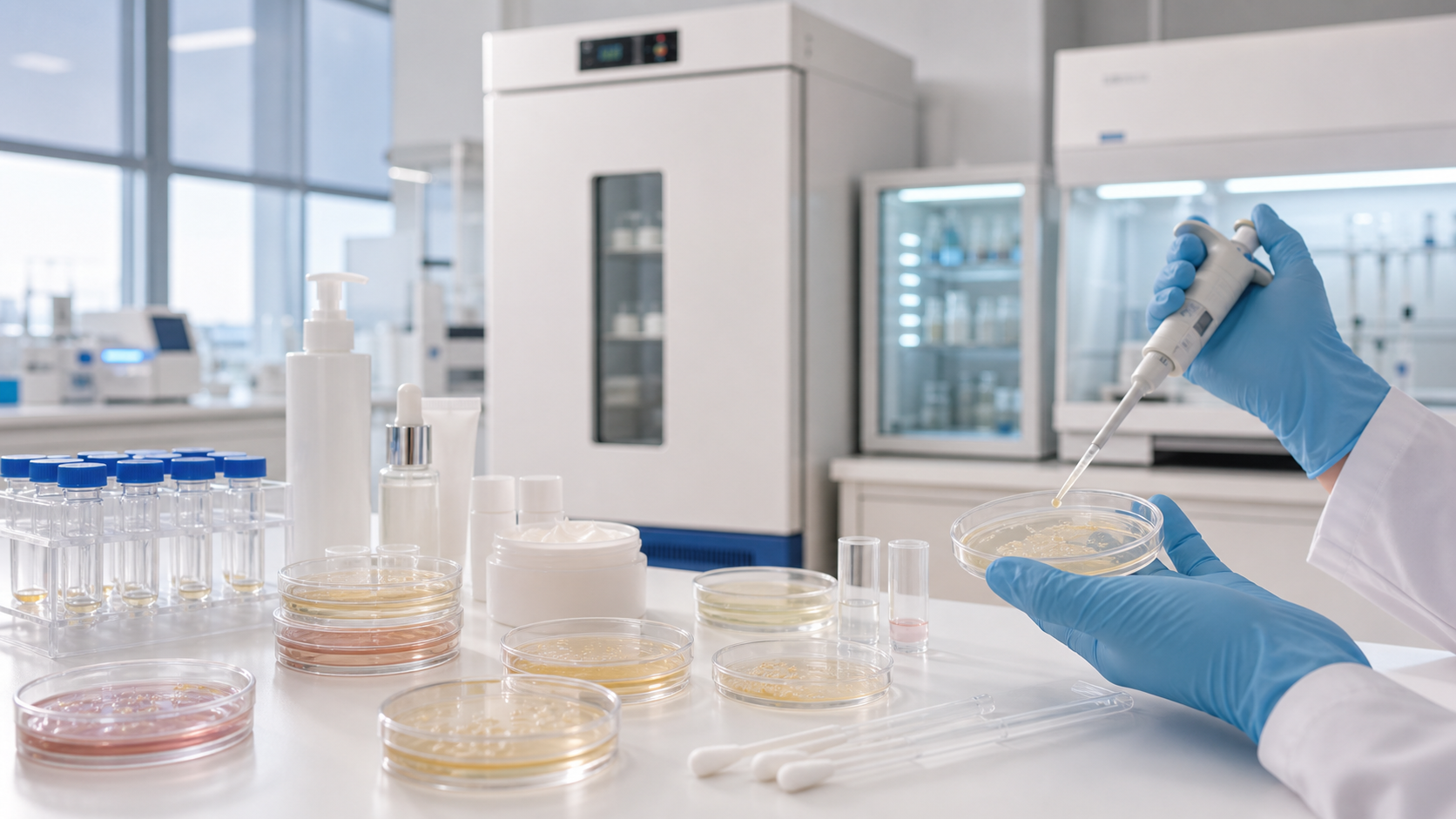
The Preservative Efficacy Test (PET) is a test of the ability of a product’s preservative system to inhibit the growth of microorganisms that may contaminate the product during manufacturing, storage, and use. The principle is to introduce test microorganisms into the product at a standard concentration, then monitor the reduction in microbial count over defined time intervals. Test results confirm whether the preservative system performs as designed.

There are three key reasons products require PET testing. The first is consumer safety: products with an inadequate preservative system risk contamination by pathogenic microorganisms that may cause irritation, infection, or in serious cases, harm to health. The second is regulatory compliance: the ASEAN Cosmetic Directive and the EU Cosmetic Regulation require PET data as mandatory information for water-containing cosmetics. The third is quality and credibility: products that pass PET have a lower likelihood of contamination issues in the market and do not require product recalls.

Preservative efficacy test (PET) according to ISO 11930 and USP 51

Differences between ISO 11930 and USP 51

Two primary PET standards are used in the market, each designed for different purposes.

ISO 11930:2019 is an international standard for cosmetics, used as the standard in the ASEAN market, European Union, Japan, and most of the world. It is designed specifically for evaluating preservative systems in cosmetics, with microbial reduction criteria designed to be consistent with real-world use.

USP 51 (United States Pharmacopeia General Chapter 51) is a standard for pharmaceutical products, used in the US market and for pharmaceutical products in other markets. It covers multi-dose pharmaceutical products containing water and has more stringent criteria than ISO 11930 because it applies to pharmaceutical products.

For products positioned between cosmetics and pharmaceuticals, such as cosmeceuticals and OTC sunscreen products in the United States, the choice of standard must be based on the requirements of the regulatory authority in the target market. TIBD conducts testing per both standards as specified by the client.

Standard Test Organisms and Criteria A vs Criteria B

ISO 11930 specifies 5 standard test organisms covering the primary microorganisms likely to contaminate cosmetics.

The bacterial group consists of Pseudomonas aeruginosa (ATCC 9027), a pathogenic bacterium that adapts well to preservatives; Staphylococcus aureus (ATCC 6538), which may contaminate from human skin; and Escherichia coli (ATCC 8739), which indicates environmental contamination.

The mold and yeast group consists of Candida albicans (ATCC 10231), a yeast pathogenic in humans; and Aspergillus brasiliensis (ATCC 16404), formerly known as Aspergillus niger, a mold commonly found in the environment.

ISO 11930 defines two levels of acceptance criteria: Criteria A and Criteria B. Criteria A is the more stringent standard, requiring bacteria to decrease by at least 3 log (99.9%) within 7 days with no increase between days 14 and 28, and molds and yeasts to decrease by at least 1 log (90%) within 14 days with no increase by day 28. Criteria B is the less stringent standard, requiring bacteria to decrease by at least 3 log within 14 days with no increase by day 28, and molds and yeasts to show a decrease and no increase.

Products passing Criteria A are considered to have a robust preservative system and can make claims in markets with stringent requirements. Products passing only Criteria B require additional risk assessment and may need to specify particular storage conditions.

Testing Protocol and Sample Preparation

TIBD’s protocol strictly follows ISO 11930, covering test organism preparation, sample inoculation, and microbial counting at specified time points.

Test organism preparation uses certified Stock Cultures (ATCC or equivalent) cultured in standard growth media, with cell count adjusted to a concentration of 10^7 CFU/mL as specified in the standard.

Sample inoculation is performed by introducing the test organisms into the product at a concentration of 10^5 to 10^6 CFU/g, mixing thoroughly, and storing at 22.5°C plus or minus 2.5°C.

Microbial counting is performed at the defined pull points. Per ISO 11930, pull points are at days 7, 14, and 28 for a 28-day study, with additional pull points at days 0 and 2 for in-depth studies. Counting uses the Plate Count method on selective growth media appropriate to each organism type. Results are calculated as CFU/g and compared against the initial count to determine Log Reduction.

Common Preservative Systems and Their Stability

Preservative systems in cosmetics and health products vary widely, each with different strengths and limitations.

The Paraben system (Methylparaben, Propylparaben, Butylparaben) has a long history of use with high efficacy and good stability. However, it is currently subject to safety concerns, and the EU and some Asian markets have introduced usage restrictions. Phenoxyethanol is a popular alternative to Parabens with good efficacy against bacteria and molds, typically used at 0.5 to 1% in combination with secondary systems such as Ethylhexylglycerin. Methylisothiazolinone (MIT) and Methylchloroisothiazolinone (CMIT) are high-efficacy systems at low concentrations but carry sensitization risk and are restricted in leave-on products. Organic Acid systems (Sodium Benzoate, Potassium Sorbate, Dehydroacetic Acid) are increasingly accepted natural alternatives with good efficacy in low-pH products. Multifunctional Ingredient systems (Caprylyl Glycol, Glyceryl Caprylate, Pentylene Glycol) are newer systems that function simultaneously as preservatives and provide a moisturizing sensory feel.

Long-term stability of the preservative system is a key point that PET must evaluate. Some preservatives are absorbed into the lipid phase of emulsions, reducing efficacy in the finished product. Some preservatives degrade when pH changes or when exposed to light. These factors make PET at the end of the stability study an essential confirmation step, not just an initial test.

PET in Stability Studies

PET conducted only at the initial time point of a product (T0) confirms only that the preservative system works on the day of manufacture. It does not confirm that the system continues to function throughout shelf life. TIBD therefore conducts PET at both T0 and at stability study pull points, to confirm that the preservative system remains effective throughout the conditions stated on the label.

The protocol TIBD recommends is to conduct PET at T0 to establish initial efficacy, then repeat at the Accelerated Stability pull point of 6 months (equivalent to 24 months long-term), and at the final time point of the long-term study. If results show that PET efficacy has declined at a later pull point, the formula must be adjusted: increasing preservative concentration, changing the preservative system, or adjusting pH to improve preservative performance.

Legal Requirements and Registration

PET is mandatory data in the Product Information File (PIF) for Cosmetic Notification under the ASEAN Cosmetic Directive, including notification with the Thai FDA. Regulatory authorities in ASEAN and the EU place particular importance on this data.

For products classified as water-containing cosmetics, PET per ISO 11930 is a standard requirement. For products classified as OTC Drugs in the United States, PET per USP 51 is required. For pharmaceutical products in the European market, PET per European Pharmacopoeia (Ph. Eur.) 5.1.3 is required.

Products that do not pass PET cannot proceed to Cosmetic Notification and must be reformulated and retested. Investing in proper preservative system design from the formula development stage is therefore an investment that reduces long-term risk.

Preservative efficacy test (PET) according to ISO 11930 and USP 51

VISBIO’s Role as an Independent Quality Assurance Verifier (IQAV)

VISBIO, acting as an Independent Quality Assurance Verifier (IQAV), conducts PET per ISO 11930 and USP 51 using Validated Methods per ICH Q2(R1) with full traceability documentation at every step and operations conducted under ISO/IEC 17025 standards.

TIBD Team Expertise

The PET service is conducted in partnership with Dr. Wuttipong Panitsettakorn, Advisor and Co-Founder, who specializes in commercial technology management for the health and beauty industry, and Ms. Mandhamon Uttamo, Advanced Formulator, with experience in designing preservative systems for cosmetics and herbal products in hot and humid climates. Our team includes researchers specializing in Cosmetic Microbiology and Preservation Science, and a network of researchers covering assessment of alternative preservative systems.

Does your product contain water and require PET data for Cosmetic Notification or registration? If you need Preservative Efficacy Testing per ISO 11930 or USP 51, with PET assessment after stability testing, Contact TIBD for a customized protocol designed for your product.

References

Apply for Preservative Efficacy Test (PET) Service per ISO 11930 and USP 51

If you have any questions or would like to receive a free consultation regarding Preservative Efficacy Test (PET) Service per ISO 11930 and USP 51, or if you would like to visit us in person in Bangkok, Thailand, you are warmly welcomed and feel free to contact us via the contact form below.

  • This field is for validation purposes and should be left unchanged.