Description

Thai herbal products in the form of Herbal Spray and Herbal Cream are popular topical products for relieving aches and pains, insect bites, rashes, and various skin conditions. The key challenge is that both formats contain water as a primary component, making them susceptible to microbial growth and deterioration of the preservative system. At the same time, the herbal extracts present must maintain their concentration and efficacy throughout the product’s shelf life.

TIBD’s service is specifically designed for Thai herbal products in spray and cream formats, covering Marker Compound assessment, microbiological testing, Preservative Efficacy Testing (PET), physical evaluation, and spray system performance testing, conducted under ASEAN Zone IVb conditions and in accordance with the Thai Herbal Pharmacopoeia 2021 (THP 2021), in collaboration with VISBIO as an Independent Quality Assurance Verifier (IQAV).

Herbal Spray and Cream in the Thai Herbal Product Market

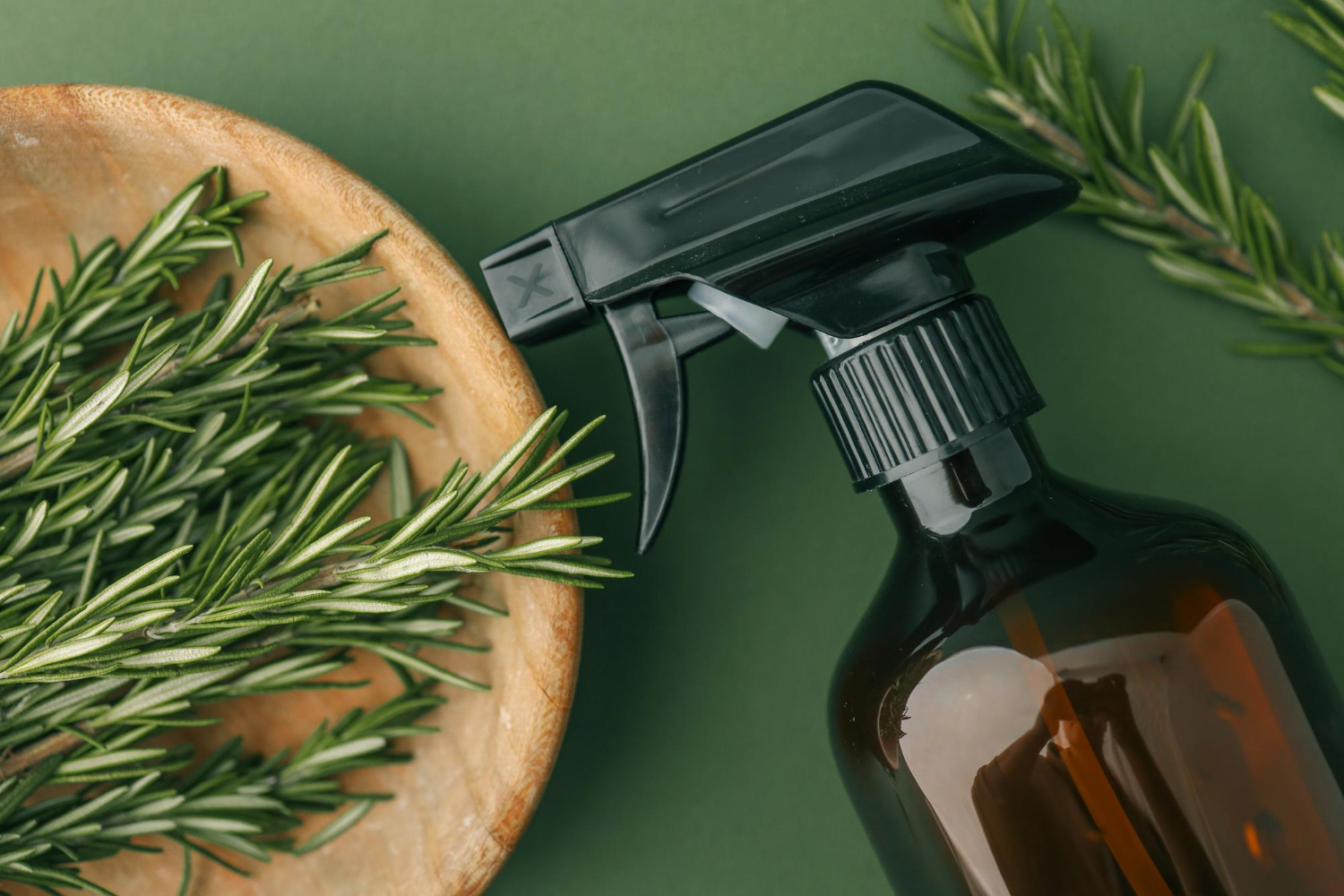
Herbal Spray products include wound care sprays, oral sprays, deodorant sprays, and body sprays. Key components include herbal extracts such as Plai extract, Spilanthes extract, and Centella asiatica extract, formulated in water-based or ethanol-based systems and packaged in spray bottles with a Trigger pump or Aerosol delivery system.

Herbal Cream products include pain relief creams, moisturizing creams, acne creams, and condition-specific formulations containing herbal extracts. Their structure is an emulsion system in which oil and water are combined.

The target market spans domestic consumers who use these products for everyday symptom relief, as well as export markets across ASEAN, Japan, and the Middle East, where international consumers are increasingly embracing Thai traditional medicine wisdom.

Stability testing for herbal sprays and herbal creams

Specific Challenges of Aqueous Systems and Volatile Compounds

Herbal sprays and creams share certain challenges and also face distinct format-specific challenges of their own.

  • The shared challenge is susceptibility to microbial growth. Products containing water are at risk of bacterial and mold contamination. The preservative system must pass PET per ISO 11930 and maintain its efficacy throughout the shelf life.
  • The specific challenge for herbal spray is the volatilization of volatile compounds, particularly in products containing essential oils or volatile herbal compounds such as menthol, camphor, and eucalyptus oil, which may escape the system with repeated use. Measuring volatile content by Gas Chromatography Mass Spectrometry (GC-MS) Headspace analysis at each sampling timepoint is therefore a critical requirement.
  • The specific challenge for herbal cream is emulsion phase separation and degradation of herbal extracts in an aqueous-lipid system. Curcuminoids in turmeric cream may be oxidized over time, and Asiaticoside in Centella asiatica cream may break down into Asiatic Acid.
  • The packaging system challenge for herbal spray is that the Trigger pump or Aerosol valve must function reliably throughout the shelf life. Assessing the number of actuations during which the product continues to spray consistently is an additional parameter that TIBD evaluates.

Testing Parameters Specific to Herbal Spray and Cream

TIBD’s protocol covers parameters specifically designed for herbal spray and cream products.

For herbal spray, testing covers: Marker Compound content of the herbal extract by HPLC; volatile compound content by GC-MS Headspace; pH; clarity for clear liquid sprays; microbiological testing; PET results; Spray Pattern assessment; and the number of actuations for which the product continues to spray consistently.

For herbal cream, testing covers: pH; viscosity; phase separation; net fill loss; Marker Compound content; peroxide value for oil-containing creams; microbiological test results; PET results; and Cycling Test performance.

Sensory Evaluation for both spray and cream covers assessment of color, odor, texture, and skin feel compared against the initial reference sample.

For aerosol-format sprays containing a propellant, measurement of internal can pressure at constant temperature and valve leak testing are format-specific parameters. A pressure drop of more than 20% indicates a system leakage issue that requires investigation.

Stability testing for herbal sprays and herbal creams

Marker Compound Analysis and Preservative System

The core of stability testing for herbal spray and cream is analyzing both the Marker Compound and the long-term stability of the preservative system.

For herbal creams containing plant oils, measuring Peroxide Value is a key requirement. Oils commonly used in herbal creams, such as coconut oil, sesame oil, and rice bran oil, differ in their oxidative stability. The antioxidant system employed, such as Tocopherol, BHT, or Ascorbyl Palmitate, must be evaluated at each sampling timepoint. Marker Compound analysis uses HPLC for non-volatile compounds and GC-MS Headspace for volatile compounds. A decrease in Marker content of more than 10% from the initial value is considered a significant change.

Preservative system analysis is conducted in two dimensions. The first is quantifying the preservative concentration, such as Phenoxyethanol, by HPLC to confirm the level remains within the intended design specification. The second is Preservative Efficacy Testing (PET) per ISO 11930, conducted both at T0 and at designated post-stability sampling timepoints, to confirm the system continues to function throughout the shelf life.

For ethanol-based sprays, monitoring residual ethanol content is an additional parameter, as ethanol evaporation shifts the preservative system and alters spray performance over time.

Testing Conditions and Sampling Schedule

The protocol follows ICH Q1A(R2) conditions for ASEAN Zone IVb.

Long-term stability testing is conducted at 30°C / 75% RH for a minimum of 12 months. Accelerated stability testing is conducted at 40°C / 75% RH for 6 months. For volatile-containing sprays, additional monthly sampling timepoints are added for the first six months to capture volatile compound changes in finer resolution. For creams, a Cycling Test between 4°C and 45°C for 6 to 12 cycles is added, along with a Centrifuge Test.

Standard sampling timepoints are months 0, 3, 6, 9, 12, 18, and 24 for long-term testing, and months 0, 1, 2, 3, and 6 for accelerated testing.

A special protocol for herbal sprays containing essential oils as primary components includes testing in the actual spray bottles used in consumer conditions, to assess volatile loss through the valve and changes in Spray Pattern over time. Products designed for use over a 6 to 12 month period must have data covering the entire use window.

Registration and Export

Herbal spray and cream products must be registered with the Thai FDA under either the Herbal Product Act B.E. 2562 or the Cosmetic Act B.E. 2558, depending on the benefit claims made on the label.

Products making therapeutic or symptom-relief claims are classified as herbal products and require complete stability data, Marker Compound analysis, TLC/HPTLC Fingerprinting, and microbiological testing results. Products making cosmetic benefit claims are classified as cosmetics and must submit a Cosmetic Notification.

For export, the ASEAN market accepts documentation in accordance with either the ASEAN Cosmetic Directive or the ASEAN Traditional Medicine Guidelines.

Manufacturing Risk Management

Commercial-scale production of herbal spray and cream requires rigorous quality control at every stage, including equipment cleanliness monitoring, raw material microbiology control, temperature management during mixing, and packaging integrity verification. Having a Hazard Analysis Critical Control Point (HACCP) system or compliance with ISO 22716 (GMP for Cosmetics) significantly reduces contamination risk and process error.

Safety Assessment of Herbal Ingredients

Beyond stability testing, herbal products must undergo safety assessment of their components. This includes Skin Irritation Testing per OECD 404 or Patch Testing with volunteers, Eye Irritation Testing for products that may contact the eyes, and Sensitization Potential assessment. This safety data complements the Stability Data to give brand owners a complete package for launching into international markets with stringent requirements.

Product Development for Export Markets

Developing herbal spray and cream products for export markets requires attention to the specific regulatory requirements of each destination. The European Union requires that products pass a Cosmetic Product Safety Report (CPSR) evaluated by a certified Safety Assessor, including a safety assessment of Thai herbal ingredients that may not yet appear in the European Inventory.

The Japanese market under the Pharmaceutical and Medical Device Act (PMD Act) requires thorough evaluation, particularly for products classified as Quasi-drugs. Stability data from three production batches and complete Marker Compound data are baseline requirements.

The Middle Eastern market, where Halal products are preferred, requires Halal Certification and documentation confirming that all ingredients are certified. Formulations using vegetarian-friendly surfactants and alcohol-free preservative systems are well suited to this market’s needs.

Technical Risk Assessment Expertise

Technical risk assessment is a key component that TIBD incorporates when designing stability testing protocols. Failure Mode and Effects Analysis (FMEA) for each formulation helps identify points of accelerated degradation and design tests that detect early warning signals before commercial launch. This assessment covers chemical, physical, microbiological, and packaging-related risks.

Stability study planning based on Quality by Design (QbD) gives manufacturers comprehensive, actionable data for commercial decision-making. Defining Critical Quality Attributes (CQA) and Critical Process Parameters (CPP) from the development stage significantly reduces long-term risk.

Product Development for Export Markets

Developing herbal spray and cream products for export markets requires attention to the specific regulatory requirements of each destination. The European Union requires that products pass a Cosmetic Product Safety Report (CPSR) evaluated by a certified Safety Assessor, including a safety assessment of Thai herbal ingredients that may not yet appear in the European Inventory.

The Japanese market under the Pharmaceutical and Medical Device Act (PMD Act) requires thorough evaluation, particularly for products classified as Quasi-drugs. Stability data from three production batches and complete Marker Compound data are baseline requirements.

The Middle Eastern market, where Halal products are preferred, requires Halal Certification and documentation confirming that all ingredients are certified. Formulations using vegetarian-friendly surfactants and alcohol-free preservative systems are well suited to this market’s needs.

Technical Risk Assessment Expertise

Technical risk assessment is a key component that TIBD incorporates when designing stability testing protocols. Failure Mode and Effects Analysis (FMEA) for each formulation helps identify points of accelerated degradation and design tests that detect early warning signals before commercial launch. This assessment covers chemical, physical, microbiological, and packaging-related risks.

Stability study planning based on Quality by Design (QbD) gives manufacturers comprehensive, actionable data for commercial decision-making. Defining Critical Quality Attributes (CQA) and Critical Process Parameters (CPP) from the development stage significantly reduces long-term risk.

VISBIO’s Role as the IQAV Data Verifier

VISBIO, as the Independent Quality Assurance Verifier (IQAV), conducts Marker Compound analysis, microbiological testing, PET, and physical assessment on samples collected at each of TIBD’s designated sampling timepoints, using validated analytical methods per ICH Q2(R1). All steps are supported by a full traceability documentation system and carried out in accordance with ISO/IEC 17025 standard practices.

TIBD Team Expertise

The herbal spray and cream stability testing service is led in collaboration with Dr. Wuttipong Panitsettakorn, advisor and co-founder with expertise in commercial technology management for the health and beauty industry, and Khun Mantamon Uttamo, Senior Advanced Formulator with experience in developing herbal spray and cream formulations. Our team includes specialists who are researchers in Pharmacognosy, Cosmetic Science, and Spray Engineering.

Is your herbal spray or cream product ready for Thai FDA registration? Contact TIBD to receive a custom protocol design tailored to your product. Related resources are available in TIBD’s Thai Herbal Product Stability Testing service hub.

Apply for Stability Testing Service for Herbal Spray and Cream (Herbal Spray and Cream)

If you have any questions or would like to receive a free consultation regarding Stability Testing Service for Herbal Spray and Cream (Herbal Spray and Cream), or if you would like to visit us in person in Bangkok, Thailand, you are warmly welcomed and feel free to contact us via the contact form below.

  • This field is for validation purposes and should be left unchanged.