Description

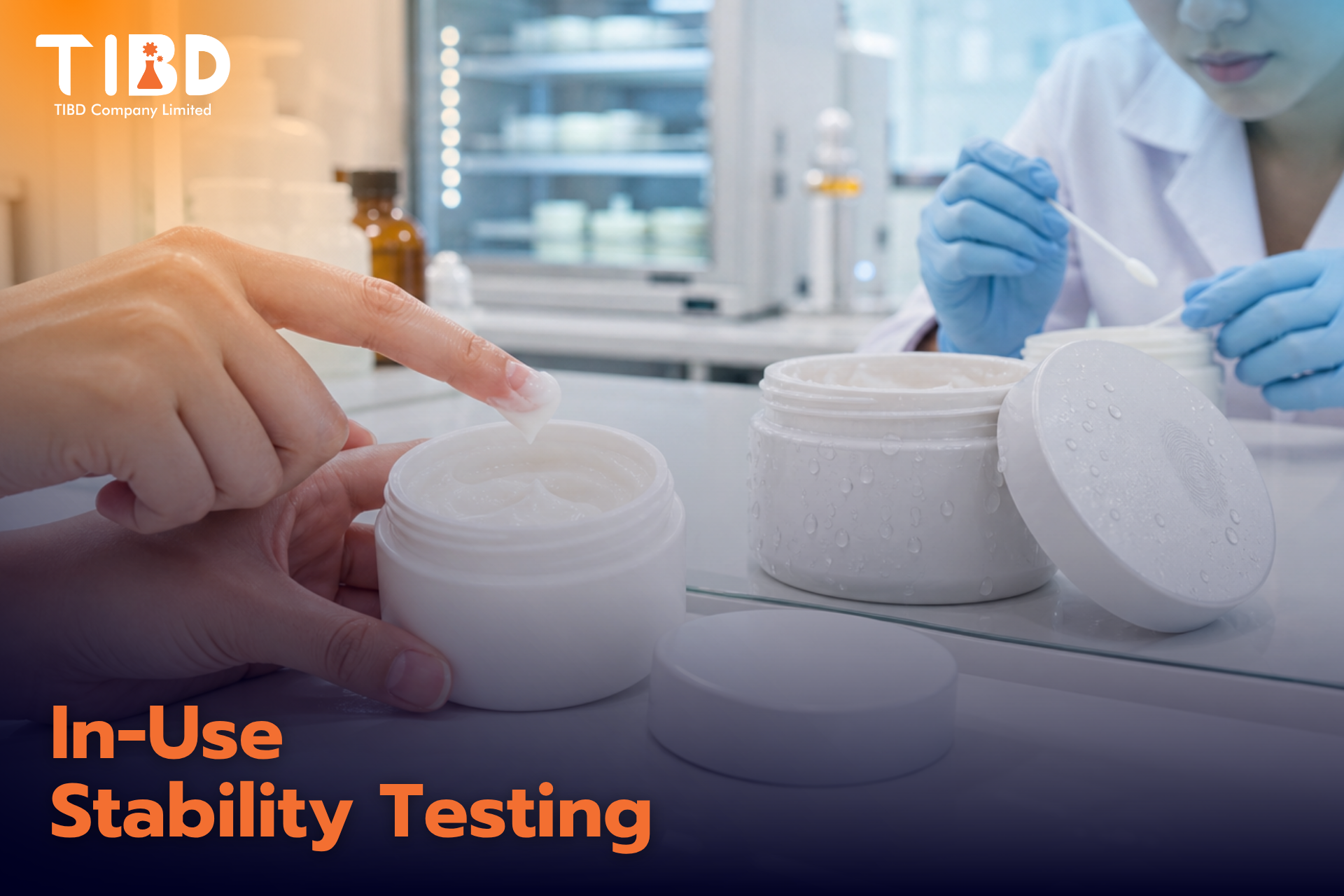
Many products in the health and beauty industry are designed for multi-dose use, meaning consumers open and close the packaging repeatedly throughout the product’s lifespan. Common examples include face cream in a jar, serum in a pump bottle, eye cream in a squeeze tube, and liquid medicine in a dropper bottle. Each time the product is opened and closed, it is exposed to moisture, air, microorganisms from the consumer’s fingers, and fluctuating temperatures, causing it to degrade faster than under standard storage conditions.

In-Use Stability Testing is a study that simulates actual consumer use conditions to determine the Period After Opening (PAO) stated on the label and to confirm that the product remains safe and effective throughout the time a consumer is actively using it.

TIBD’s service covers the design of In-Use Stability protocols that simulate consumer behavior in the ASEAN Zone IVb tropical-humid environment, analysis of physical, chemical, and microbiological changes over time, and interpretation of results to establish the PAO stated on the label, carried out in collaboration with VISBIO, an Independent Quality Assurance Verifier (IQAV).
What Is In-Use Stability and the Importance of Period After Opening (PAO)

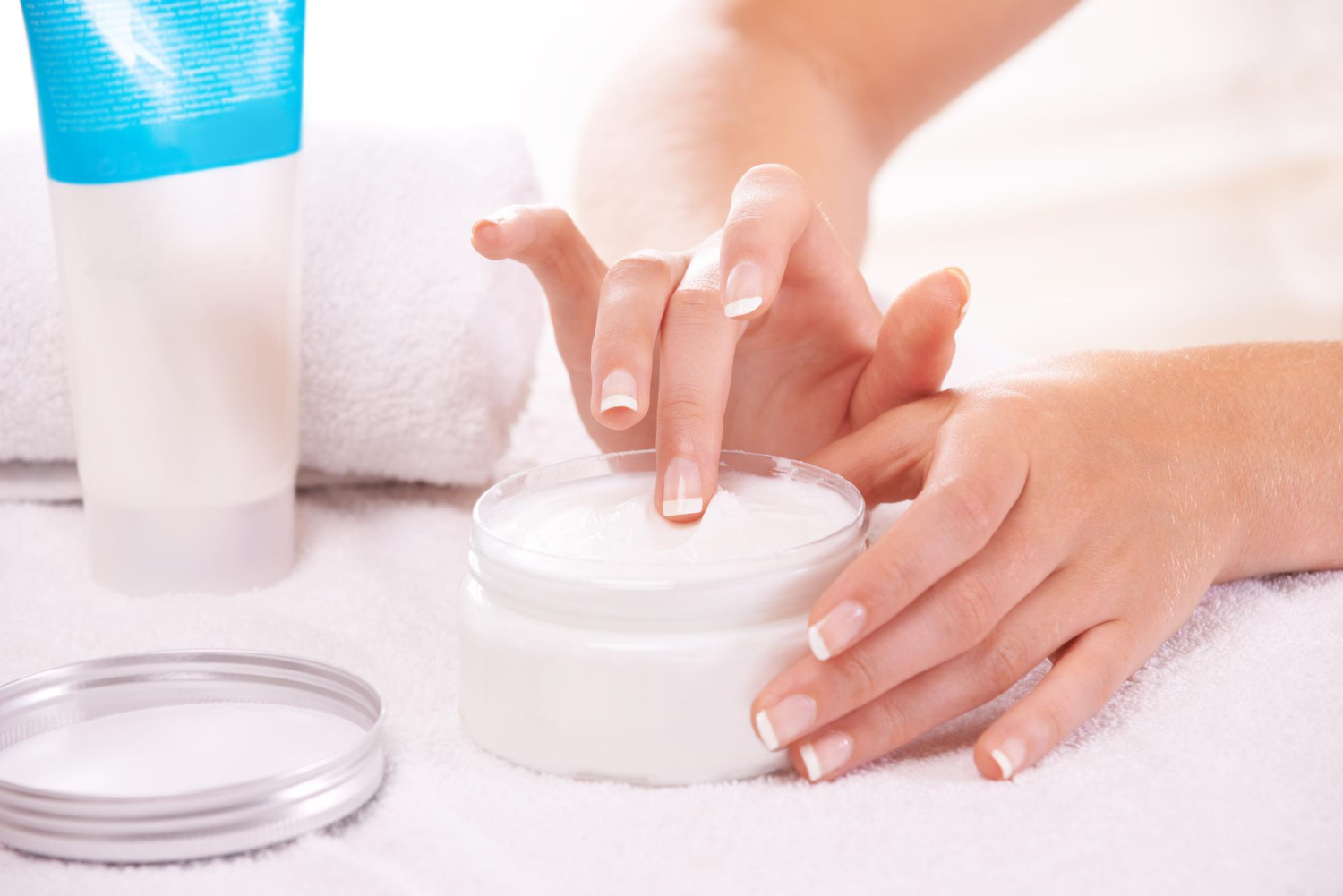
In-Use Stability Testing is a study that evaluates the impact of repeated use on the characteristics of multi-dose products. It covers the effects of opening and closing packaging repeatedly, contact with the consumer’s fingers, and the temperature and humidity fluctuations that a product encounters in everyday use.

The findings of this study are used to determine two key things. The first is the Period After Opening (PAO), represented by the open jar symbol with a number in months, such as 6M, 12M, or 24M, printed on cosmetic labels. The second is the storage conditions during use, such as “close tightly after each use,” “keep away from direct sunlight,” and “do not use fingers to scoop directly.”

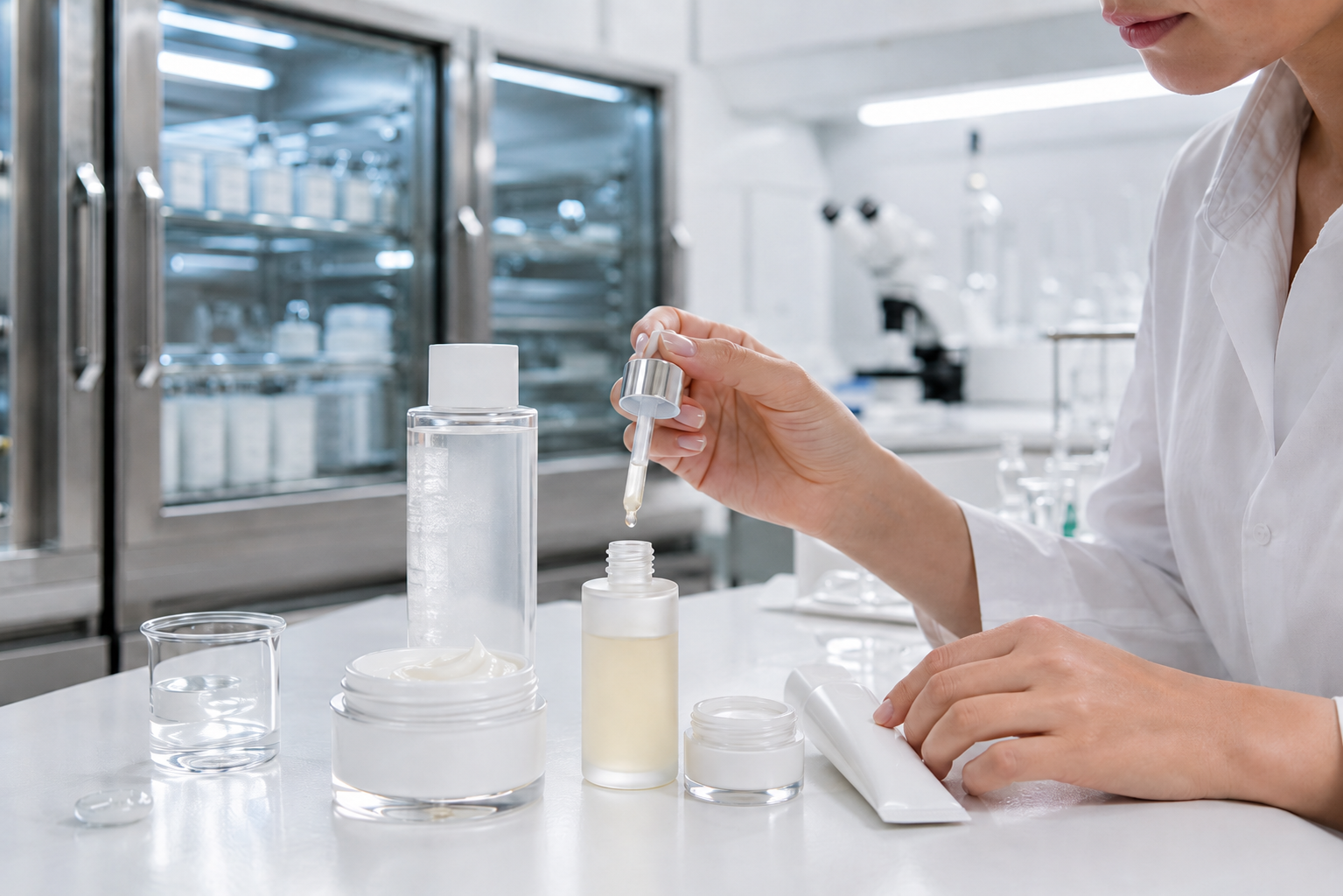
In-use stability testing: simulating real consumer use

PAO is mandatory information required by cosmetic regulatory authorities in ASEAN under the ASEAN Cosmetic Directive and in the European Union under Cosmetic Regulation (EC) No 1223/2009, specifically for multi-dose products with a shelf life exceeding 30 months. Brand owners without In-Use Stability data must estimate PAO without scientific evidence, which carries the risk of regulatory challenge and product recall if issues arise.

Products That Require In-Use Stability Testing

Any product designed to be used more than once or twice, where the packaging is repeatedly opened and closed, requires In-Use Stability Testing to establish a PAO and confirm safety throughout its period of use.

Cosmetics in jars where consumers scoop product with their fingers represent the highest-risk category. This includes face cream, eye cream, body cream in jars, bar soap in a dish, and color cosmetics in compact form, because the consumer’s fingers introduce microorganisms directly into the product.

Cosmetics in pump bottles and squeeze tubes, which have self-sealing mechanisms but are still exposed to air, include serum in pump bottles, lotion in pump bottles, cream in squeeze tubes, and lip balm in tubes. These carry moderate risk of moisture absorption and oxidative degradation.

Products with dropper or spray systems, such as serum in dropper bottles, toner in spray bottles, and eye products in dropper vials, have good closure systems but are used frequently.

Multi-dose liquid pharmaceuticals, including syrups, pediatric liquid medicines, eye drops, and nasal sprays, are required to undergo In-Use Stability Testing under pharmaceutical standards to confirm the stability of the active ingredient and the preservative system.

Principles of Consumer Behavior Simulation

A credible In-Use Stability study must simulate actual consumer use behavior as closely as possible. TIBD designs protocols that integrate consumer study data from the ASEAN market with international testing standards.

  • Frequency of use is simulated for each product type. For face cream and serum, use is set at twice per day, morning and evening. For eye cream, once to twice per day. For lipstick and lip balm, three to five times per day. For liquid medicines, according to the dosage indicated in the product specification.
  • Contact conditions are simulated according to the product type. For jar-format products where consumers use their fingers to scoop, a spatula or standardized finger simulation with a set microbial inoculum is used. For pump bottle products, a defined number of pump strokes is applied. For squeeze tubes, repeated squeezing and air re-entry is simulated.
  • Storage conditions are simulated to reflect what the product actually experiences in a consumer’s bag or on a dressing table, where temperature and humidity are not constant. TIBD applies ASEAN Zone IVb conditions of 30°C / 75% RH as the standard, with optional conditions of 25°C / 60% RH or a cycling test between 25 and 40°C for products intended for international markets.
  • Duration of use is simulated based on the PAO being proposed for the label. Most products are studied over one to three months. Long-lasting products such as perfume in spray bottles may extend to 12 to 24 months.

Testing Protocol and Sample Preparation

TIBD’s protocol follows ICH Q1A(R2) guidelines for In-Use Stability, adapted to the characteristics of each product type.

  • Samples are prepared from actual production lots, using at least two manufacturing lots, packaged in the commercial packaging to be used in the market. Test samples simulate daily use conditions. Control samples are held under normal storage conditions without opening, to separate the effect of use from the effect of storage.
  • The number of samples must be sufficient for analysis of all parameters at each sampling timepoint. Typical timepoints are Day 1, Week 1, Week 2, Week 4, Week 8, and Week 12, continuing until the end of the designed study period.
  • Testing is carried out using sterile spatulas or standardized finger simulation tools prepared under controlled conditions, to ensure consistency and reproducibility of results.

Testing Parameters: Microbiological, Chemical, and Physical

TIBD’s In-Use Stability protocol covers a broad set of parameters tailored to the nature of each product.

  • Microbiological parameters are the most critical, as repeated opening and closing significantly increases the risk of microbial contamination. Testing covers Total Aerobic Microbial Count (TAMC), Total Yeast and Mold Count (TYMC), and detection of pathogenic microorganisms, following ISO 17516 standards for cosmetics.
  • Chemical parameters cover active ingredient assay by high-performance liquid chromatography (HPLC), preservative assay to confirm that the preservative system remains functional, pH stability, and peroxide value for products containing oils.
  • Physical parameters cover appearance, color, odor, texture, viscosity for liquid products, phase separation for emulsions, and net weight, which may decrease over time due to water evaporation.
  • Preservative Efficacy Testing (PET) per ISO 11930, conducted after the study period is complete, evaluates whether the preservative system maintains its efficacy after repeated consumer use. A passing PET result following in-use exposure is a key piece of evidence for proposing the PAO.
In-use stability testing: simulating real consumer use

Interpreting Results and Setting PAO on Labels

In-Use Stability results are used to set the PAO stated on the product label. The PAO must be grounded in actual test data rather than estimation.

  • The principle for setting PAO is to select the most conservative value across all tested parameters. If microbiological results show the product is safe through 12 months, but the active ingredient assay falls below the acceptance limit at 9 months, the PAO stated on the label must be 9 months or less.
  • Common PAO values in the cosmetics market include 6M for water-based products in jars, 12M for products in pump or squeeze tube formats, and 24M or 36M for oil-based products or those in well-sealed packaging systems.
  • If test results indicate that the product cannot achieve an acceptable PAO for the intended market, there are three corrective approaches: reformulating to strengthen the preservative system, switching to an airless pump or single-dose sachet packaging, or offering a shorter PAO and communicating clearly to consumers about the defined usage period.

Regulatory Significance and Registration

In-Use Stability is mandatory data required by the ASEAN Cosmetic Directive and the European Union Cosmetic Regulation for multi-dose cosmetic products with a shelf life exceeding 30 months.

  • For multi-dose pharmaceutical products under ICH Q1A(R2), In-Use Stability data is required as supporting information in Module 3.2.P.8 of the Common Technical Document. This applies to syrups, eye drops, nasal sprays, and liquid products in multi-dose containers.
  • For multi-dose dietary supplement products containing live microorganisms (Probiotics), In-Use Stability data on Colony Forming Unit (CFU/g) decline over the usage period is required to confirm that the CFU count stated on the label remains within the defined range throughout use.

VISBIO’s Role as the IQAV Data Verifier

VISBIO, as the Independent Quality Assurance Verifier (IQAV), conducts microbiological, chemical, and physical analysis on in-use samples collected at each of TIBD’s designated sampling timepoints. All analysis uses validated methods per ICH Q2(R1), supported by a full traceability documentation system, and carried out in accordance with ISO/IEC 17025 standard practices.

TIBD Team Expertise

The In-Use Stability Testing service is led in collaboration with Dr. Wuttipong Panitsettakorn, advisor and co-founder with expertise in commercial technology management for the health and beauty industry, and Khun Mantamon Uttamo, Senior Advanced Formulator with experience in designing formulations and preservative systems that withstand repeated use. Our team includes specialists who are researchers in Cosmetic Microbiology, Preservation Science, and Packaging Engineering.

Does your multi-dose product need a scientifically grounded PAO to support a Cosmetic Notification submission? If you need In-Use Stability Testing aligned with ICH Q1A(R2) and ASEAN Stability Guidelines, including post-use PET, contact TIBD for a custom protocol design tailored to your product.

References

Apply for In-Use Stability Testing Service: Simulating Real Consumer Use Conditions

If you have any questions or would like to receive a free consultation regarding In-Use Stability Testing Service: Simulating Real Consumer Use Conditions, or if you would like to visit us in person in Bangkok, Thailand, you are warmly welcomed and feel free to contact us via the contact form below.

  • This field is for validation purposes and should be left unchanged.