Description

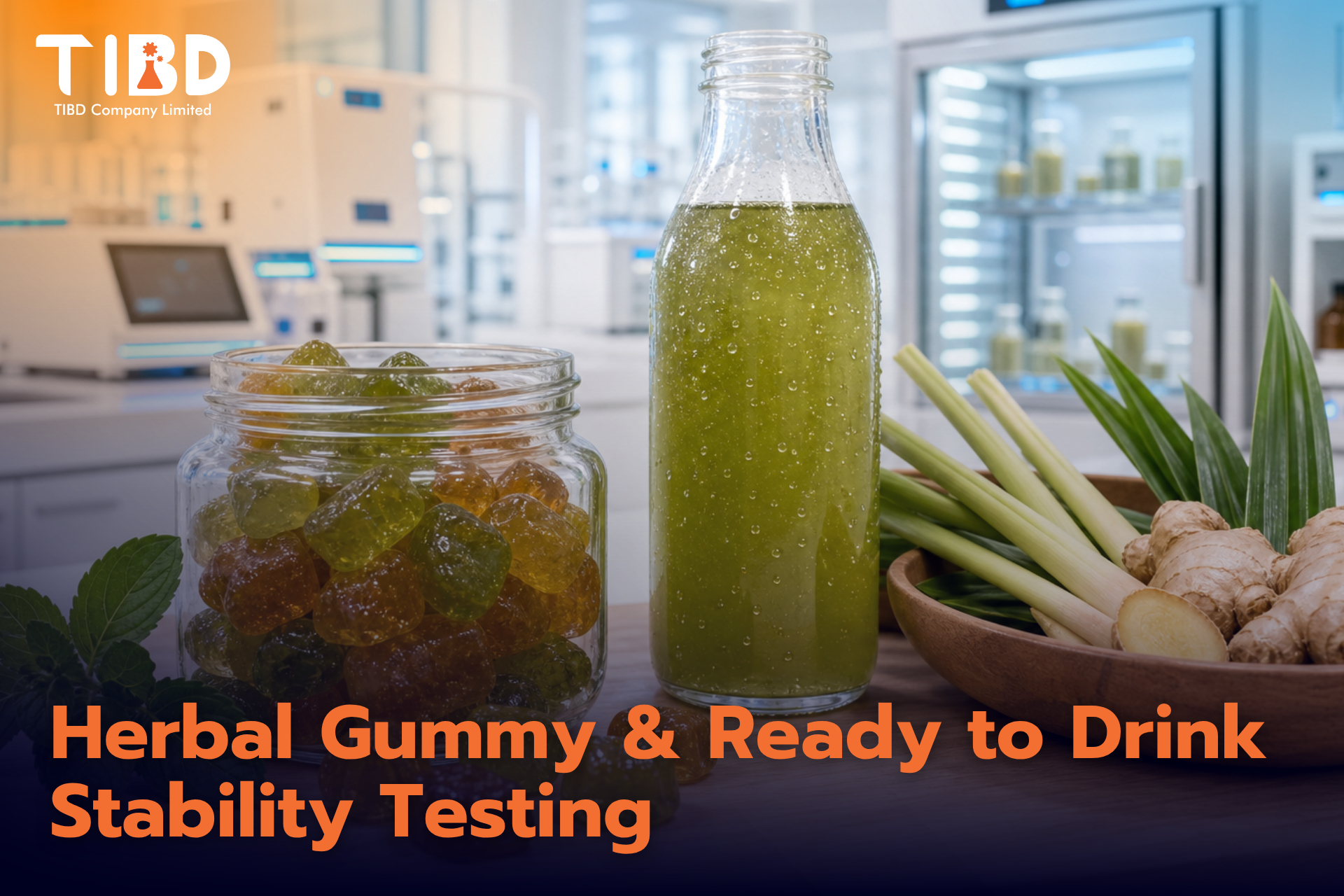
Herbal products in Gummy (Herbal Gummy) and Ready-to-Drink (Herbal RTD) formats are among the fastest-growing segments in the Thai market, driven by modern consumer demand for health products that are convenient to consume, taste good, and have a contemporary appeal. Herbal gummies deliver herbal extracts such as Turmeric, Andrographis, Fingerroot, and Moringa in a soft chewy jelly format. Herbal RTD beverages deliver herbal extracts in bottled drinks in glass, PET, or can formats.

The stability challenges of herbal gummies arise from sugar and water being primary components, creating risk of microbial growth, Caking, and physical deformation from heat. Herbal RTD beverages are liquid systems susceptible to Marker Compound degradation and ingredient Sedimentation. TIBD’s service is designed specifically for both formats, under ASEAN Zone IVb conditions and per Thai Herbal Pharmacopoeia (THP 2021) acceptance criteria, in partnership with VISBIO as an Independent Quality Assurance Verifier (IQAV).
Herbal Gummy and RTD in the Thai Herbal Product Market

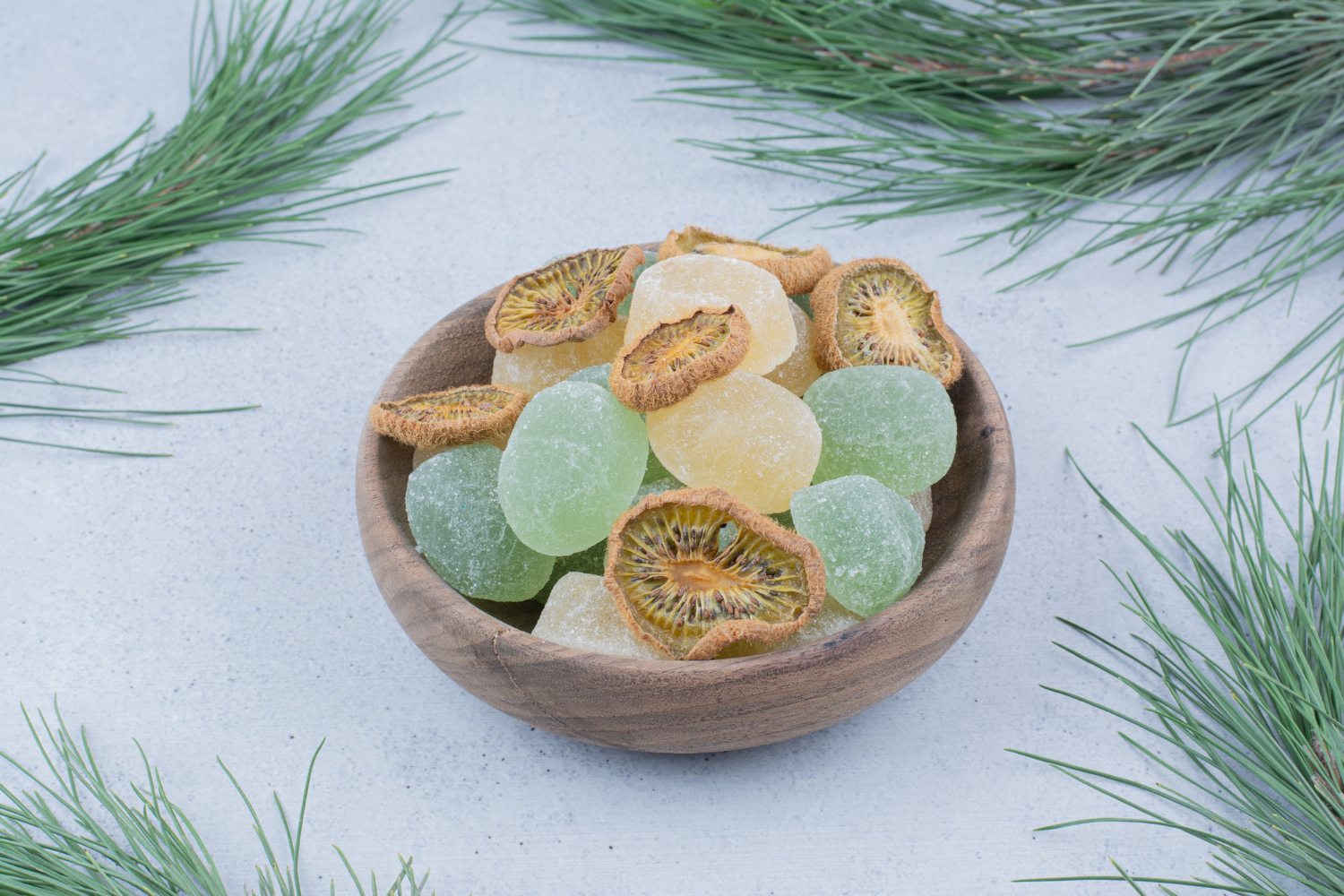
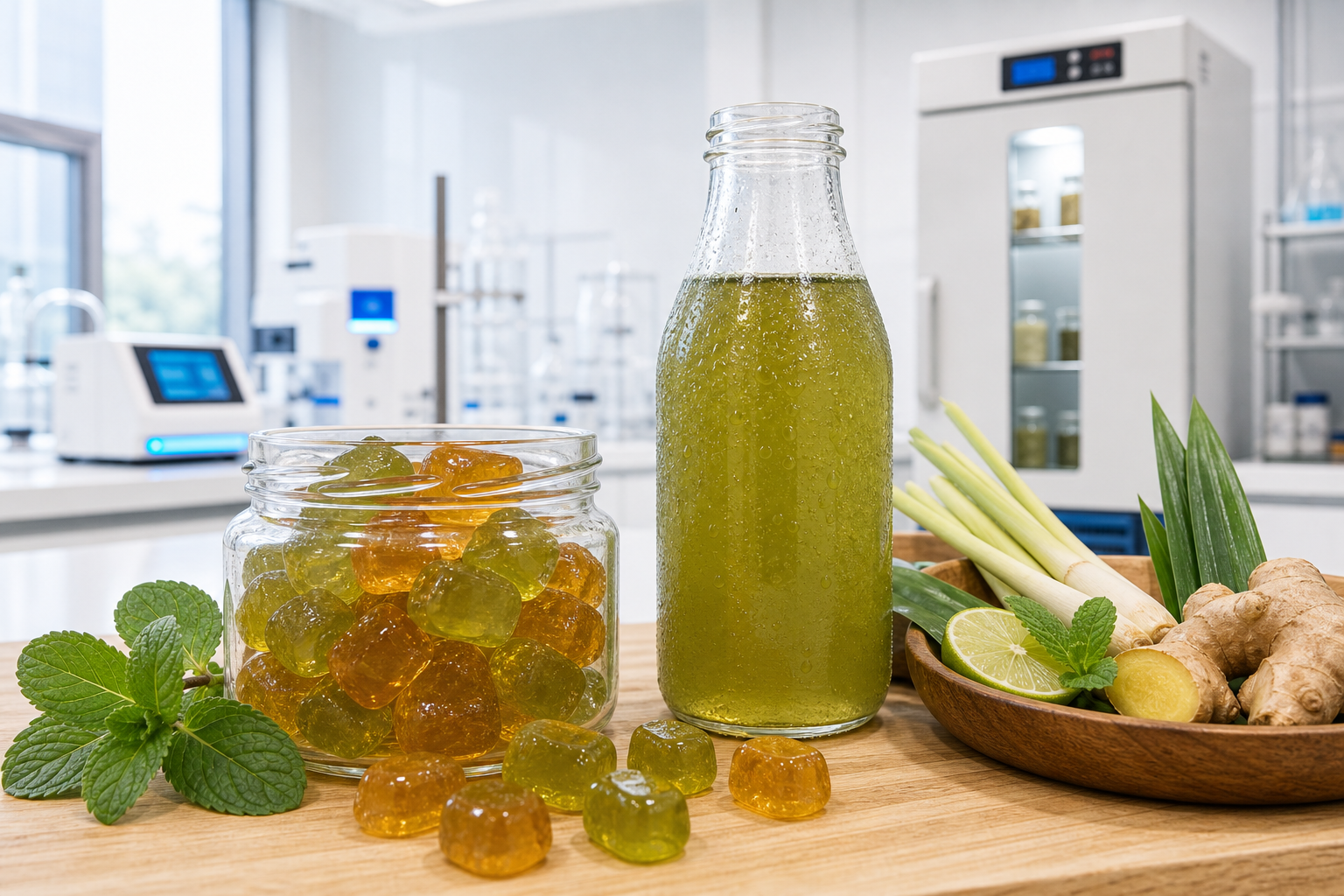
Herbal Gummy is an edible product in soft chewy jelly format with Pectin or Gelatin as the primary structural component, sugar and sweeteners as major ingredients, and herbal extracts in quantities appropriate per serving unit. It is packaged in aluminum pouches or plastic jars and used in both the food supplement and herbal product categories.

Herbal RTD (Ready-to-Drink) is a bottled beverage containing herbal extracts, typically produced using Hot-fill or Aseptic Packaging systems, packaged in glass bottles, PET bottles, or cans. It is used in both functional food and food supplement categories.

The primary target market is younger consumers seeking health products in convenient formats, along with export markets in ASEAN, Japan, and South Korea where interest in Functional products based on herbs and natural ingredients is growing rapidly.

Specific Challenges of the Gummy and Beverage Systems

Herbal gummies and herbal RTD beverages operate on entirely different product systems, and each format carries its own specific stability testing challenges.

In herbal gummies, the first challenge is Jelly Structure Stability. Pectin is sensitive to pH and Gelatin is sensitive to heat, so gummies may soften or harden excessively under storage conditions where temperature fluctuates. The second challenge is Sugar Crystallization, which may occur when products are stored for extended periods, changing texture and taste. The third challenge is Marker Compound degradation in herbal extracts, particularly Curcuminoids from Turmeric, which can degrade in systems with near-neutral pH. An additional gummy challenge is the interaction between Pectin or Gelatin and herbal extracts high in Tannins or Polyphenols, such as Centella, Phyllanthus, or Amla extracts. These compounds can bind with proteins in the jelly matrix and alter the texture.

In herbal RTD beverages, the first challenge is Marker Compound degradation in a liquid system. The second challenge is Sedimentation, where ingredient separation makes the beverage turbid and unappealing. The third challenge is preservative system stability after the bottle is opened.

For RTD beverages produced by Hot-fill, the heat applied during filling may degrade heat-sensitive Marker Compounds such as Andrographolide from Andrographis. Designing the Hot-fill process with the right temperature and time parameters is therefore a critical factor in preserving product efficacy. An Aseptic Packaging system, which fills in a sterile environment without high-heat treatment, is an alternative that better preserves heat-sensitive Marker Compounds.

Stability testing for herbal sprays and herbal creams

Testing Parameters Specific to Herbal Gummies and Herbal RTD

TIBD’s stability testing protocols cover parameters designed specifically for herbal gummies and herbal RTD beverages.

For herbal gummies, parameters include Texture and Hardness measured by Texture Analyzer, Water Activity (aw), Moisture Content, pH, Brix (sugar concentration), Caking assessment, Marker Compound content, Taste and Color assessment, and Microbiological test results. For coated gummies such as those with Sugar Coating or Sour Coating, Coating Integrity assessment at each pull point is an additional parameter, since peeling or cracking of the coating causes gummies to stick together and changes the taste.

For herbal RTD beverages, parameters include Clarity, Sedimentation, pH, Brix, Marker Compound content, Taste and Aroma assessment, and Microbiological test results. Viscosity of the beverage syrup is measured by Viscometer at constant temperature; a change exceeding 15% from the initial value indicates a change in the sugar system or degradation of the Hydrocolloid Stabilizer used to maintain the beverage system.

Marker Compound Analysis and Microbiological Assessment

Marker Compound analysis uses HPLC for non-volatile compounds such as Curcuminoids, Andrographolide, and Methoxyflavones. A decrease exceeding 10% from the initial value is considered a significant change.

Microbiological assessment per THP 2021 and the Ministry of Public Health notification on food microbiology standards covers total microbial count, Yeast and Mold count, and testing for designated pathogenic microorganisms including Salmonella spp., Escherichia coli, and Staphylococcus aureus.

For RTD beverages with water as the primary ingredient, Preservative Efficacy Testing (PET) is a critical requirement to confirm the preservative system remains effective throughout shelf life.

Stability testing for herbal sprays and herbal creams

Testing Conditions and Sampling Schedule per ASEAN Zone IVb

TIBD’s testing protocols use conditions per ICH Q1A(R2) for ASEAN Zone IVb.

Long-term Stability testing is conducted at 30°C / 75% RH for a minimum of 12 months to simulate storage conditions in pharmacies, convenience stores, and consumers’ homes in tropical humid climates. Accelerated Stability testing is conducted at 40°C / 75% RH for 6 months. For RTD beverages that require cold-chain storage, an additional condition at 5°C plus or minus 3°C is used for the long-term study.

Standard pull points for long-term testing are at months 0, 3, 6, 9, 12, 18, and 24. For accelerated testing, pull points are at months 0, 1, 2, 3, and 6.

For herbal RTD beverages packaged in glass bottles, Photostability testing per ICH Q1B must be added to assess the effect of light on color and active compounds. Products stored continuously under the lighting of convenience stores or supermarkets may degrade faster than products stored in the dark.

Thai FDA Registration and Export

Herbal gummy and RTD herbal beverage products sold in Thailand must obtain registration with the FDA under the Food Act B.E. 2522 (1979) or under the Herbal Product Act B.E. 2562 (2019), depending on the label claims.

Products making therapeutic or symptom-relief claims are classified as herbal products and require complete stability data, Marker Compound analysis, and microbiological testing. Products making nutritional benefit claims are classified as food or functional food.

For export, Japan and South Korea markets where consumer interest in Functional products is high use product qualification documentation based on 24-month stability data. Manufacturers who have stability data referenced to Zone IVb and a report from an IQAV are in a stronger position when negotiating with importers. The Middle East market requires Halal Certification alongside product qualification documentation.

Manufacturing and Storage Challenges

Commercial-scale herbal gummy production must account for consistent distribution of herbal extracts across each individual gummy, temperature control during processing that affects jelly structure, and humidity control during drying and storage. Products produced under poorly controlled processes may have high variance in active compound concentration and physical properties.

Warehouse storage of herbal gummies requires temperature and humidity-controlled conditions. Storage under fluctuating temperatures causes gummies to melt and stick together. Appropriate Pallet Stacking systems and warehouse ventilation are critical components.

Thai herbal RTD beverages have significant export market opportunity in markets that are opening to natural products: Japan’s Functional beverage market based on herbal ingredients, South Korea’s K-Wellness market, and the Middle East market for Halal-certified products.

Quality Assessment and Technical Formula Development

Developing a herbal gummy formula with acceptable taste and stable properties over the long term requires a Compatibility Study between Pectin or Gelatin and herbal extracts during the R&D phase before beginning stability studies. Stability studies at Pilot Scale and Production Scale reduce the risk of property changes when scaling up production.

Designing a Hot-fill herbal RTD beverage requires selecting the right temperature and time parameters to preserve Marker Compounds while eliminating microbial contamination. Microbiological assessment both before and after the Hot-fill process is a critical requirement.

Sensory Acceptance assessment covering taste, aroma, and mouthfeel is a key condition for market launch. Consumer Panel testing with 50-100 people matching the target group provides data for formula improvement before commercial launch.

TIBD applies Failure Mode and Effects Analysis (FMEA) for technical risk assessment of each product formula to identify components likely to degrade quickly and design testing that captures early warning signals before commercial launch. This assessment covers chemical, physical, microbiological, and packaging risks. Planning stability studies based on Quality by Design (QbD) principles, including defining Critical Quality Attributes (CQA) and Critical Process Parameters (CPP) from the development stage, reduces long-term risk.

VISBIO’s Role as an Independent Quality Assurance Verifier (IQAV)

VISBIO, acting as an Independent Quality Assurance Verifier (IQAV), performs Marker Compound analysis by HPLC, microbiological testing, Preservative Efficacy Testing, and physical assessment on samples collected at TIBD’s pull points, using Validated Methods per ICH Q2(R1) with full traceability documentation at every step and operations conducted under ISO/IEC 17025 standards.

TIBD Team Expertise

The herbal gummy and RTD herbal beverage stability testing service is conducted in partnership with Dr. Wuttipong Panitsettakorn, Advisor and Co-Founder, who specializes in commercial technology management for the health and beauty industry, and Ms. Mandhamon Uttamo, Advanced Formulator, with experience in functional food and herbal product formula development. Our team includes researchers specializing in Food Science, Beverage Technology, and Botanical Standardization.

Is your herbal gummy or RTD herbal beverage product ready for Thai FDA registration or for export? If you need stability data referenced to ICH Q1A(R2), the ASEAN Stability Guideline, and the Thai Herbal Pharmacopoeia (THP 2021), Contact TIBD for a customized protocol designed for your product. Related articles are available in the TIBD Thai Herbal Product Stability Testing Service Hub.

References

  • International Council for Harmonisation of Technical Requirements for Pharmaceuticals for Human Use. (2003). Stability testing of new drug substances and products: Q1A(R2). ICH Harmonised Tripartite Guideline. https://database.ich.org/sites/default/files/Q1A%28R2%29%20Guideline.pdf
  • ASEAN Pharmaceutical Product Working Group. (2013). ASEAN guideline on stability study of drug product (Revision 2). Association of Southeast Asian Nations. https://asean.org/wp-content/uploads/2018/01/25PPWG-ANNEX-7-iv-Final-ASEAN-Guideline-on-Stability-Study-Drug-Product-R2.pdf
  • Department of Medical Sciences, Ministry of Public Health Thailand. (2021). Thai Herbal Pharmacopoeia 2021 (THP 2021). กรมวิทยาศาสตร์การแพทย์ กระทรวงสาธารณสุข. https://bdn-thp.dmsc.moph.go.th/home
  • Royal Thai Government Gazette. (2013, May 22). Notification of the Ministry of Public Health (No. 364) B.E. 2556 (2013) Re: Standards for Pathogenic Microorganisms in Food. Royal Thai Government Gazette. (In Thai)
  • Royal Thai Government Gazette. (2019, April 30). Herbal Products Act B.E. 2562 (2019). Royal Thai Government Gazette, 136(56 Kor), 1–29. (In Thai)

Apply for Herbal Gummy and Ready-to-Drink (RTD) Herbal Beverage Stability Testing Service

If you have any questions or would like to receive a free consultation regarding Herbal Gummy and Ready-to-Drink (RTD) Herbal Beverage Stability Testing Service, or if you would like to visit us in person in Bangkok, Thailand, you are warmly welcomed and feel free to contact us via the contact form below.

  • This field is for validation purposes and should be left unchanged.