

Deep Tech Innovators · 02
Silk Crystal: From silk proteinto beauty materials
Real silk protein microstructure, not hydrolyzed silk
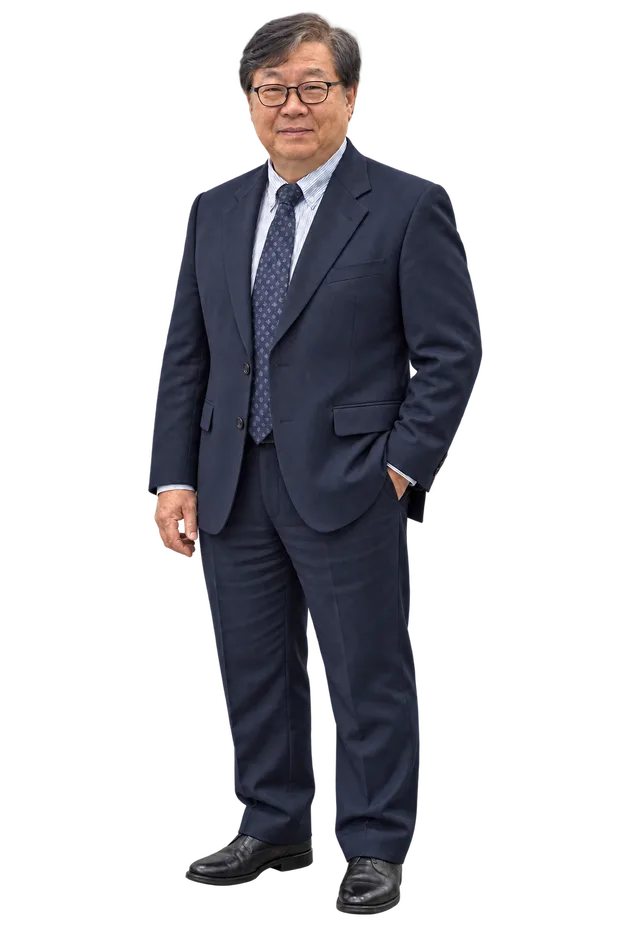
Silk Science by Dr. Garbeen Yim, since 1999
From cocoon to material
A closer look, one scale at a time
From the cocoon down to the microstructure, and back up to the material used in a formula
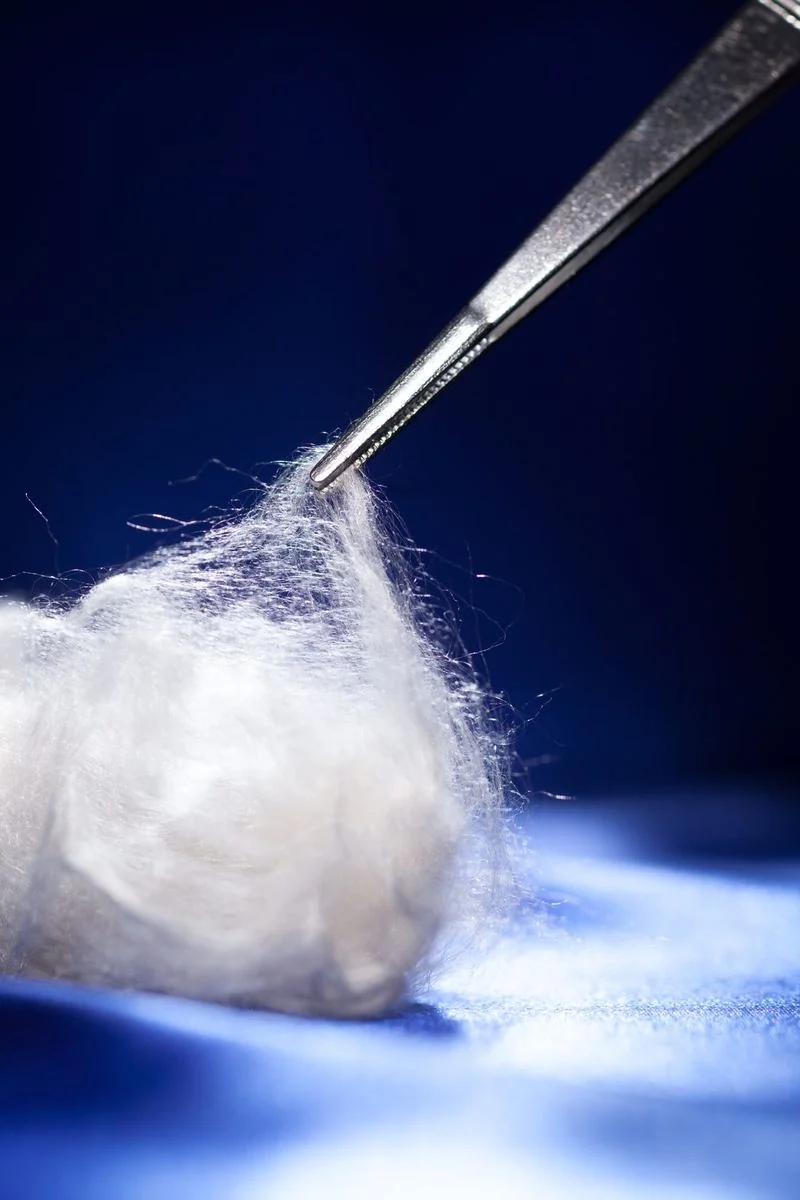
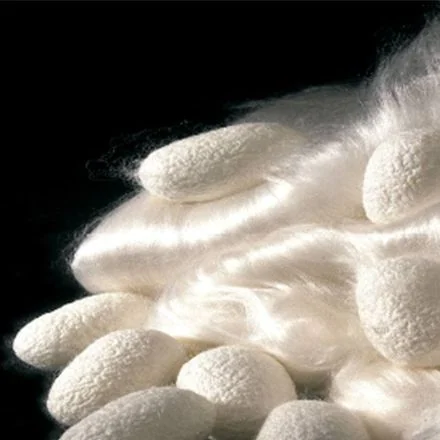 01Silk cocoons
Sericin is removed, leaving fibroin protein
Photograph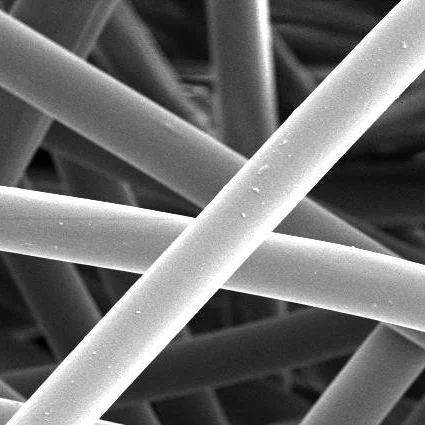 02Silk fibers
Silk fibers under the electron microscope: smooth, continuous filaments
Electron microscope · 1,000×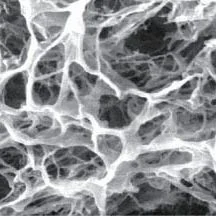 03Silk Crystal network
Fibroin fibrils reorganized into a porous three-dimensional network
Electron microscope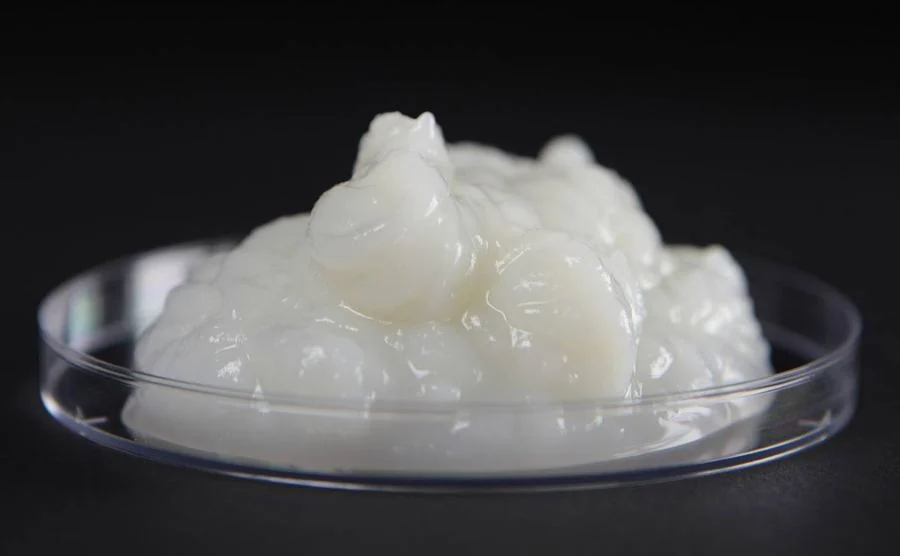 04Silk Crystal gel
White to ivory gel, used at 3–15% in emulsions
Photograph
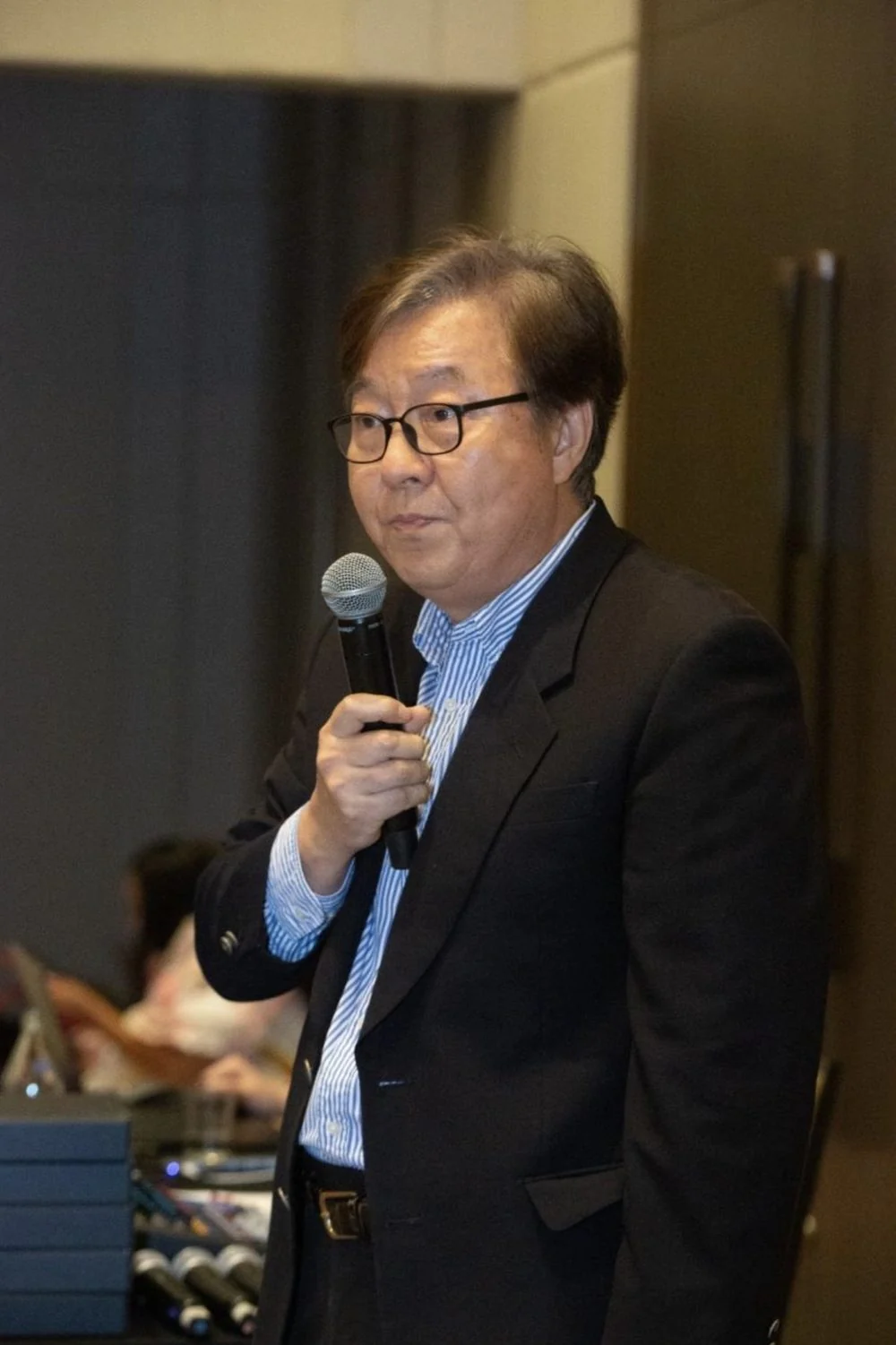
Deep Tech Innovator · Lead researcher
He purified nature’s molecules.
Then he gave silk a new structure.
Dr. Garbeen YimPh.D. Biochemical Engineering, Seoul National University · CEO, FINECO LTD.
Dr. Yim trained in chemical technology and biochemical engineering and worked in industrial fermentation research. That experience led to Silk Science, which dates from 1999 and now covers Silk Crystal, silk–gold complexes and silk microcapsules
Coming soonFull interview with Dr. Garbeen Yim · recorded 9 October 2026
The idea in one line
Real silk protein microstructure, not hydrolyzed silk
 Dr. Garbeen YimLead researcher · CEO, FINECO LTD.
A spoken quote will replace this line once the interview is done
- 1983–93B.S. (1983), M.S. (1986) and Ph.D. (1993), Seoul National University
- 1993–99Managed industrial biotechnology research
- 1999Silk Science begins: silk technology and materials
- 2012Silk Crystal mask technology featured in Beauty Cosmedica
- 2026Silk Crystal Veil technical introduction for hair care
Research lines from Dr. Yim's team
Silk Science
Silk Crystal: fibroin fibrils reorganized into a three-dimensional network
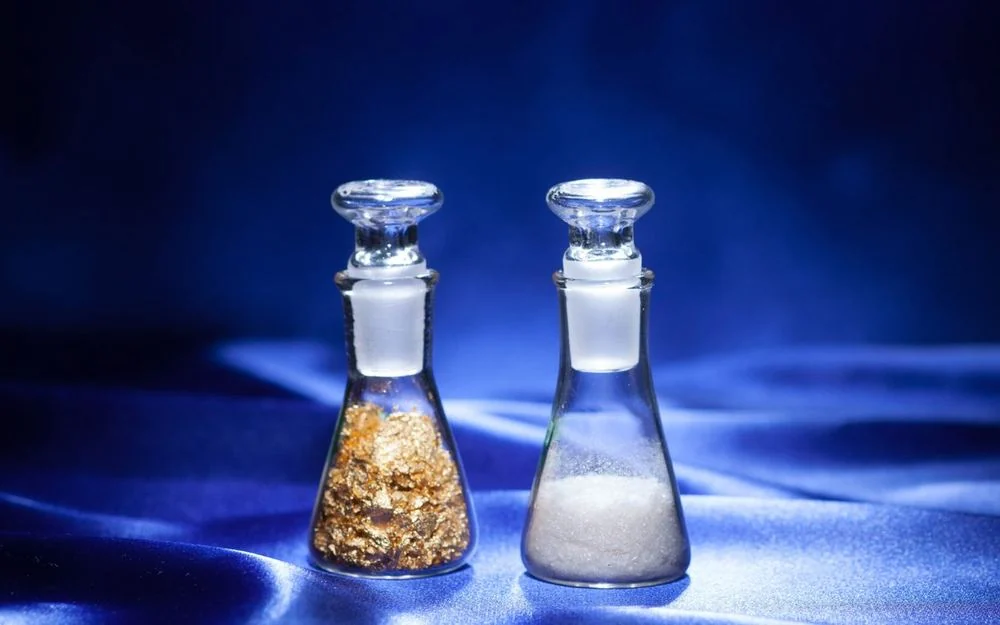
Silk–Gold nanotechnology
Bio-conjugation of silk with gold colloid
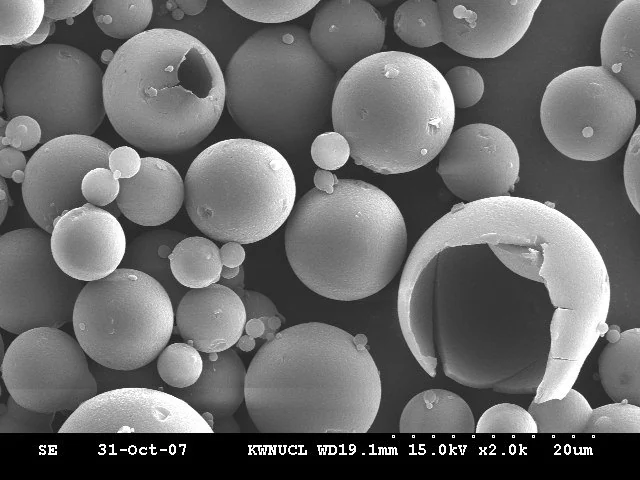
Microencapsulation
Silk Crystal microcapsules for controlled delivery of sensitive actives
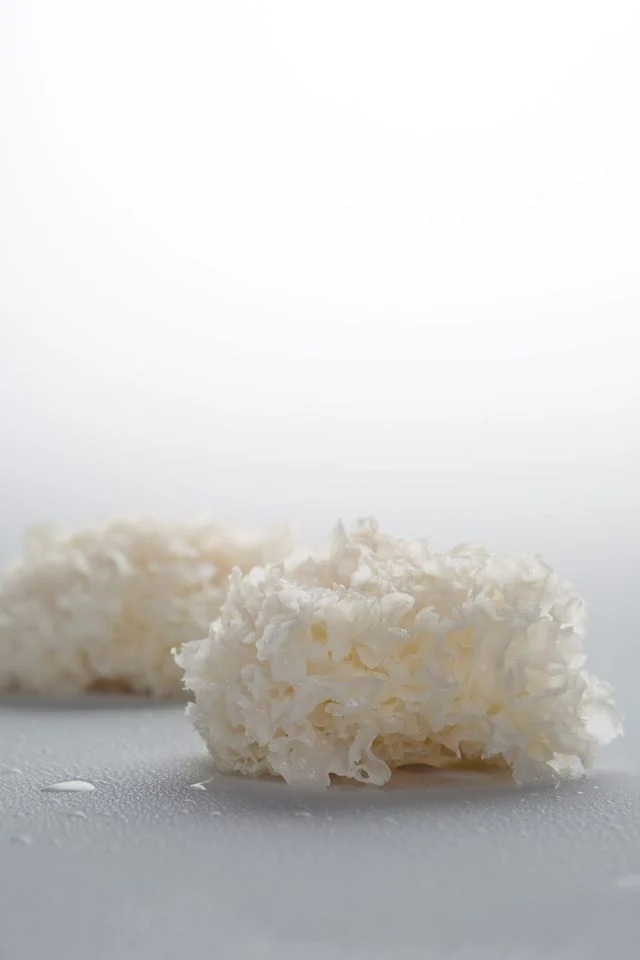
Mushroom Science
Fine Mushroom HA, a polysaccharide from snow fungus (Tremella fuciformis)
Contact the research team directlyFINECO LTD.
Technical data, samples and starter formulations. Gangwon Technopark #201, Shinbuk-ro 61-20, Shinbuk-eup, Chuncheon, Gangwon, Korea 24206
Email · Garbeen Yim, Ph.D.fineco@fineco.net
In ThailandContact via the TIBD team
Research team websiteNot available yet
The technology
Silk Crystal explained
Real silk protein microstructure, not hydrolyzed silk
FINECO describes it this way: instead of breaking silk down, it reorganizes silk fibroin fibrils into an entirely new three-dimensional network, a stable, water-compatible microstructure that keeps silk's native performance intact
Native silk structure preservedWater-compatible, no hydrolysisBiomimetic process
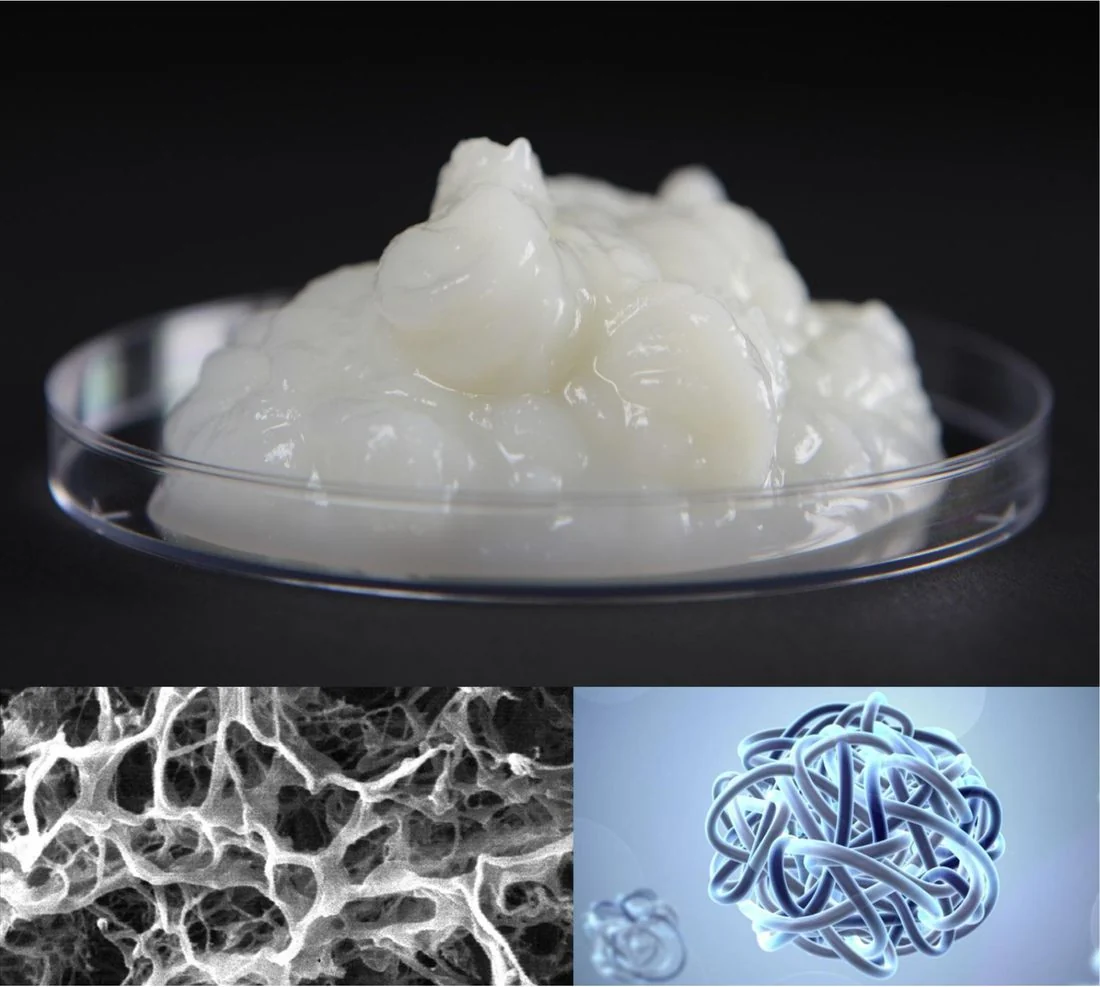
Silk Crystal at three scalesSilk Crystal gel (top), its network under the electron microscope (left) and an illustration of the protein structure (right)
Why conventional silk washes away
ConventionalHydrolyzed silk
Broken down into low-molecular peptides that dissolve completely in water
ConventionalSericin
A highly hydrophilic, water-soluble protein. Its film has no water resistance
ConventionalSilk amino acids
The lowest molecular weight of all. Cannot remain on the fiber surface
Silk CrystalPorous β-sheet network
The structure that makes silk valuable is kept instead of being destroyed in processing
The Silk Science family
Six materials from Silk Science
One silk technology in six material formats, for skin care and hair care
- 013–15%Silk Crystal
White to ivory gel: silk fibroin fibrils reorganized into a three-dimensional network
 0296.5%Silk Crystal Hydrogel Mask
Self-shrinking silk hydrogel sheet, about 96.5% Silk Crystal. The sheet itself is the active material
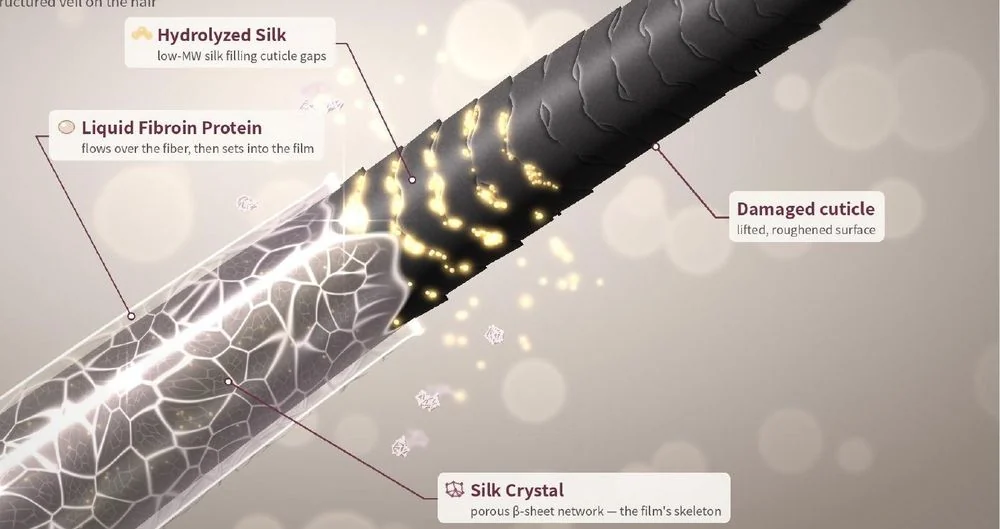 03Hair · RO / LOSilk Crystal Veil
Tri-layer silk system for hair care: Silk Crystal forms the film skeleton, liquid fibroin the continuous film, and hydrolyzed silk only fills the gaps
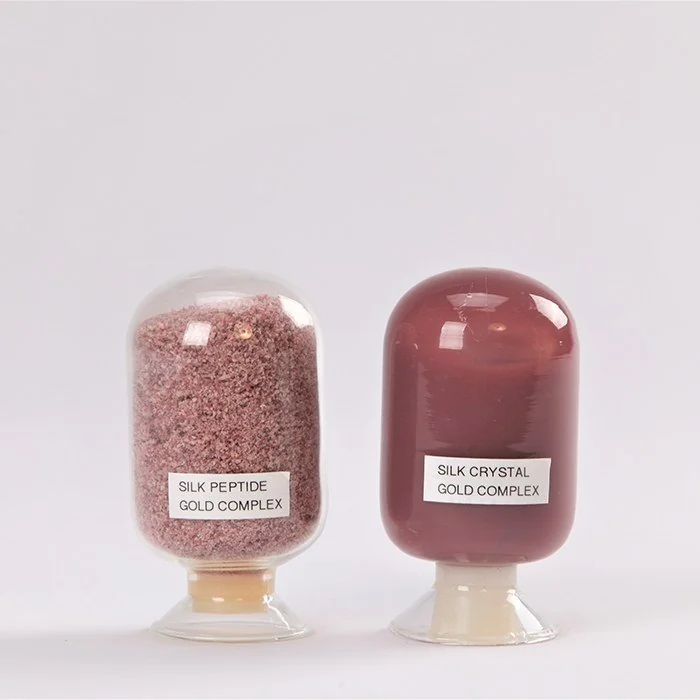
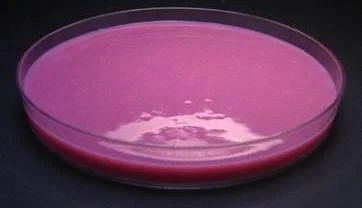 04Gold 0.02%Silk Crystal Gold Complex
A hybrid of Silk Crystal and colloidal gold designed for skin care
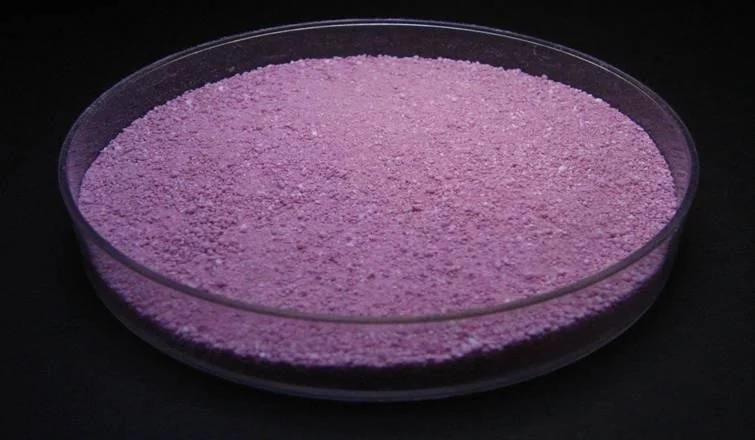 05Gold > 0.1%Silk Peptide Gold Complex
Fully water-soluble complex of silk peptides and colloidal gold: a transparent purple base for serums and essences
- 06DeliverySilk Crystal Microcapsules
Microcapsules for controlled delivery of sensitive active ingredients
- INCI of Silk Crystal
- Fibroin, Water
- Appearance
- White to ivory gel
- Recommended level in emulsions
- 3–15%
- Limitation
- Not suited to clear formulas
Joint development
Silk science meets Thai botanical actives
Connecting the silk technology of Dr. Garbeen Yim's team with TIBD's Thai botanical actives, to co-develop raw-material systems, formulas and know-how that can grow into intellectual property (IP)
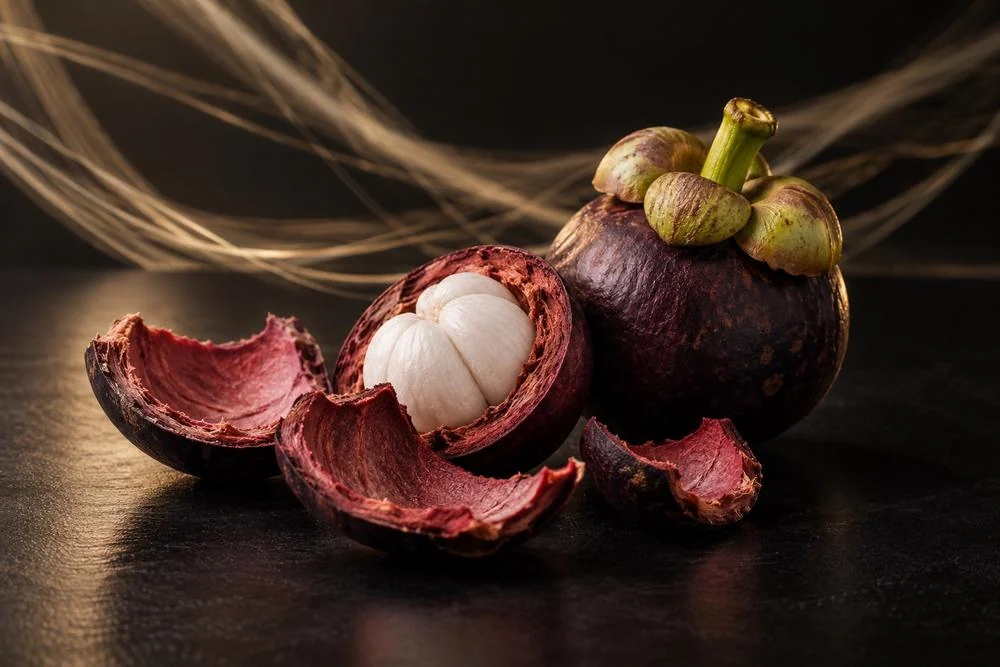
01 · In joint developmentXanthones from mangosteen pericarpXanthones · Garcinia mangostana
Co-designed with the silk system to assess dispersion, stability of the active and compatibility in formulas
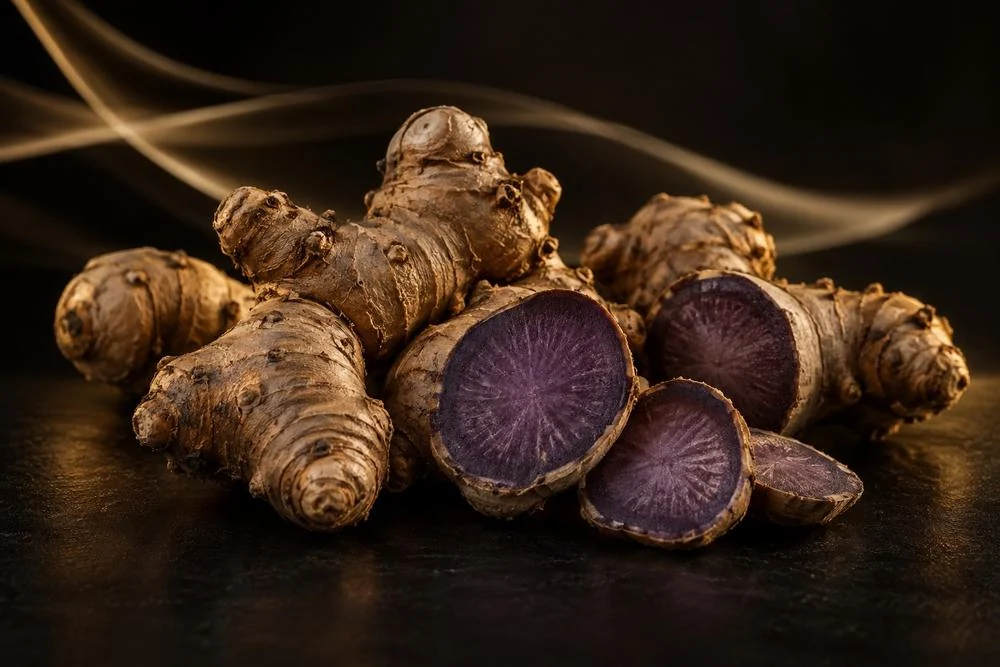
02 · In joint developmentPolymethoxyflavones from black gingerPolymethoxyflavones · Kaempferia parviflora
Studied together with the silk system to design the raw-material format and formula, and to assess retention of the active and usability
Next flagship activesSelected from the TIBD and Zubb Biotech extract libraries · data from the Zubb Biotech 2026 catalog · plant-source concept images

03Zubb Biotech · ZBT-0028
Anthocyanin from pink lotusNelumbo nucifera- Marker compound
- Anthocyanin (cyanidin-3-glucoside)
- Format
- Powder
Data with Silk Crystal: none yet
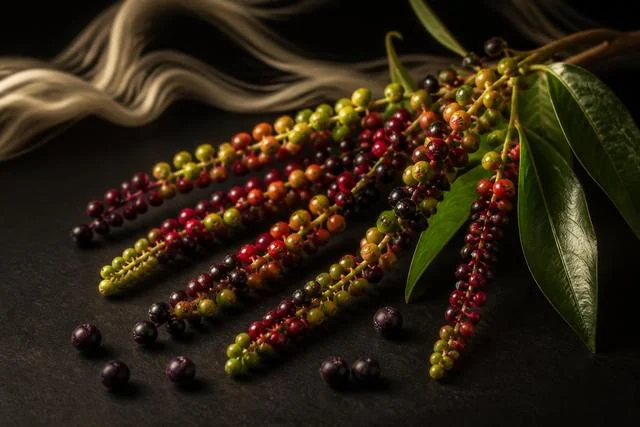
04Zubb Biotech · ZBT-0036
Anthocyanin from mao berryAntidesma spp.- Marker compound
- Total anthocyanins
- Format
- Powder · THAI GI
Data with Silk Crystal: none yet
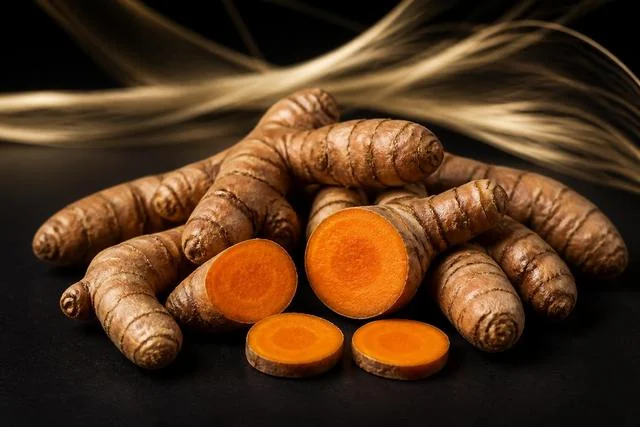
05TIBD · Zubb Biotech · ZBT-0004
Curcuminoids from turmericCurcuma longa- Marker compound
- Total curcuminoids ≥90%
- Format
- Powder · THAI GI
Data with Silk Crystal: none yet
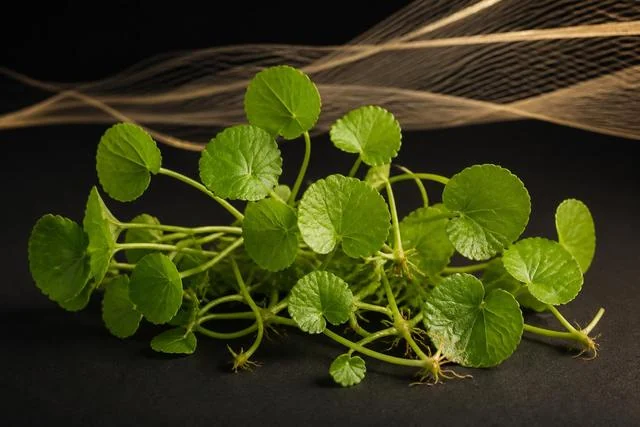
06TIBD · Zubb Biotech · ZBT-0100
Triterpenes from centellaCentella asiatica- Marker compound
- Triterpenes (asiaticoside) 2%
- Format
- Nano / encapsulated
Data with Silk Crystal: none yet
Step 1Design the combined system
Select the silk structure, the form of the active and the formula composition to fit the intended use
Step 2Build comparative evidence
Study compatibility, stability and test results of the combined system against each component alone
Step 3Grow it into joint IP
Build know-how on the material system, the formula and the data set, to differentiate raw materials and products
Synergy is the goal of the joint development. Any enhanced effect or performance must be proven by testing the specific system
Research and evidence
Interesting claims need evidence you can check
Material-structure data, laboratory results and formula tests in volunteers are presented separately, so it is clear what question each level of evidence answers
3%Silk Crystal in the test cream
28days, study duration
40volunteers
These figures describe the study design, not its results. Endpoints and statistics are pending review of the full report
Under the electron microscope the silk-fibroin sheet is a dense, porous network. Water-holding figures are not quoted here: a 2012 magazine feature reported up to 50 times its weight, and other documents give different values
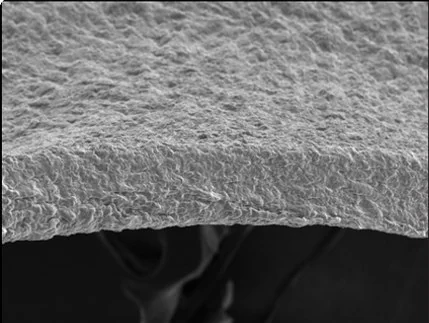
A process for producing silk fibroin powder, filed in 1999 and granted in 2002; the patent has since lapsed. Cited as research history, not as confirmation that today's Silk Crystal is protected Read the referenced patent record
Described by FINECO as a self-shrinking silk hydrogel mask of about 96.5% Silk Crystal: not a sheet soaked in essence, the mask itself is a micro-network protein structure. FINECO lists four intended functions: moisturizing, a tightening feel as the sheet contracts, absorbing excess oil and cooling. These have not been tested by TIBD
In vitro data: Silk Crystal Gold ComplexLaboratory data from FINECO · not product claims
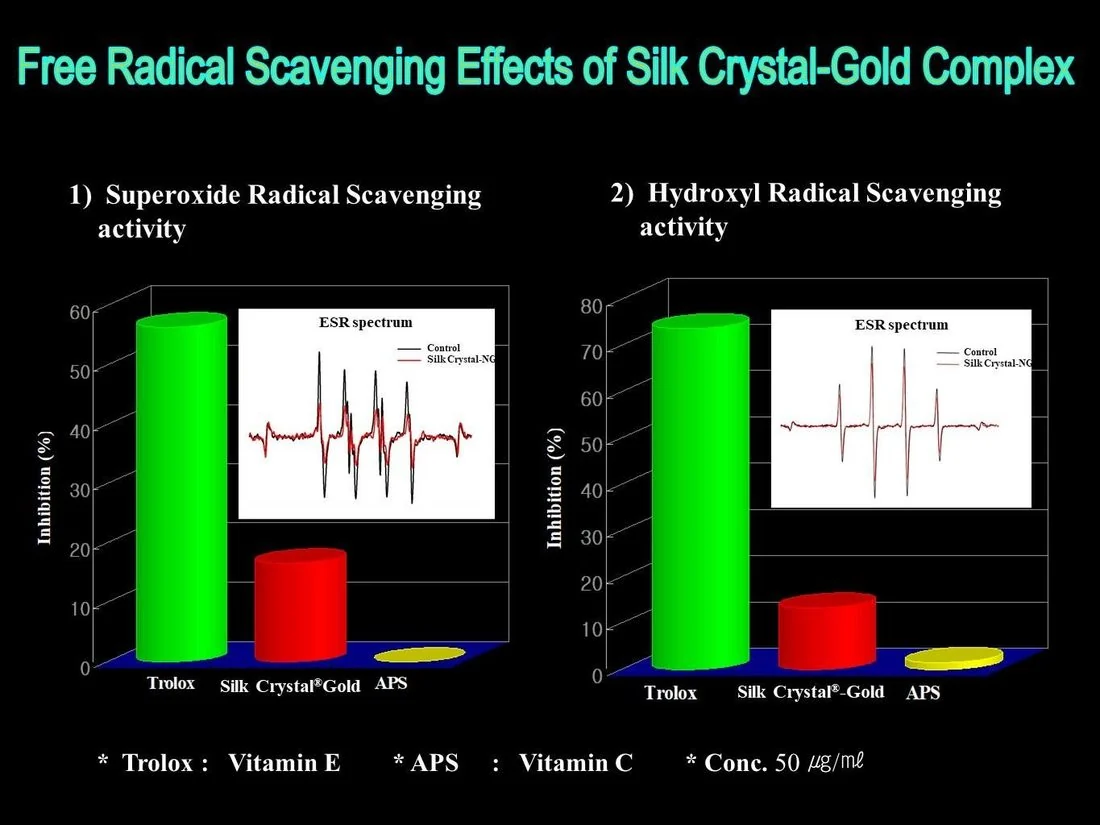
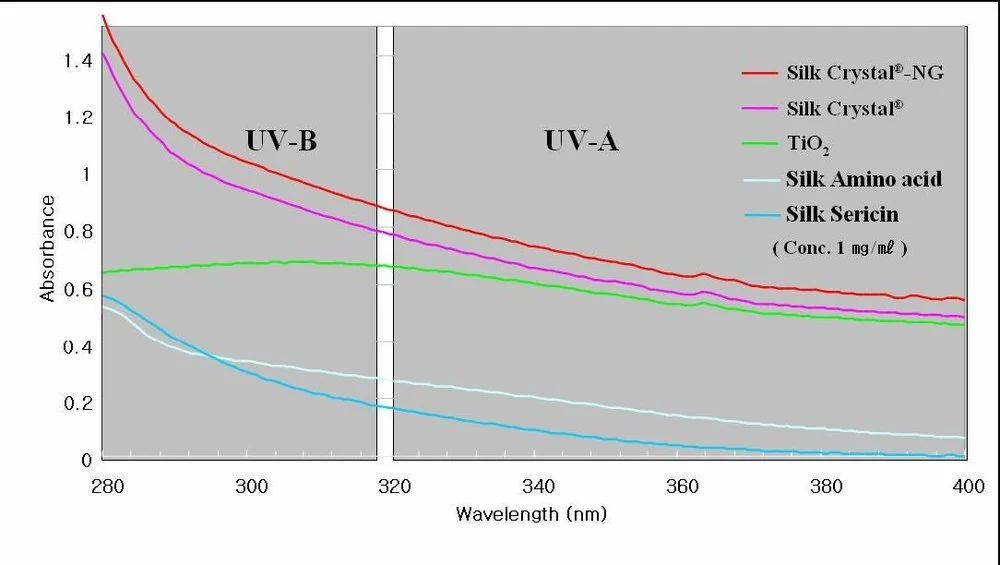
Full test reports · Not available yet, to be added
Image gallery
Tap or hover a thumbnail to enlarge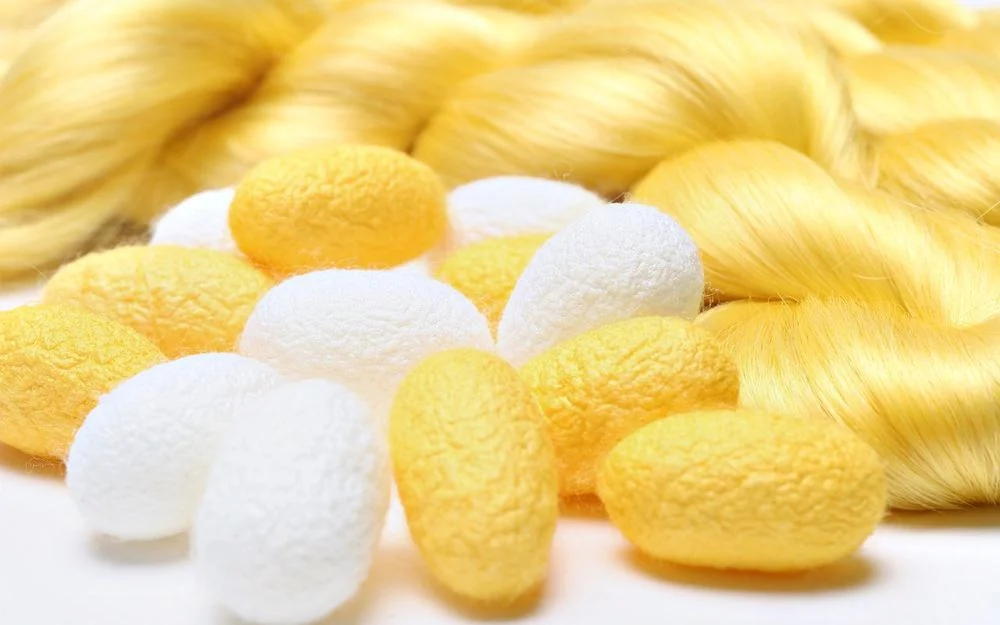
Develop with TIBD
Turn a business brief into a testable development plan
Three ways to work with TIBD and Dr. Garbeen Yim's team. Choose the route that fits your brief
Route 01Intellectual property development
Co-develop Silk Crystal and FINECO's silk materials with Thai botanical actives, with a defined test plan and an agreed scope of rights in the results
Route 02Raw materials and products
Ask about available raw materials and products, with specifications, quality documents and guidance for formula trials
Route 03OEM manufacturing in Korea
Assess manufacturing in Korea against the brand brief, confirming product category, factory, documents and terms project by project
How a project runsTypical sequence · scope, timing and cost are agreed in writing for each project
- 1Brief
Product type, target market, intended claims and price point, discussed with the TIBD team
- 2Material match
Choose from the six silk materials and request specifications and samples through TIBD
- 3Formula trials
Prototype formulas, including combinations with Thai botanical actives where the brief calls for them
- 4Test plan
Stability, safety and any claim tests, planned against the cosmetic rules of the target market
- 5Scale-up
Move to production through raw-material supply, OEM in Korea, or a joint-IP agreement
What you receive
- A written scope and test plan for your brief
- Material documents and samples, subject to availability from FINECO
- Prototype formulas and trial results from each round
- One contact point in Thailand for the whole project
Have a brief ready?
Send the product idea and target market. The TIBD team replies with the next step
Coming soonThe researcher's view on joint development and scaling up to production · from the interview with Dr. Garbeen Yim
Applications
Start with the product brief, not the ingredient name
Three product groups where the material and its mechanism are already described. Each still needs a brief and tests of its own
Skin care
Silk Crystal gel for creams and serums, where water and oil are held in the fibroin network. Silk–gold complexes extend the range to serums and essences
Read in depth
No articles yet · To be addedHydrogel masks
A self-shrinking silk hydrogel sheet of about 96.5% Silk Crystal. FINECO lists four intended functions: moisturizing, a tightening feel as the sheet contracts, absorbing excess oil and cooling
Read in depth
No articles yet · To be addedHair care
Silk Crystal Veil: liquid in the bottle, film on the hair. Liquid fibroin deposits on the fiber and sets into a β-sheet film on drying and heat, which FINECO describes as water-resistant. Rinse-off and leave-on grades
Read in depth
No articles yet · To be addedHow Silk Crystal Veil works on damaged hair
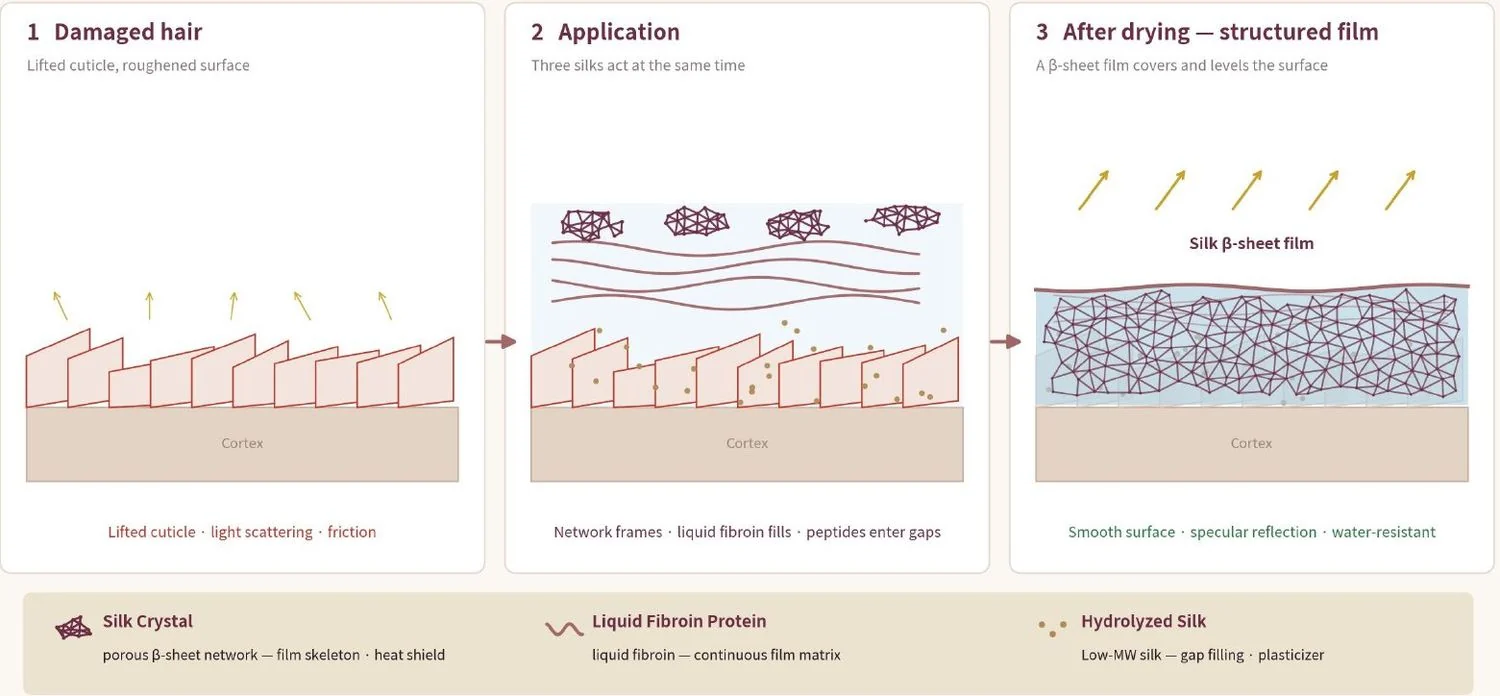
- In the bottleSilk I: soluble and stable, held by polyols and trehalose
- ApplicationDeposits on the fiber
- Drying and heatWater evaporates and the silk concentrates
- RecrystallizationSilk II (β-sheet): a film FINECO describes as water-resistant
Product claims must be checked against local cosmetic regulations before use
Questions before a project starts
Before you start
Have a project-specific question?
Bring your product goals to the TIBD team
Contact the team →How is Silk Crystal different from ordinary silk protein?
FINECO describes conventional cosmetic silks (hydrolyzed silk, sericin and silk amino acids) as water-soluble. Silk Crystal keeps silk fibroin as a porous three-dimensional network instead of breaking it down. Performance comparisons with other raw materials still need testing under the same conditions
How does Silk Crystal Veil stay on the hair?
FINECO describes three silks working together. Liquid fibroin is kept stable in the bottle by polyols and trehalose, then drying and blow-dryer heat convert it into a β-sheet film built around the Silk Crystal network, which the document describes as water-resistant. Wash resistance in your own formula should be confirmed by testing
Can raw-material test results be used to support our formula?
They can inform formula design and the test plan, but they do not replace results for the finished formula, which depend on concentration, composition and method of use
Is it notified as a cosmetic in Thailand yet?
This page does not state any product's status. The notification number, responsible party and formula of each product must be checked before sale
How does OEM manufacturing start?
It starts with the product category, target users, required volume and cost target. The team then assesses factories, requirements and a sampling plan project by project
Who owns jointly developed IP?
Background technology, new results, rights of use and market territory must be agreed in each project's contract before work begins
How is synergy assessed in joint development?
By comparing the active alone, the silk system alone and the combined system, at comparable active levels and conditions, before concluding that there is a synergistic effect
News and articles
Read more about Silk Crystal
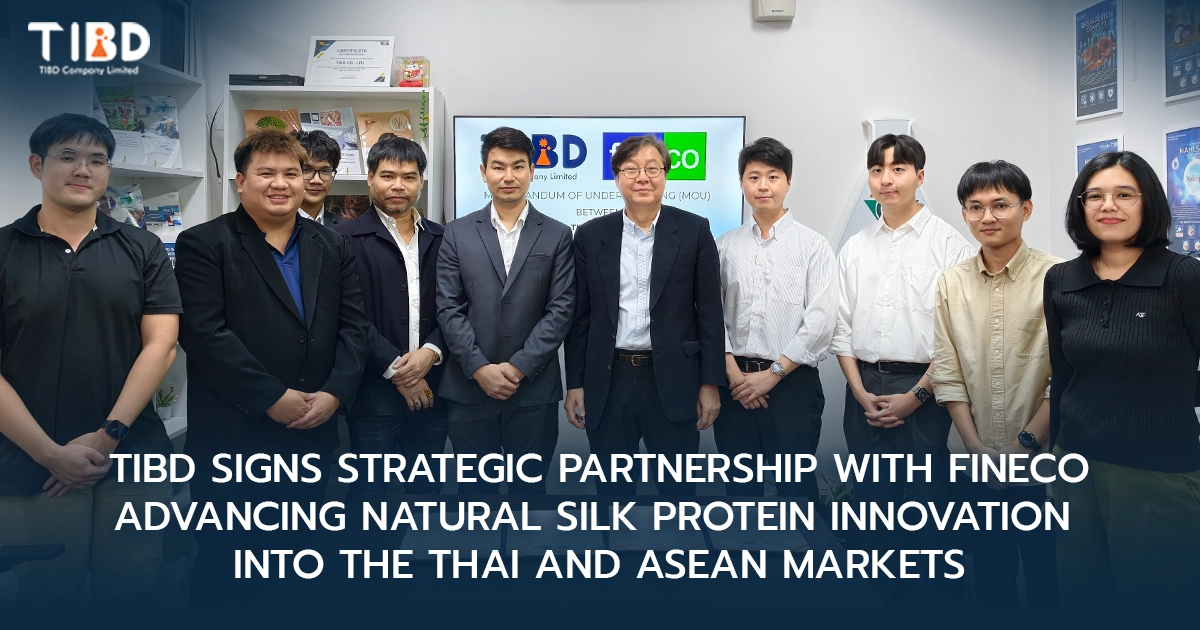 News · Memorandum of Understanding (MOU)TIBD Signs Strategic Partnership with FINECO Advancing Natural Silk Protein Innovation into the Thai and ASEAN Markets
Signed to develop silk protein innovation and advanced biomaterial technology and bring them to cosmetics and personal care products in Thailand and ASEAN
Signed 4 Mar 2026 · BangkokRead the news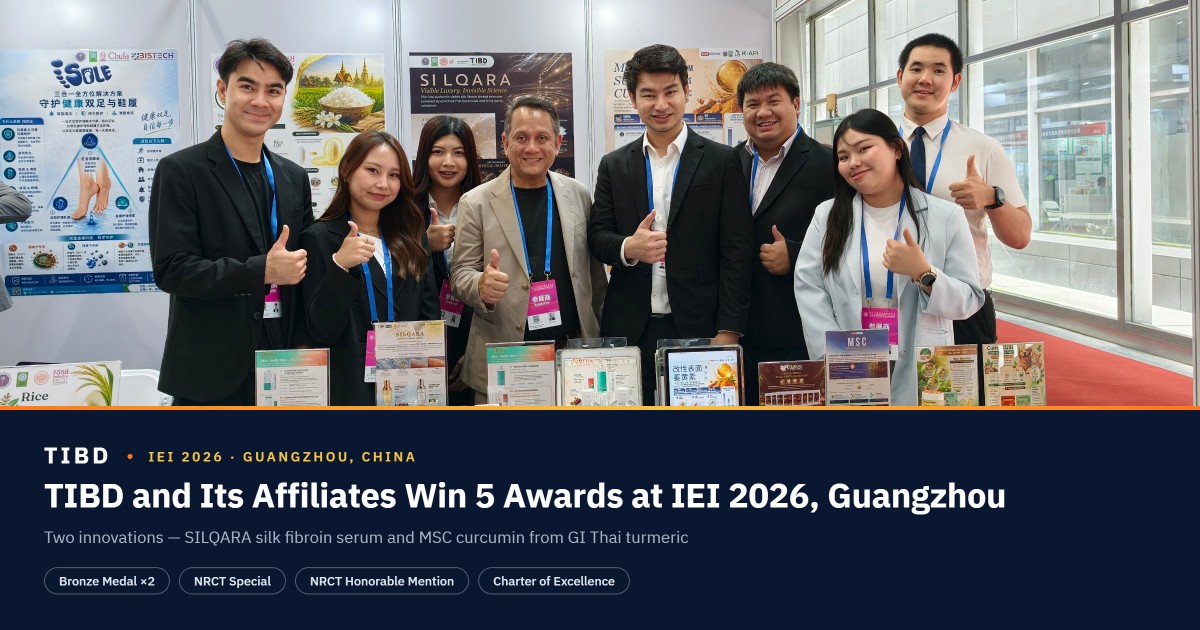 News · Invention exhibition in ChinaTIBD and Its Affiliates Win 5 Awards at IEI 2026 in Guangzhou
The entry built on silk fibroin technology received a bronze medal and an NRCT Honorable Mention at the 12th International Exhibition of Inventions
21–23 Aug 2026 · GuangzhouRead the newsPress · 2012Press · Beauty Cosmedica“Smooth as Silk”: Silk Crystal as a breakthrough in facial mask technologyTrade-magazine feature on silk protein and the Silk Crystal hydrogel mask
September 2012 · page 68Print feature · not available onlineComing soonInterview with Dr. Garbeen Yim · his path from fermentation to Silk Crystal, and why FINECO is looking to Thailand
Co-develop from your business brief
Closing quote from Dr. Garbeen Yim · Not available yet
Have a product brief built on silk?
Bring your product goals to the TIBD team
Technology ownerDr. Garbeen Yim · FINECO LTD.
Silk Science: Silk Crystal, silk–gold complexes and microencapsulation
Business development partner in ThailandTIBD Co., Ltd.
Thai botanical actives, formulation development and route to market
TIBD Co., Ltd. · Deep Tech Innovators / 02Photographs and figures courtesy of FINECO LTD.