Surface Modification Service
Enhance Active Ingredient Efficiency for Next-Level Extract Development
Surface Modification Service
Enhance Active Ingredient Efficiency for Next-Level Extract Development
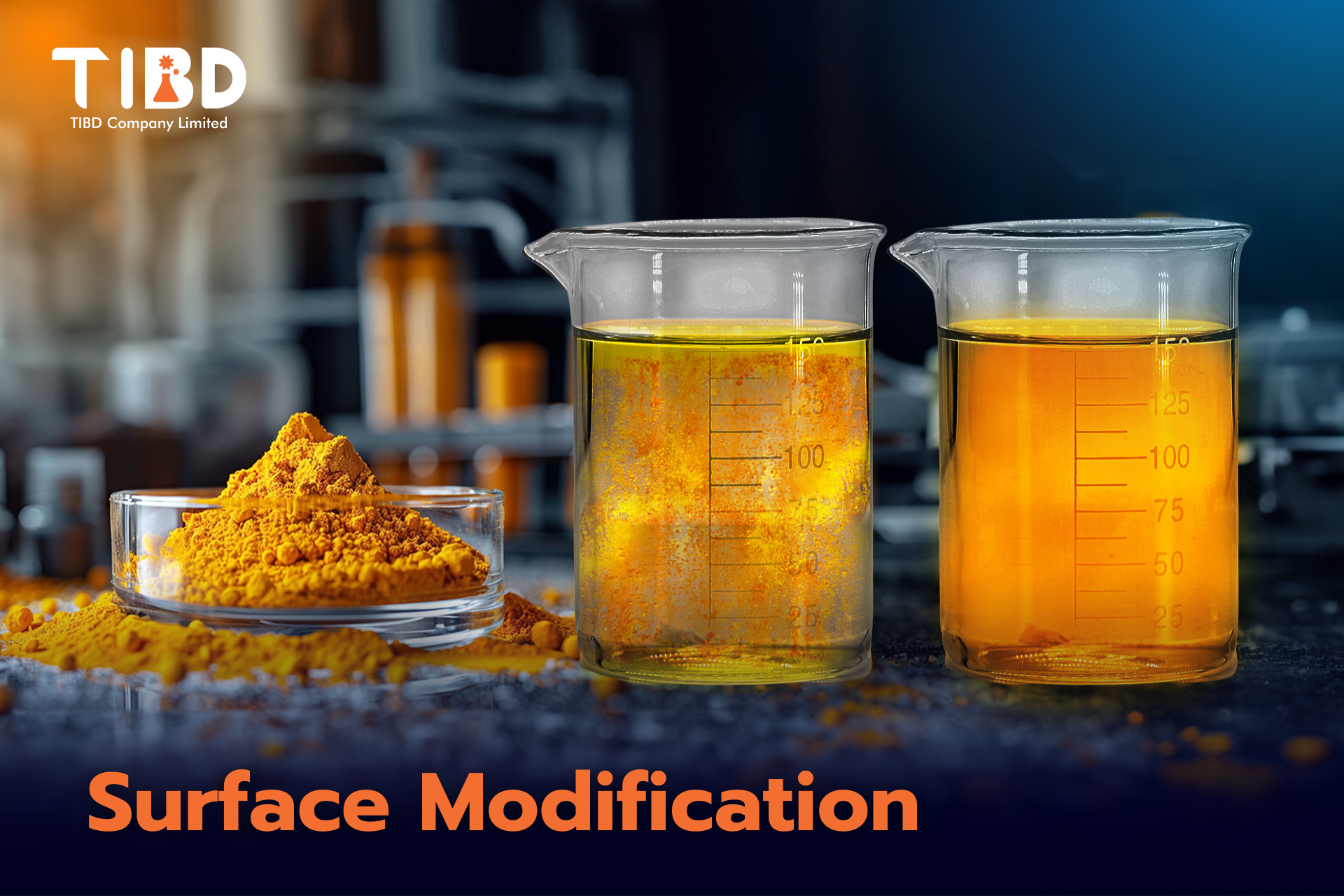
Amid rapid technological advancements and an increasingly competitive market, developing extracts that boast high efficiency and versatile applications is a core pursuit for entrepreneurs and researchers in numerous fields—ranging from dietary supplements, cosmetics, and health products to agricultural inputs. However, a commonly overlooked aspect that can significantly elevate “active ingredient” value and performance is surface modification. By adjusting or coating (coating) the outer structure of raw materials—be they natural extracts or synthetic substances—this process allows them to perform optimally across various environments. It also expands the potential uses of each “active ingredient,” enabling products to stand out in the marketplace.
Natural raw materials—like herbal extracts, biological components, or refined chemical substances—are often highly sensitive to environmental factors such as moisture, light, or elevated temperatures. This sensitivity can degrade active ingredients prematurely. A “surface modification” process effectively acts as an extra protective layer, preserving the full capacity of each active ingredient. Moreover, once properly coated or modified, these extracts exhibit improved resilience to manufacturing conditions (e.g., heat during pasteurization) and longer shelf life.
When developing an extract to be blended with other ingredients or compounds, issues often arise—such as an active ingredient that dissolves only in specific solvents or that precipitates in certain chemical environments. Surface modification upgrades the substance’s ability to disperse and prevents agglomeration. This improvement retains the ingredient’s quality more effectively and yields a stable formulation suitable for commercial release.
Shelf life is a paramount concern in health, dietary supplement, and cosmetic industries, as consumers expect products to maintain consistent quality over time. Surface modification helps raw materials endure moisture, UV rays, or temperature fluctuations. This reduces the risk of degradation and fosters producer and consumer confidence, minimizing the chance of product recalls.
Modern consumers emphasize health, eco-friendliness, and product purity. Enhancing extract development and raw material surfaces preserves a natural profile while adding beneficial traits—such as pH or heat tolerance—thus reducing reliance on synthetic preservatives or harmful solvents. It also tailors formulas for niche consumer requirements, such as those with allergies or seeking allergen-free products.
Although certain potent actives excel at specific tasks, their limited solubility or narrow pH requirements can restrict commercial applications. Surface modification can transform these substances to thrive in broader conditions (e.g., rendering them water-soluble or placing them in an ionic form), driving innovation in new functional beverages, specialized cosmetics, or other advanced product lines.
In a fiercely competitive environment, product differentiation is critical. Surface modification grants active ingredients an edge—whether it’s prolonged shelf stability, enhanced bioavailability, or novel texture. These advantages captivate consumers seeking innovative, superior-performing choices.
In an age when consumers care profoundly about health, quality, and sustainability, an ingredient mixture approach that leverages surface modification is pivotal for transforming extract innovation into market-winning products. Equipped with skilled R&D teams, advanced analytical capabilities, and systematic protocols, a specialized partner can simplify your R&D journey while driving product excellence from raw materials to the consumer shelf.
For entrepreneurs aiming to expand their product lines with natural extracts or develop new, health-focused innovations, collaborating with an experienced surface modification provider is the quickest path to long-term success—conserving valuable time and R&D costs.
Contact us now! Our seasoned professionals bring cross-industry experience in research, formula development, and standard-compliant manufacturing, all under a cohesive surface modification approach that meets your business targets. Click here to learn more.
No account yet?
Create an Account