

Cold Plasma / UC05
Use case UC05 · Seedling readiness
Seedlings have emerged. Are they ready together?
1,000 seedlings do not necessarily mean 1,000 usable plants. This article helps you define readiness, choose measures that relate to your operation, and test DBD seed treatment or PAW irrigation with your own lot.
Research by Assoc. Prof. Dr. Siwapon Srisonphan and the Plasma Innovations team, Department of Electrical Engineering, Kasetsart University
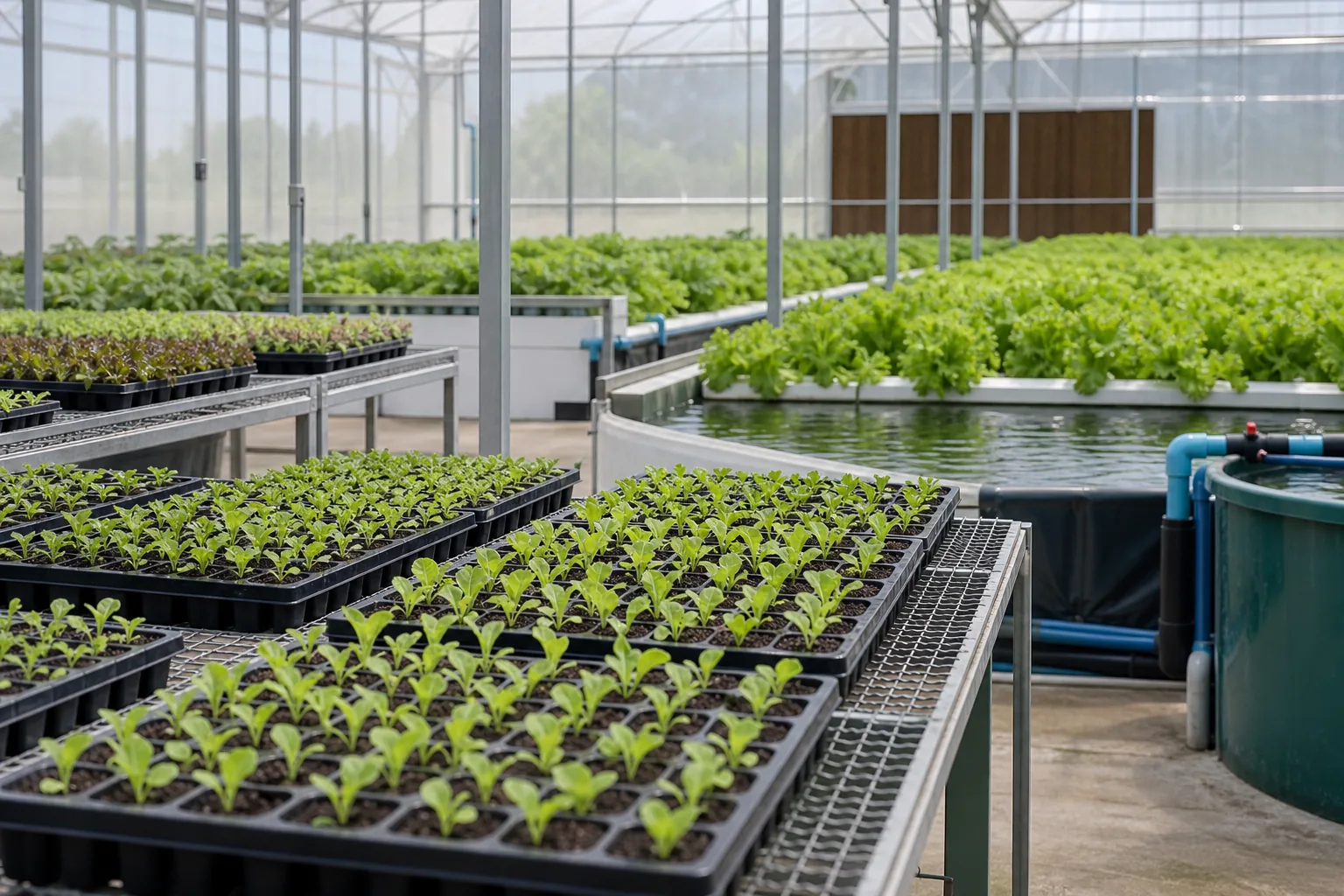
2 routesDBD seed treatment before sowing and PAW water during growing, tested separately or together
3 cropsRice, cabbage and Chinese kale in the team's cited research
Use dateCount seedlings that meet your readiness criteria on the handover day, not just germination
Figures in this article are laboratory results under the conditions of the cited studies. Results with your own lot or growing system need to be tested.
1,000 seedlings does not necessarily mean 1,000 usable plants
On the day you need to transplant, hand over or harvest, the key question is how many plants are ready for use
Uneven emergence
Some plants are ready earlier while others lag behind, making a single lot harder to manage
More sorting and rearranging
Variation in size or quality can add sorting, waiting and replacement work
Uncertain readiness dates
Planning space, labor and handover to the next stage becomes harder
An unclear bottleneck
The problem may involve seed condition, hydration, seed health or early development. Each calls for different measurements
Today
Seedlings have emerged, but the usable count is unclear
Variable size → Repeated checks → Uncertain handover dates
The goal
Define the criteria, identify the bottleneck and measure the ready fraction
Know how many seedlings are ready on the required day and make nursery decisions easier
Key messageAim for enough seedlings that meet the criteria when your operation needs them
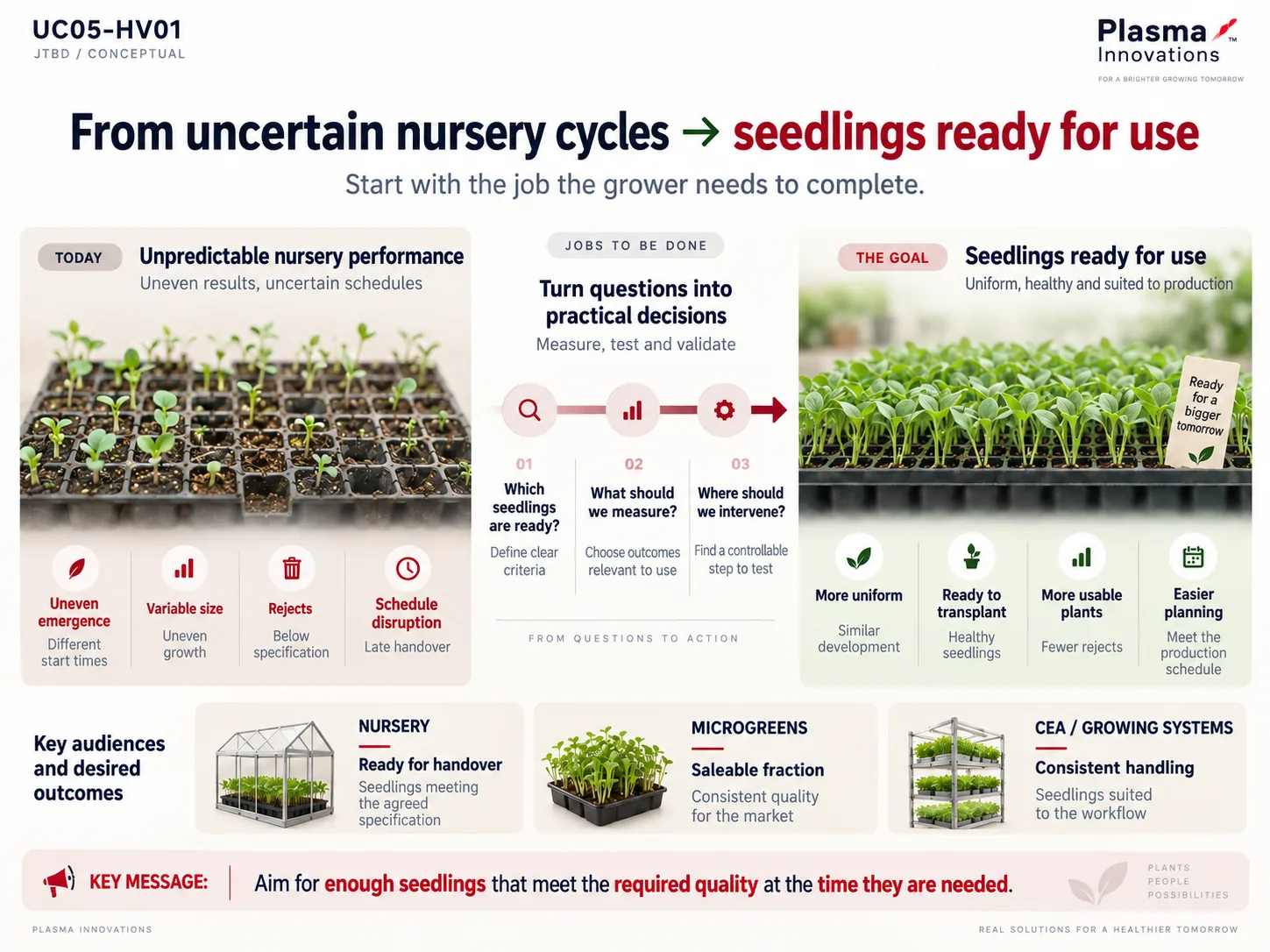
What do you need to deliver?
Nursery Seedlings ready to transplant on schedule Microgreen grower A saleable fraction that meets the criteria Seed / R&D team Know which step makes a useful difference CEA / Integrator A repeatable process with evidence to support scaling
Before asking whether seedlings are better, define what “ready” means
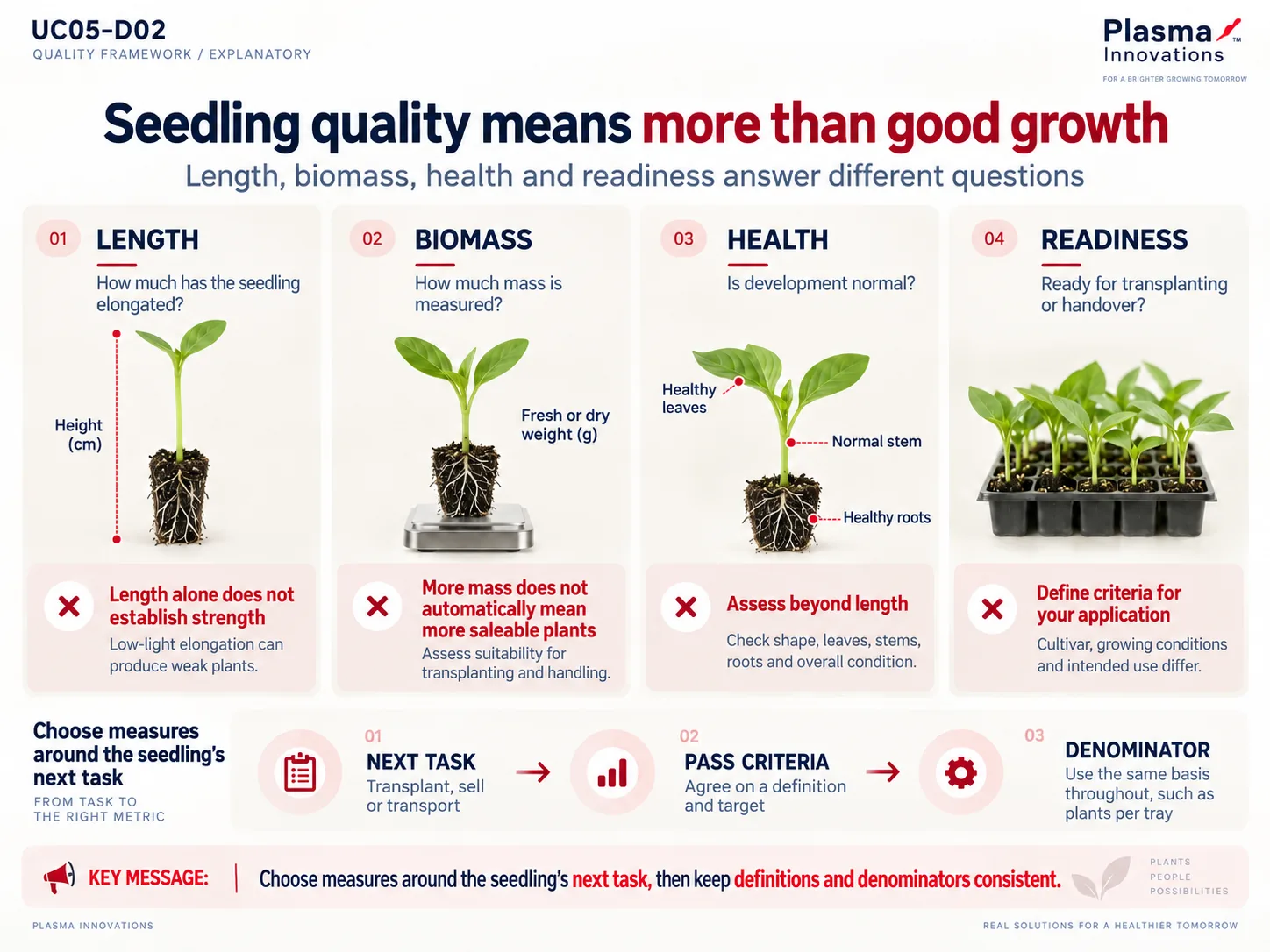
What makes a seedling “ready”?
A useful measurement helps you make a practical decision
LENGTH / DISTRIBUTION
How much have seedlings elongated?
Useful when growth rate or size variation is the bottleneck
Helps you decide: Whether early development needs adjustment
BIOMASS
Has the measured mass changed?
Specify fresh or dry weight; assess final quality separately
Helps you decide: Whether the response matters to the product specification
HEALTH / NORMAL
How many seedlings meet the health criteria?
Use when abnormal or unhealthy seedlings drive rejection
Helps you decide: Whether growth measurements alone are sufficient
READY-TO-USE FRACTION
How many seedlings are ready on the required day?
Define this practical outcome with the user; a threshold from one study is not universal
Helps you decide: Whether the process adds value to the actual workflow
Start with the problem you see
- Germination is already good, but seedlings are late or uneven in size → Assess early development and the ready fraction
- Seedlings emerge but are rejected for abnormality or poor health → Make health or normal-seedling assessment the primary outcome
- You cannot control seed preparation, but you can control the water → Explore a water-side / PAW route
- Seeds must wait or be stored before use → Follow the response through the intended use window
| Measurement | Question it answers | What it does not establish |
|---|---|---|
| Length / Distribution | How seedlings develop in length | Biomass or saleable quality |
| Fresh / dry biomass | Mass on the specified weighing basis | Nutritional value or season-long yield |
| Normal / healthy seedlings | Proportion meeting the stated criteria | Freedom from every pathogen |
| Readiness / Usable fraction | When seedlings are ready for handover, and how many | Requires a pilot using the user's criteria |
Key messageChoose measurements that fit the task, then keep definitions and denominators consistent throughout the pilot so results remain comparable
Start at a point you already control within the nursery process
Start by asking where your bottleneck is, then select an intervention whose contribution can be tested
SEED-SIDE BOTTLENECK
The problem begins at the seed surface or in the post-treatment response
Candidate: Direct seed treatment + Matched comparators
WATER-SIDE BOTTLENECK
You have more control over the water system than seed handling
Candidate: PAW route + water chemistry / quality controls
MULTIPLE BOTTLENECKS
Seed-side and water-side treatments may contribute together
Candidate: A factorial comparison to separate each step's contribution
UNKNOWN BOTTLENECK
The source of variation is still unclear
Start: Establish a baseline and run a diagnostic pilot before choosing a route
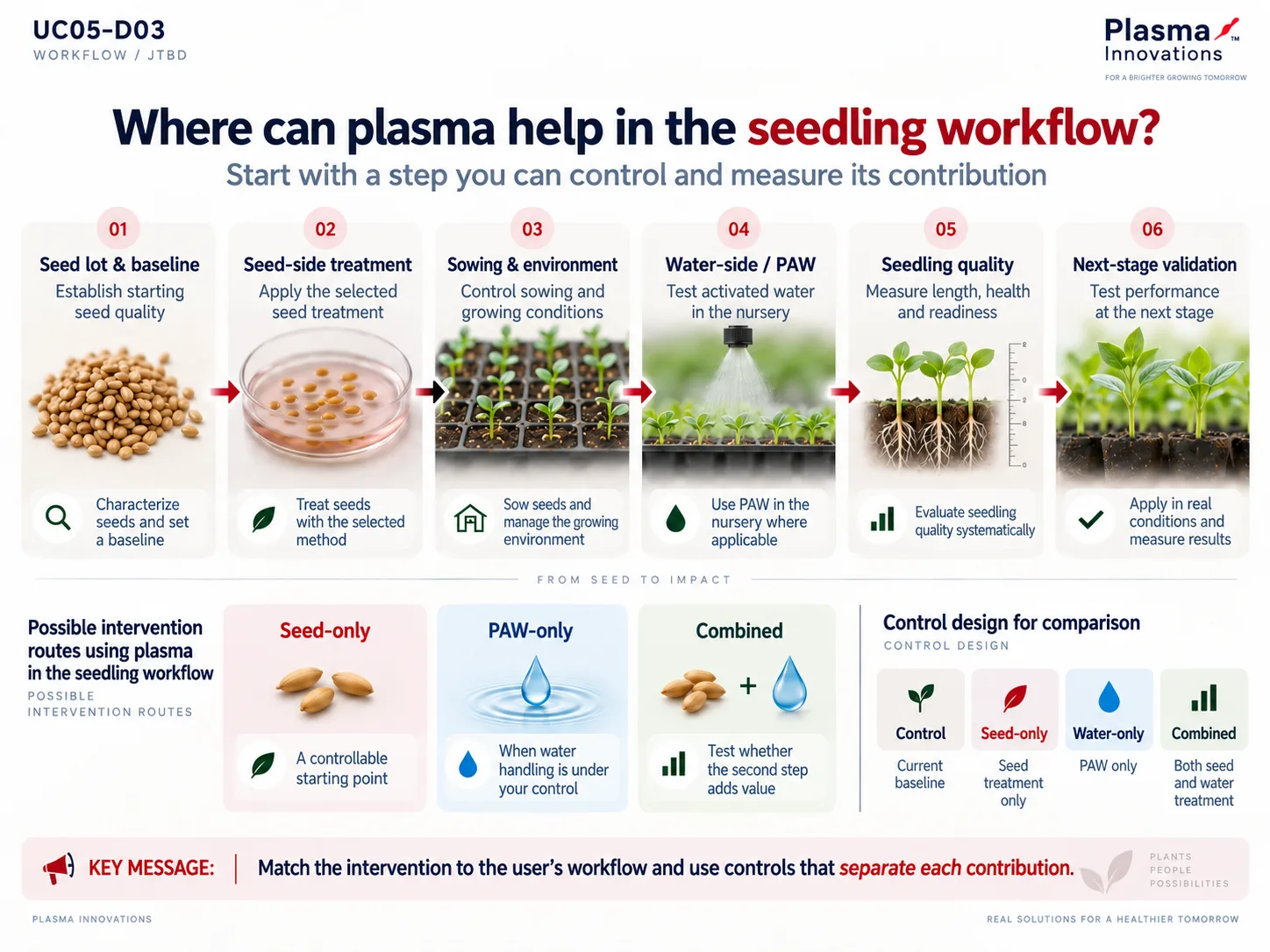
- 01 Seed lot & Baseline
- 02 Seed treatment option
- 03 Sowing / environment
- 04 PAW option + controls
- 05 Seedling quality
- 06 Next-stage validation
Key messageYou can start with seeds, water or both. Each route must answer: “Which problem does this step solve, and how will we know whether it justifies the added complexity?”
Even with good germination, seedling readiness may still improve
For some lots, the bottleneck is post-germination speed, uniformity or quality. Choose outcomes that match the problem your operation needs to solve
WHAT WE OBSERVED
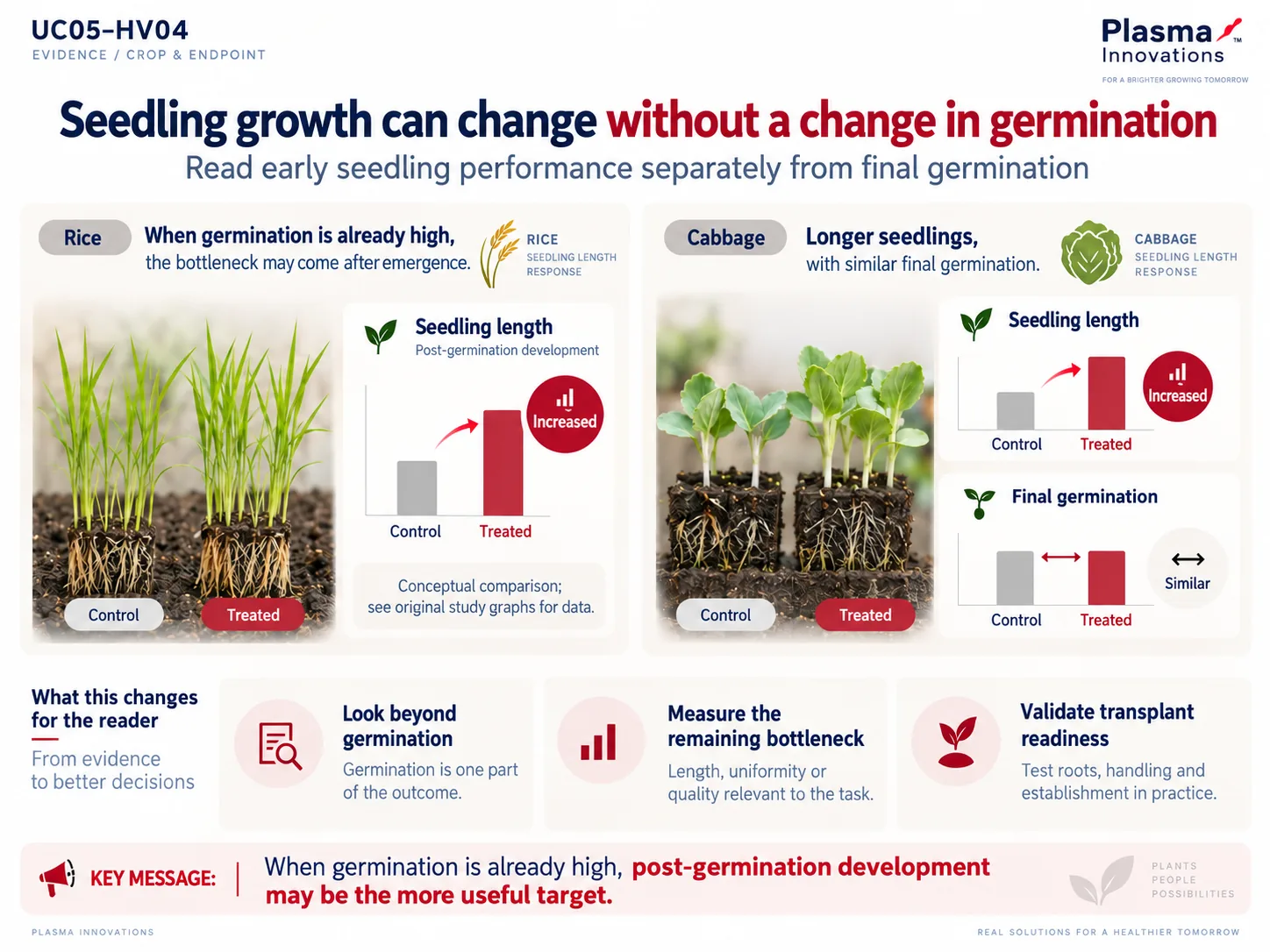
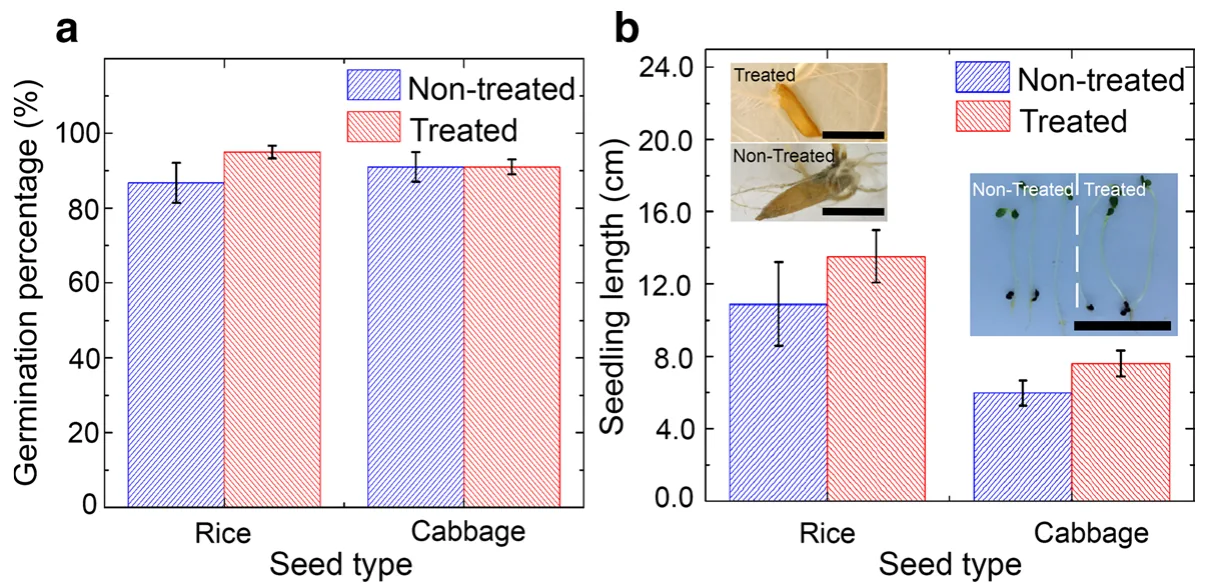
Seedling length can change without a corresponding change in final germination
Srisonphan et al. [6] reported increased seedling length in rice and cabbage under its experimental conditions, while cabbage final germination did not increase in the same way
WHY THIS MAY MATTER
When germination is not the bottleneck, measure what happens afterward
For a lot that already germinates well, the more useful question may be how many seedlings meet the readiness criteria on the required day
BOUNDARY
Length ≠ Readiness
Greater length still needs to be assessed against the product specification, root quality, handling and actual time of use
Key messageEvidence should lead to a more useful question: If germination is already high, which outcome is still limiting your operation?
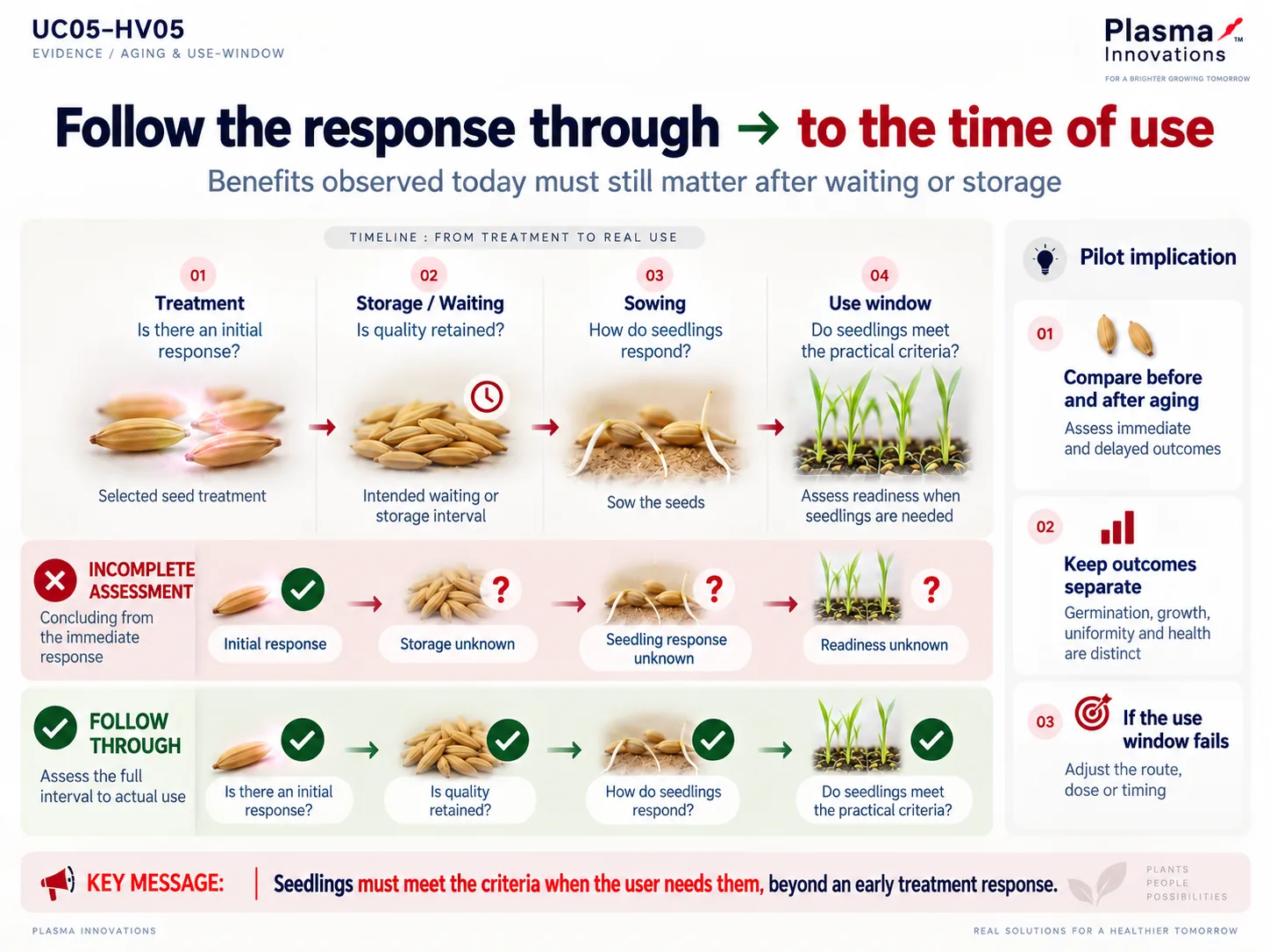
A useful response delivers more ready seedlings when you need them
Assess whether more seedlings meet the criteria by the day of transplanting or handover, alongside any early growth advantage
DAY 0 EARLY CHECK MID CHECK TARGET DAY
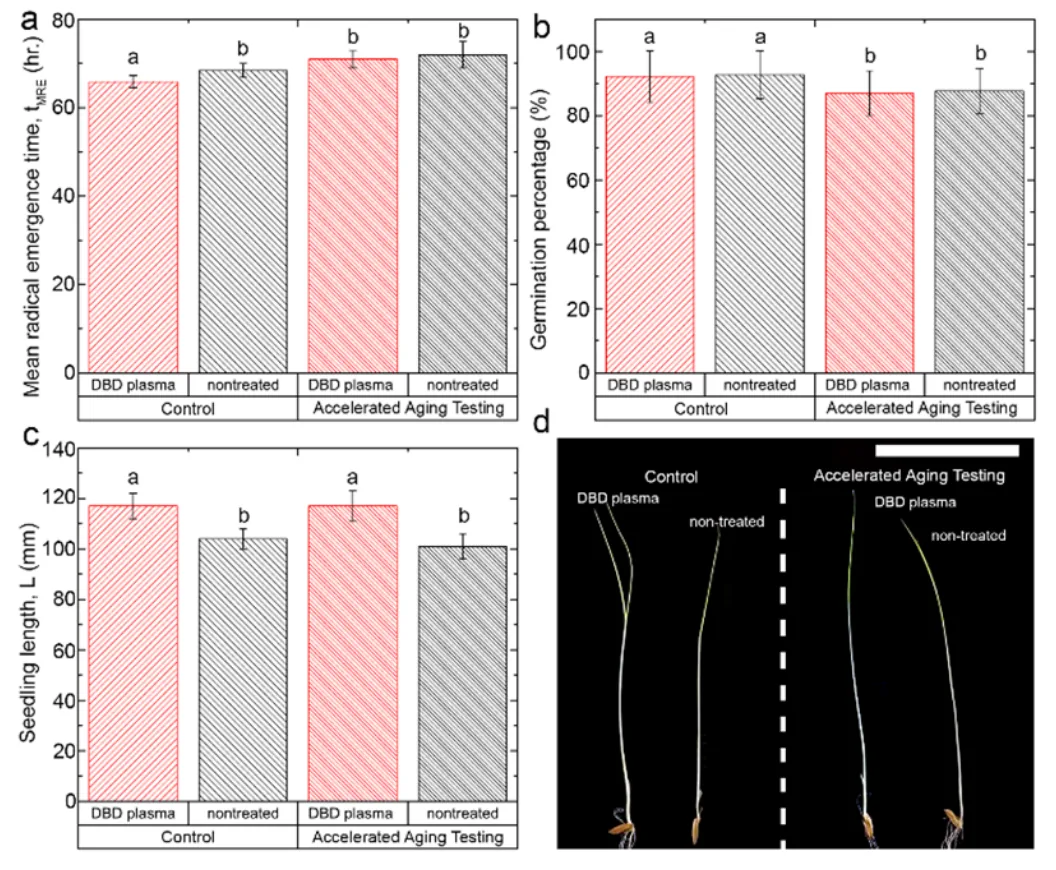
- Transient response An early lead disappears as the control catches up, or quality falls short → No demonstrated operational advantage yet
- Persistent response The response persists and readiness criteria are met at the required time → Proceed to the next trial stage
What this evidence helps you decide
Before comparing responses two or three days after treatment, define the target-use window first. Then measure both response and quality through the day of actual use
Key messageMeasure when the seedlings are needed, beyond the day the experimental result looks strongest
Know what contributes before adding another step or system
Separating each step's effects shows which parts help increase usable seedling numbers and which may be unnecessary
CONTROL DI / Baseline
The reference needed to determine whether a response is present
WATER-SIDE PAW
Test whether changing the water delivers the desired value
SEED-SIDE DBD + DI
Measure the response to seed treatment alone
COMBINED DBD + PAW
Test whether a second step adds enough value to justify its use
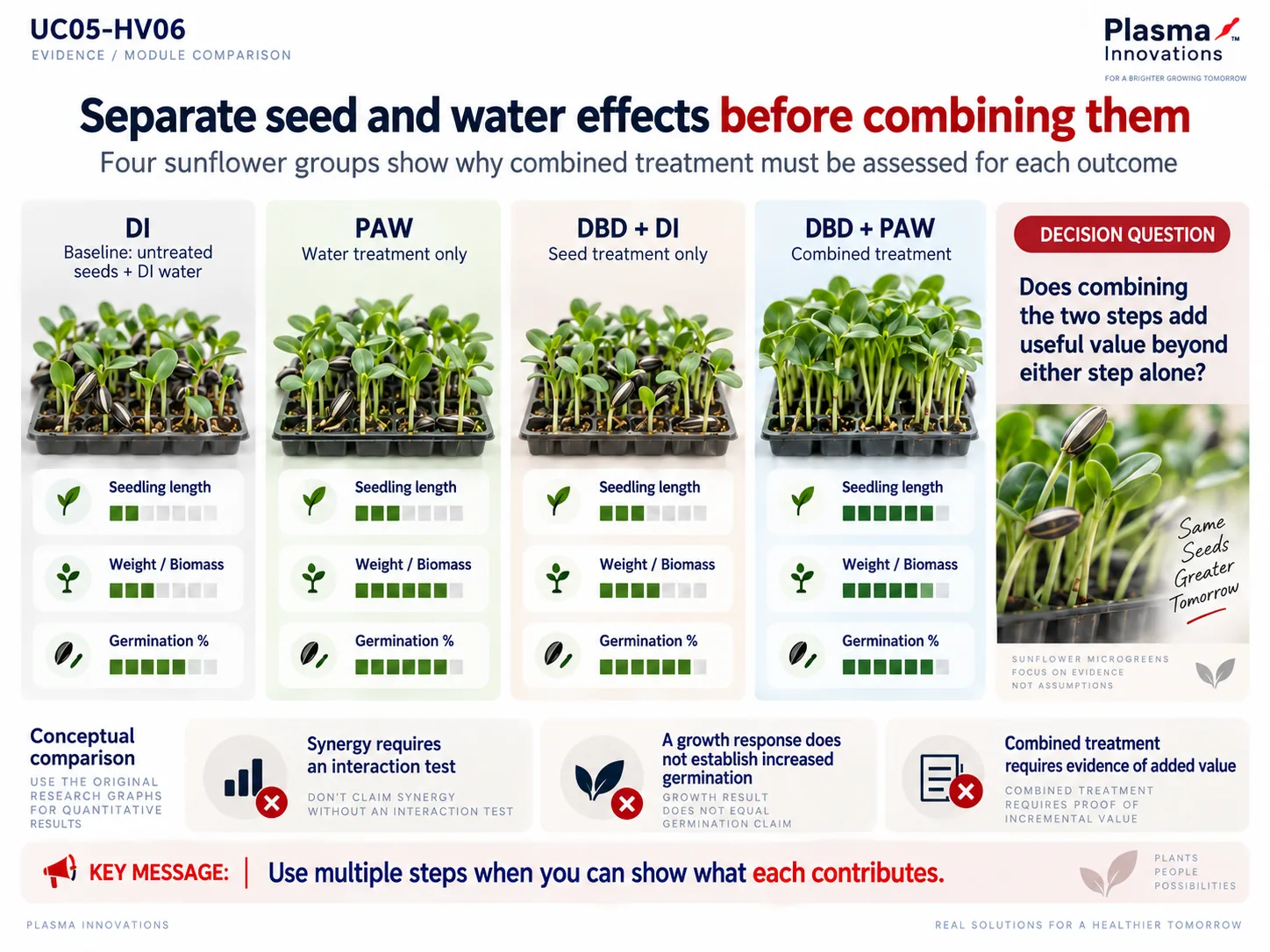
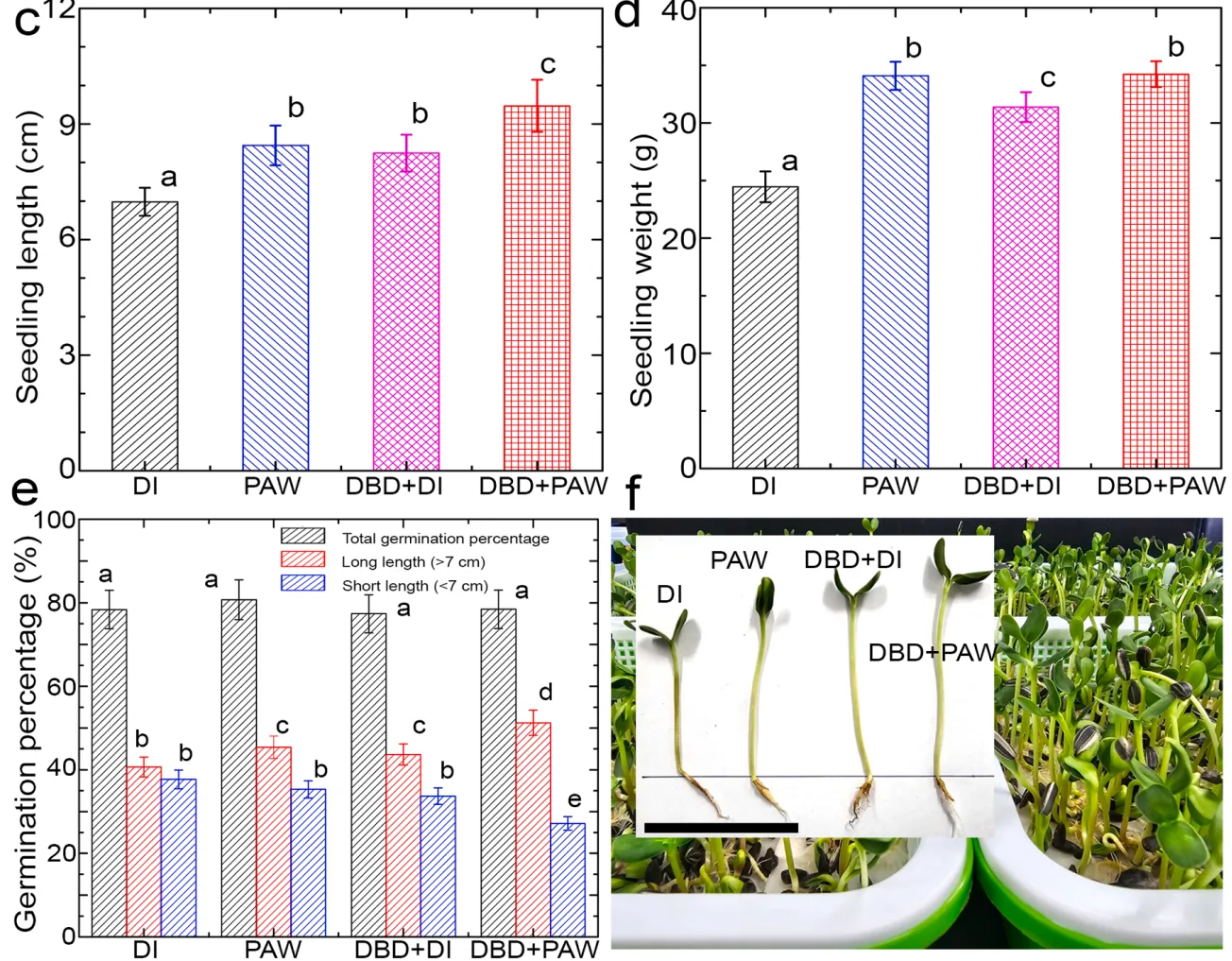
What these results show
The proportion of seedlings in the > 7 cm category changed between treatments in Srisonphan et al. [5], while total germination remained similar
For practical use: Use the height threshold as a starting point, then define readiness criteria for your own operation
Key messageAdd a step when it demonstrably improves usable seedling numbers or quality
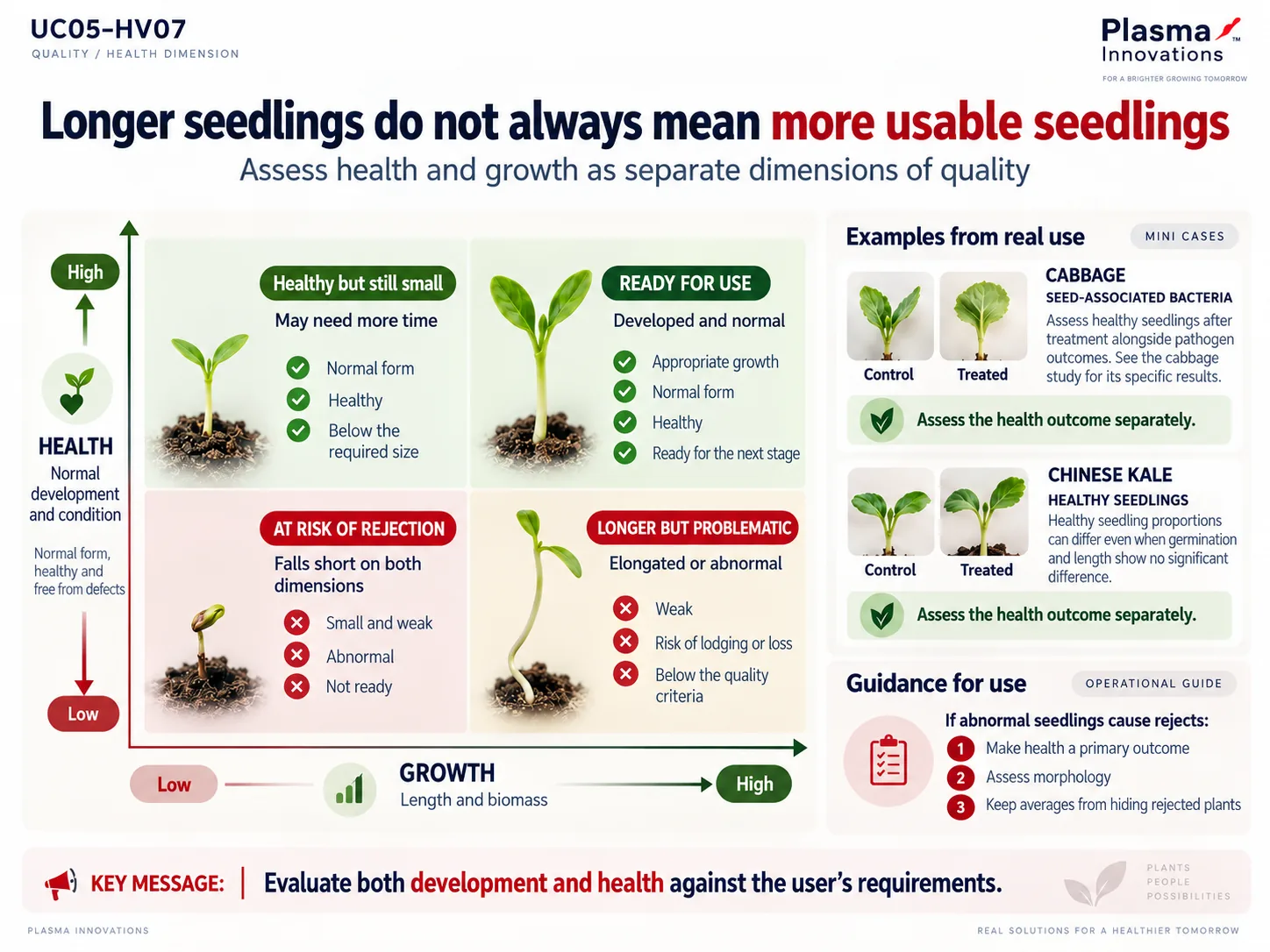
Bigger seedlings do not automatically mean more usable plants
If seedlings are rejected for abnormal form, poor health or inadequate quality, increasing average length alone does not solve the problem
AXIS A · DEVELOPMENT
Length / biomass / morphology
Describes the direction and rate of development
AXIS B · HEALTH / NORMALITY
Normal / healthy seedlings
Describes the proportion meeting health or normality criteria
FUNCTIONAL RESULT
Ready-to-use
Requires both development and quality to meet the needs of your operation
Suwannarat et al. [4] · CHINESE KALE
Natural-contamination context
Suwannarat et al. [4] reported differences in healthy seedlings between some groups, while germination and seedling length did not differ significantly. This supports assessing health and growth separately
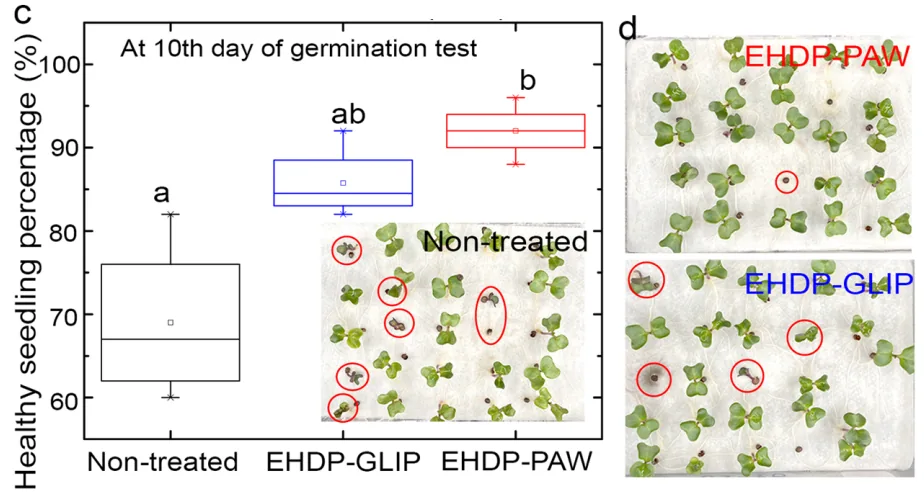
Suwannarat et al. [3] · CABBAGE
Bacterial seed-assay context
The figure below comes from a separate cabbage study and illustrates the health dimension. Interpret its percentages and conclusions within that study's own context
Key messageWhen quality drives rejection, make health and normal development primary outcomes from the start
Build the ability to make clearer decisions from your seedling trials
A biological response becomes useful when it connects to the ready fraction, intended use date, repeatability and workflow through evidence from your operation
OBSERVED Early seedling response Evidence from the specified experiment
→FUNCTIONAL HYPOTHESIS More seedlings reach your “ready” definition To be tested in the pilot
→OPERATIONAL METRIC Less sorting / waiting / replacement Measure in the actual workflow
→PROGRESS More predictable nursery flow
What the first trial should deliver
01 · Your baseline
Control data from your crop and lot
02 · Your readiness criteria
An agreed definition of readiness and intended use date
03 · Your bottleneck
Evidence on whether the constraint involves seeds, water, health or early development
04 · A route suited to your operation
A recommended route and Go / Revise / Stop criteria before further investment
A capability your team can use again: Move from guesswork to systematic testing, measurement and decisions early in production.
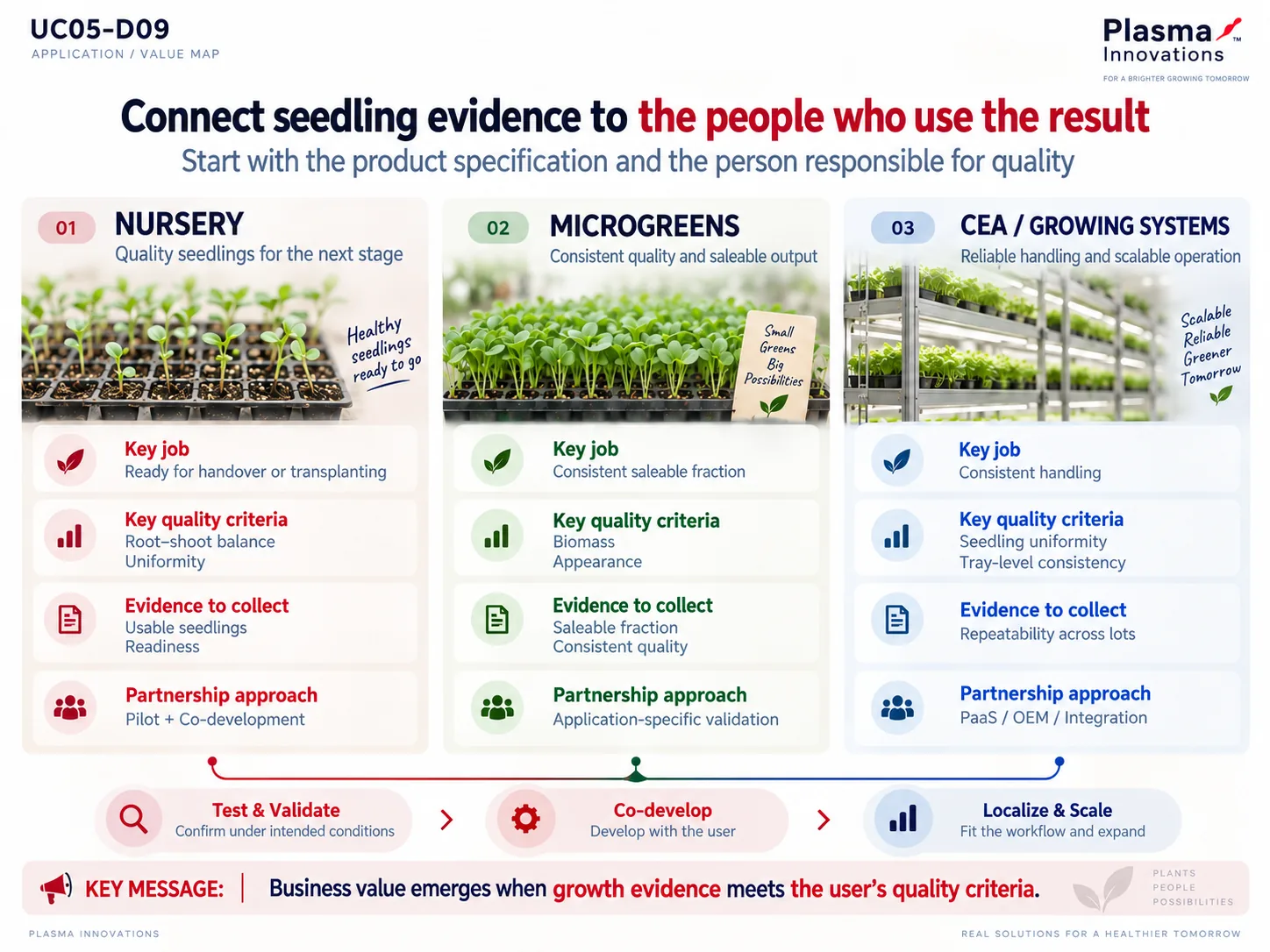
Choose the delivery model once the evidence is clear
A trial service, pilot treatment, Plasma as a Service (PaaS), process integration or OEM development may suit different operations. Choose the model around who controls the intervention and who is responsible for final quality.
| User / Problem | Application point / Potential value | Validation | Partner / possible path |
|---|---|---|---|
| Nursery / Uneven readiness | Before sowing / Usable seedlings | Readiness, normal seedlings and post-transplant follow-up | Nursery + Seed laboratory / Pilot → Integration |
| Microgreen grower / Saleable quality | Seed + water / product quality | Saleable fraction, biomass basis, quality checks | Grower + water specialist / co-development |
| Seed supplier / downstream quality | Seed treatment / Post-germination response | Multiple lots, delayed use and morphology | Seed laboratory + Nursery / Feasibility → PaaS |
| Cultivation integrator / repeatability | Water / Seed process step / Workflow fit | Water spec, handling, quality across runs | OEM + Grower / Process integration |
Key messageThe goal is to build early-stage production control capability that helps you identify what works, what is not worthwhile and what to do next
Understand what changes to choose a more targeted intervention
Surface changes, hydration and water chemistry help frame why seedlings respond differently and where to focus the next trial
Starting point Seed treatment / PAW
→What changes Seed surface / Water chemistry
→What to measure Hydration / Growth / Health
→Next step Retain / Adjust / Remove
What these measurements help answer
Surface wettability and water interactions help frame seed-side hypotheses, while PAW chemistry identifies water-side changes. These measurements do not by themselves establish the main cause of a growth response.
To distinguish nutrient-like effects from signaling or other chemical contributions, design controls that directly address that question. In real trays, assess the distribution of outcomes, root condition, handling and usable fraction against the functional target.
Key messageUse mechanism measurements when they inform what to test or change next, and keep practical performance central to validation
Know when to proceed, revise or stop
Results from an actual lot should support a clear decision: proceed, adjust the conditions or stop before investing further
Go
The target outcome is achieved · The response is repeatable under the defined conditions and there is a practical reason to proceed
Revise
A biological response is present, but the operational target is not yet met · Adjust dose, route, timing, measurements or the quality window before scaling
Stop
Target not met / High variability / Complexity outweighs the benefit · Stop before further integration investment
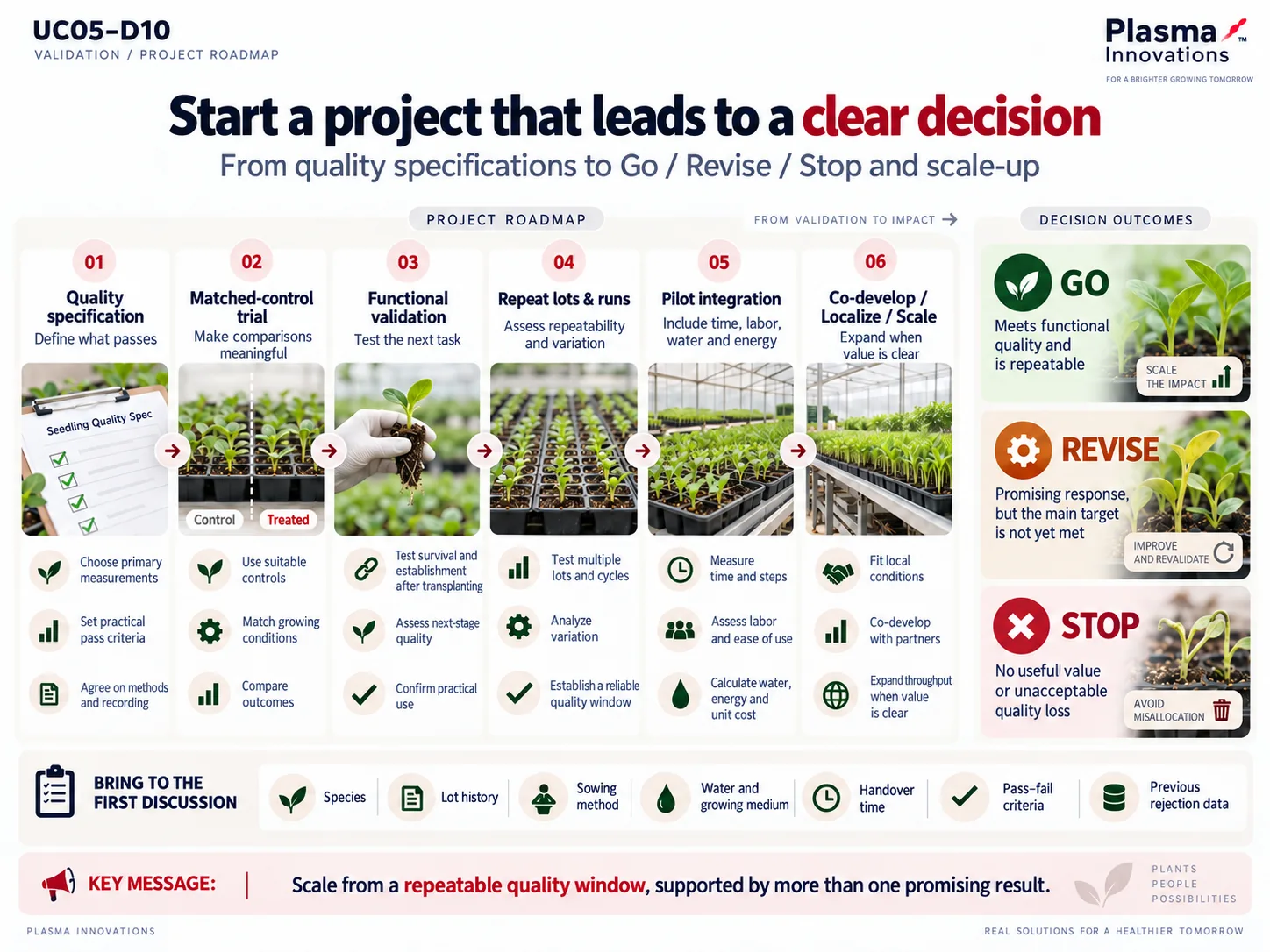
- 01 Quality specification
- 02 Matched-control trial
- 03 Functional validation
- 04 Repeat lots & runs
- 05 Pilot integration
- 06 Co-develop / localize / scale
01 Define readiness criteria 02 Compare with the baseline 03 Measure at the required time 04 Repeat across lots 05 Integrate with the process 06 Scale the application
Key messageProceed when value is clear, stop before wasting resources, and scale when results are repeatable
Start with the lot whose readiness you want to improve
Share the lot details, required use date and your definition of “ready”. Then design a trial around that question
What you provide
The problem and your current process
Crop / Lot · Current workflow · Required use date · Examples of acceptable and rejected seedlings · Rejection or variability data, if available
→What we test
A focused pilot with one primary question
Baseline · Matched comparators · Suitable route · Measurements relevant to the operation
→YOU RECEIVE
Evidence for a decision
Your baseline · Readiness definition · Bottleneck assessment · Recommended route · Go / Revise / Stop criteria
You can start the discussion with incomplete data
Seven details help us design the pilot: crop, lot history, sowing method, water and growing medium, handover time, pass–fail criteria and previous rejection data. Share what you have; completing the list need not delay the first discussion.
TEST THE MATERIAL · VALIDATE THE PROCESS · OWN THE DECISION
From “Could plasma help?” to “We know the bottleneck and the next step”
Start with an actual lot · Co-develop when value is demonstrated · Scale when results are repeatable
Start with your lot
Start with the lot whose readiness you want to improve, not with choosing equipment. Send the lot details, required use date and your definition of "ready" to the Plasma Innovations team at [email protected], and we will design a trial around that question. You can start the discussion with incomplete data.
Email the research team[email protected]See other cold plasma use cases →What to prepare
- Crop and lot history
- Sowing method, water and growing medium
- Handover time or required use date
- Pass–fail criteria with example seedlings
- Previous rejection data, if available
References
- Tephiruk N., Homkanchan S., Puttha J., Suwannarat S., Teerakawanich N., Kanokbannakorn W., Srisonphan S. (2025). CO2 reduction and seedling growth enhancement using dual-function gliding arc plasma system. Journal of Environmental Chemical Engineering, 13(5), 117567. doi:10.1016/j.jece.2025.117567
- Rongsangchaicharean T., et al. (2022). Effect of dielectric barrier discharge plasma on rice (Oryza sativa L.) seed hydration and hygroscopicity. Journal of Physics D: Applied Physics, 55, 365201. doi:10.1088/1361-6463/ac791d
- S. Suwannarat, N. Tephiruk, S. Sunan, K. Ruangwong, and S. Srisonphan, "Disinfection efficacy of electrohydraulic discharge plasma against Xanthomonas campestris pv campestris: A sustainable seed treatment approach," ACS Applied Bio Materials, vol. 7, no. 3, pp. 1469–1477, 2024, doi: 10.1021/acsabm.3c00862.
- S. Suwannarat, S. Homkanchan, J. Puttha, and S. Srisonphan, "Nonthermal plasma engineering for seed disinfection and germination using streamer corona and dielectric barrier discharges," Results in Engineering, vol. 26, Art. no. 104884, 2025, doi: 10.1016/j.rineng.2025.104884.
- Srisonphan S., Tephiruk N., Homkanchan S., Puttha J., Suwannarat S., Teerakawanich N. (2025). Synergistic DBD plasma and plasma-activated water enhance sunflower seed surface wettability and germination. Results in Engineering, 26, 105434. doi:10.1016/j.rineng.2025.105434
- Srisonphan S., Ruangwong K., Thammaniphit C. (2020). Localized electric field enhanced streamer cold plasma interaction on biological curved surfaces and its shadow effect. Plasma Chemistry and Plasma Processing, 40, 1253–1265. doi:10.1007/s11090-020-10098-8
- Molina R., et al. (2018). Influence of irrigation conditions in the germination of plasma treated Nasturtium seeds. Scientific Reports, 8, 16442. doi:10.1038/s41598-018-34801-0
- Cornell University CEA — Hydroponic Lettuce Handbook (2013). Nursery and grow-out are separate production stages. This floating-system handbook provides context for monitoring water and growing conditions
- Doss & South (2026), What are Indoor Vertical Farms? Virginia Cooperative Extension, SPES-818NP. Background on indoor vertical farming and growing systems