TIBD Supports ICRF2026, an International Rice Conference on One Health Rice
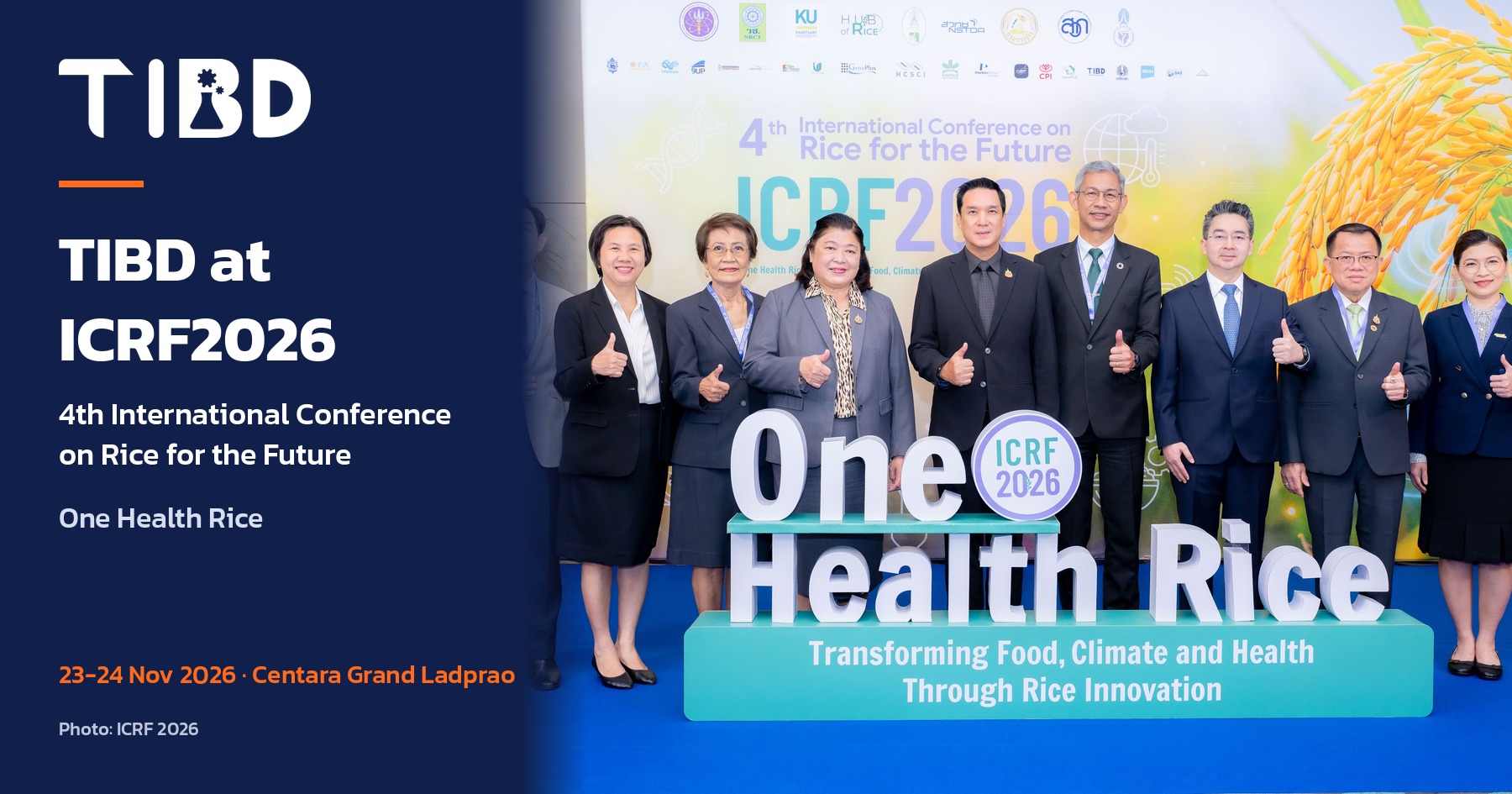
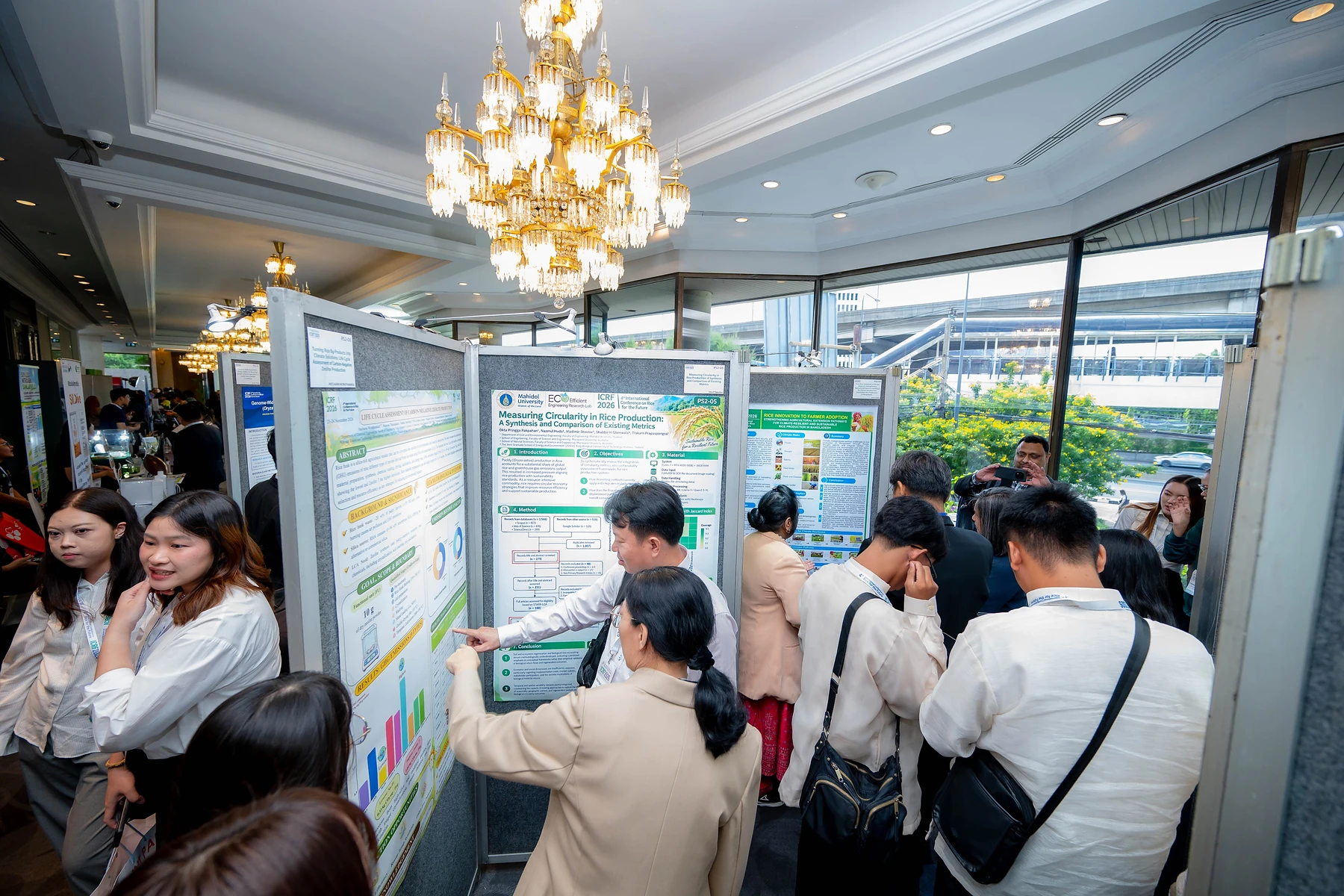
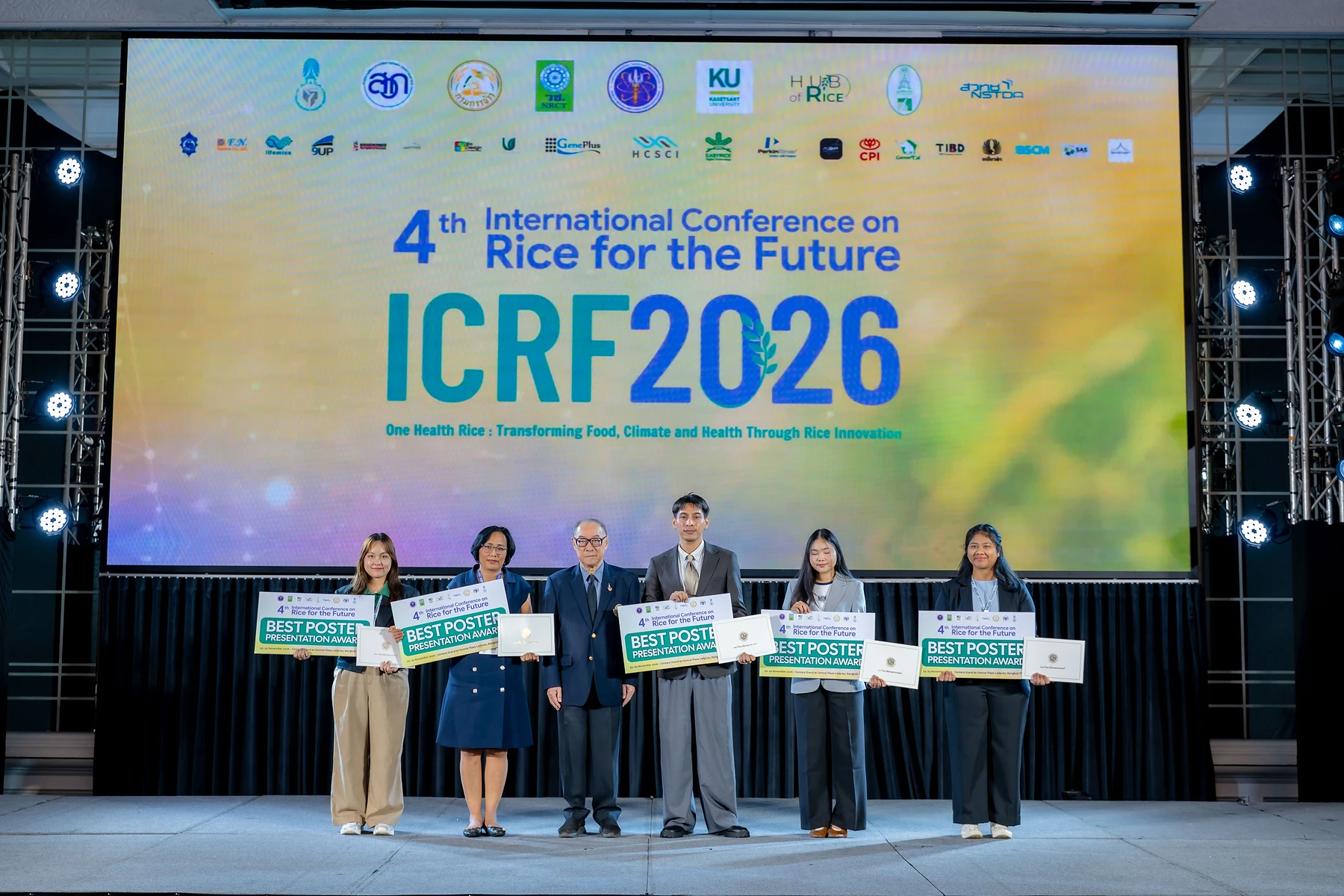
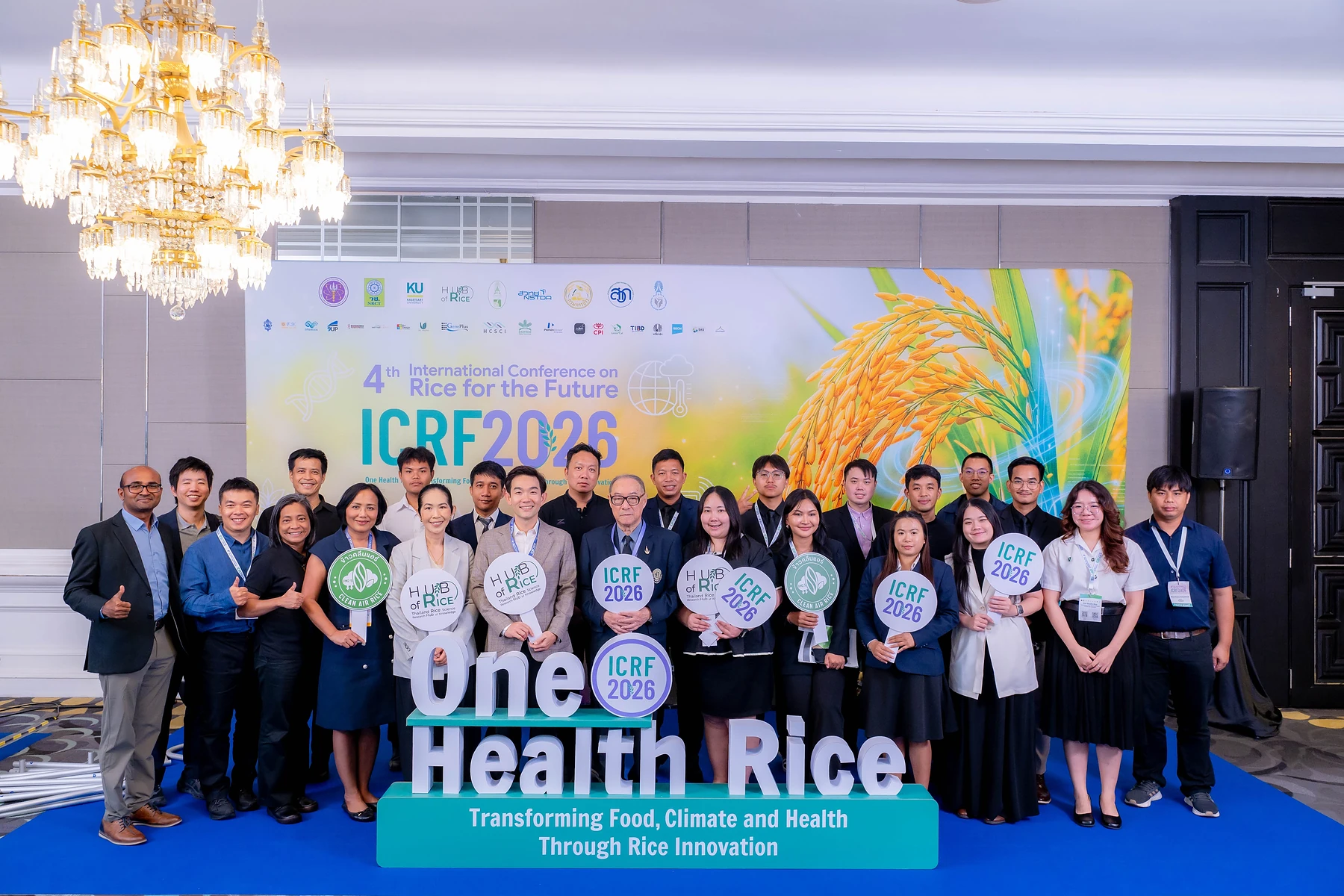
TIBD Co., Ltd. took part as a Booth/Exhibitor Sponsor at the 4th International Conference on Rice for the Future (ICRF2026), held on 23-24 November 2026 at Centara Grand at CentralPlaza Ladprao, Bangkok.
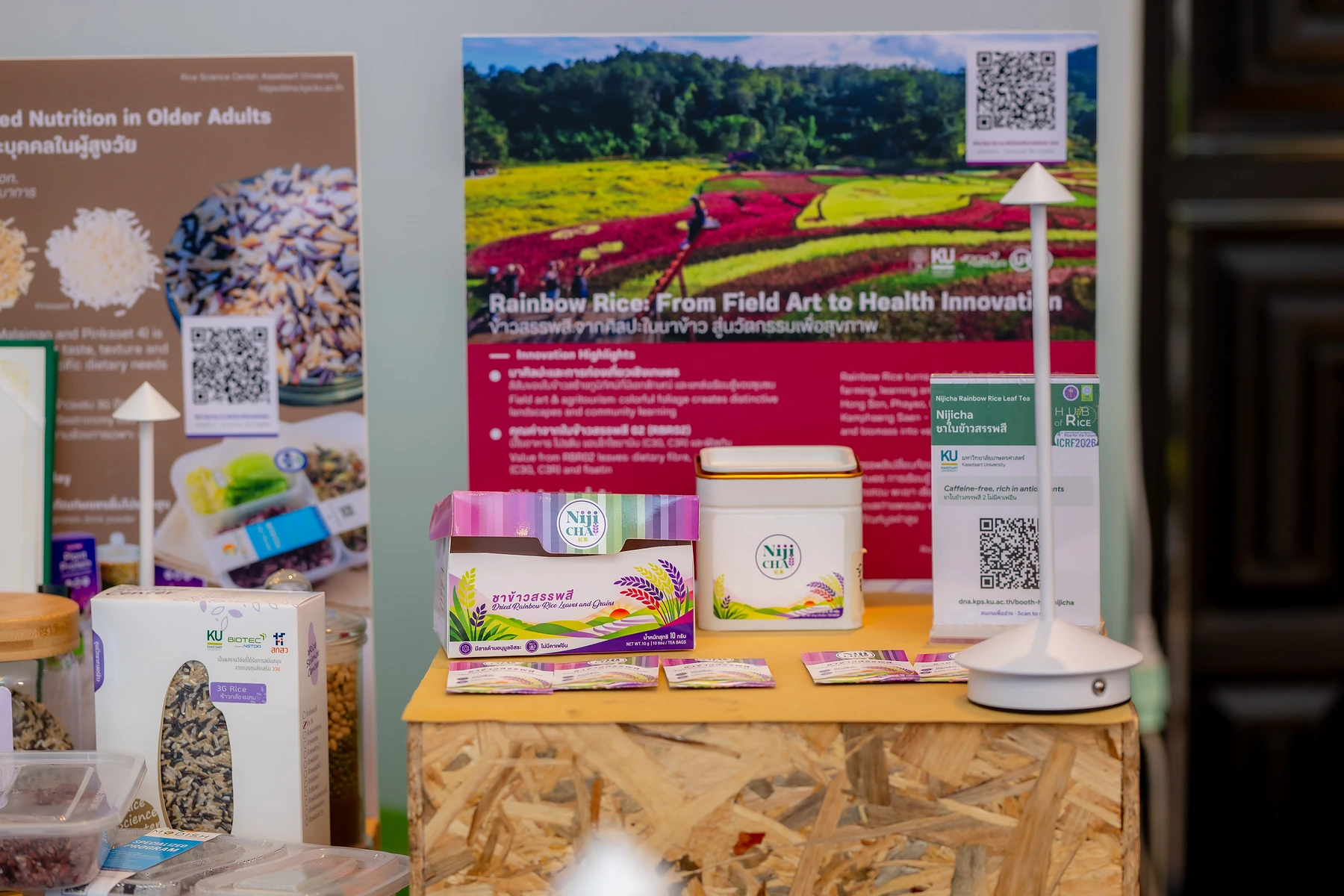
The conference gave TIBD the chance to meet researchers and entrepreneurs and discuss how Thai rice research can be turned into business. It builds on TIBD’s work with the Rice Science Center, Kasetsart University, on developing ingredients from the leaves of RBR02 Rainbow Rice.
ICRF2026: An International Rice Forum on One Health Rice
ICRF2026 was the fourth edition of the conference, held under the theme “One Health Rice: Transforming Food, Climate and Health Through Rice Innovation”, which looks at rice innovation through food, climate and health together.
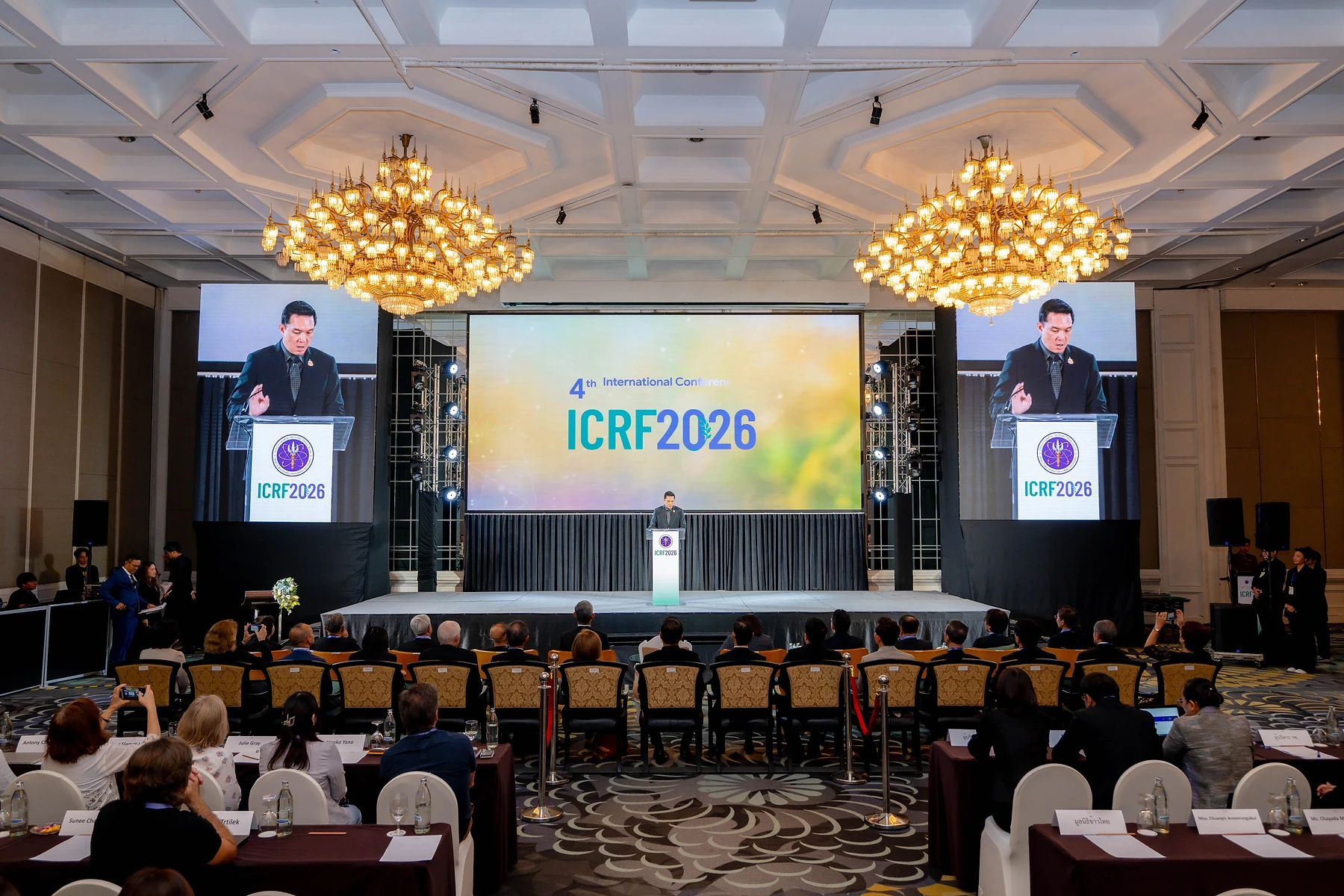
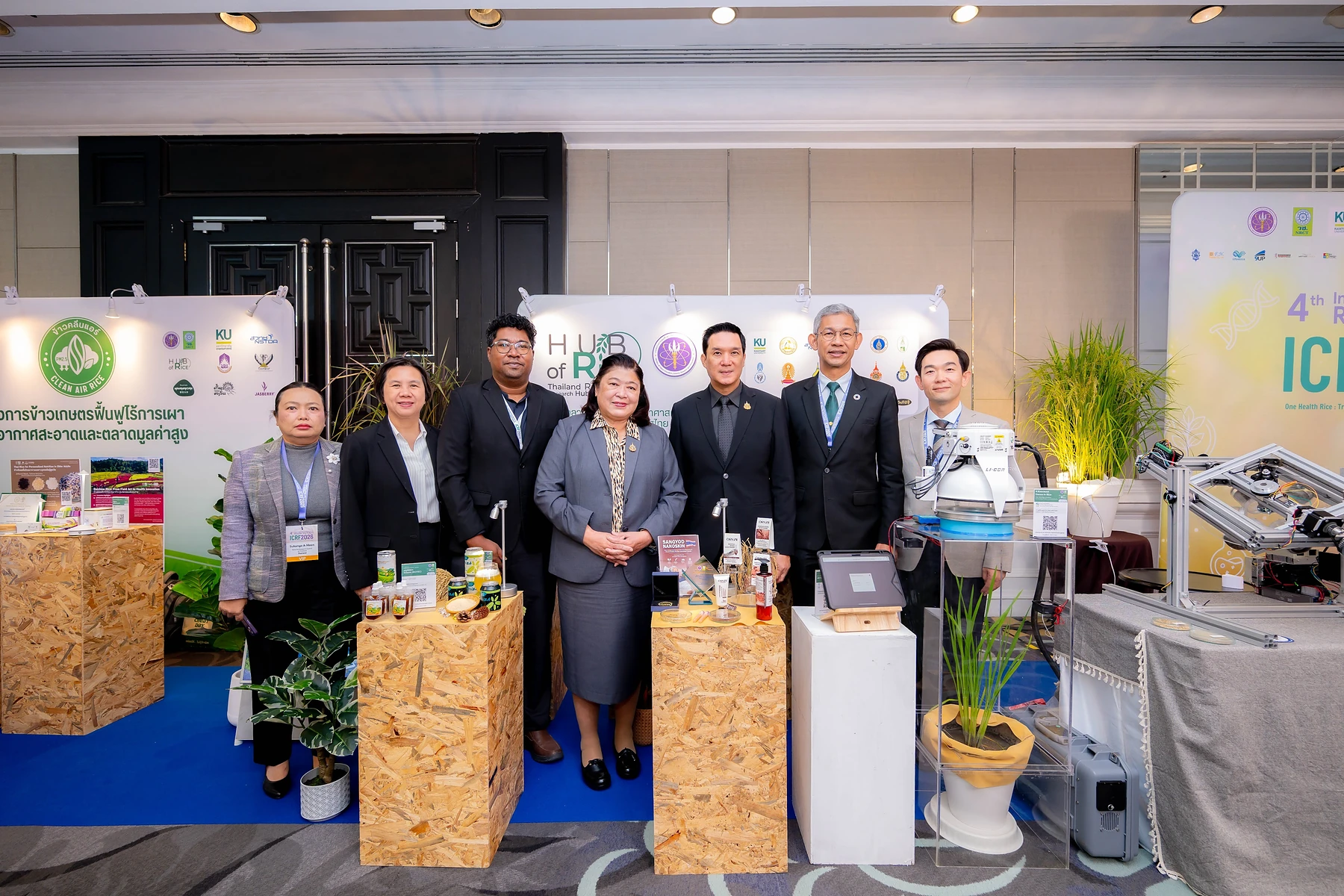
The opening ceremony took place on 23 November 2026. Mr. Danuporn Punnakanta, Assistant Minister of Higher Education, Science, Research and Innovation, presided over the opening and gave a special keynote, “Rice Innovation for Thailand’s Sustainable Future: Connecting Food, Climate and Health”.
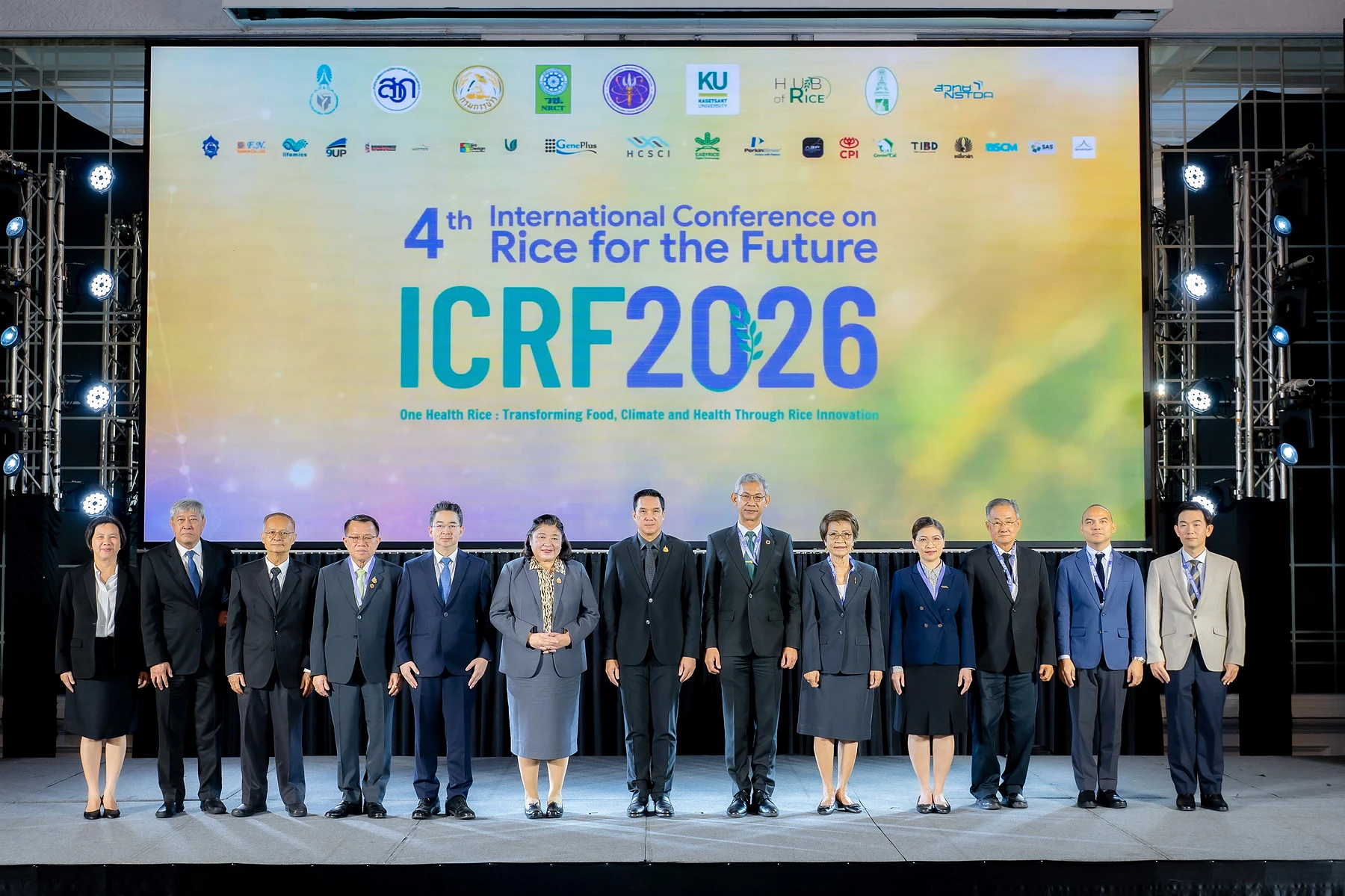
The conference was organised by the Thailand Rice Science Research Hub of Knowledge (Hub of Rice), Rice Science Center, Kasetsart University Kamphaeng Saen Campus, together with eight host organisations:
- Ministry of Higher Education, Science, Research and Innovation (MHESI)
- National Research Council of Thailand (NRCT)
- Kasetsart University
- Hub of Rice
- Thaksin University
- Rice Department
- National Science and Technology Development Agency (NSTDA)
- Thai Rice Foundation under Royal Patronage
The programme covered six themes:
- Rice Genomics/Omics
- Climate Change
- Abiotic and Biotic Stresses
- Novel Rice Processing and Product Innovation
- Health, Medical and Pharmaceutical
- Agri-tech
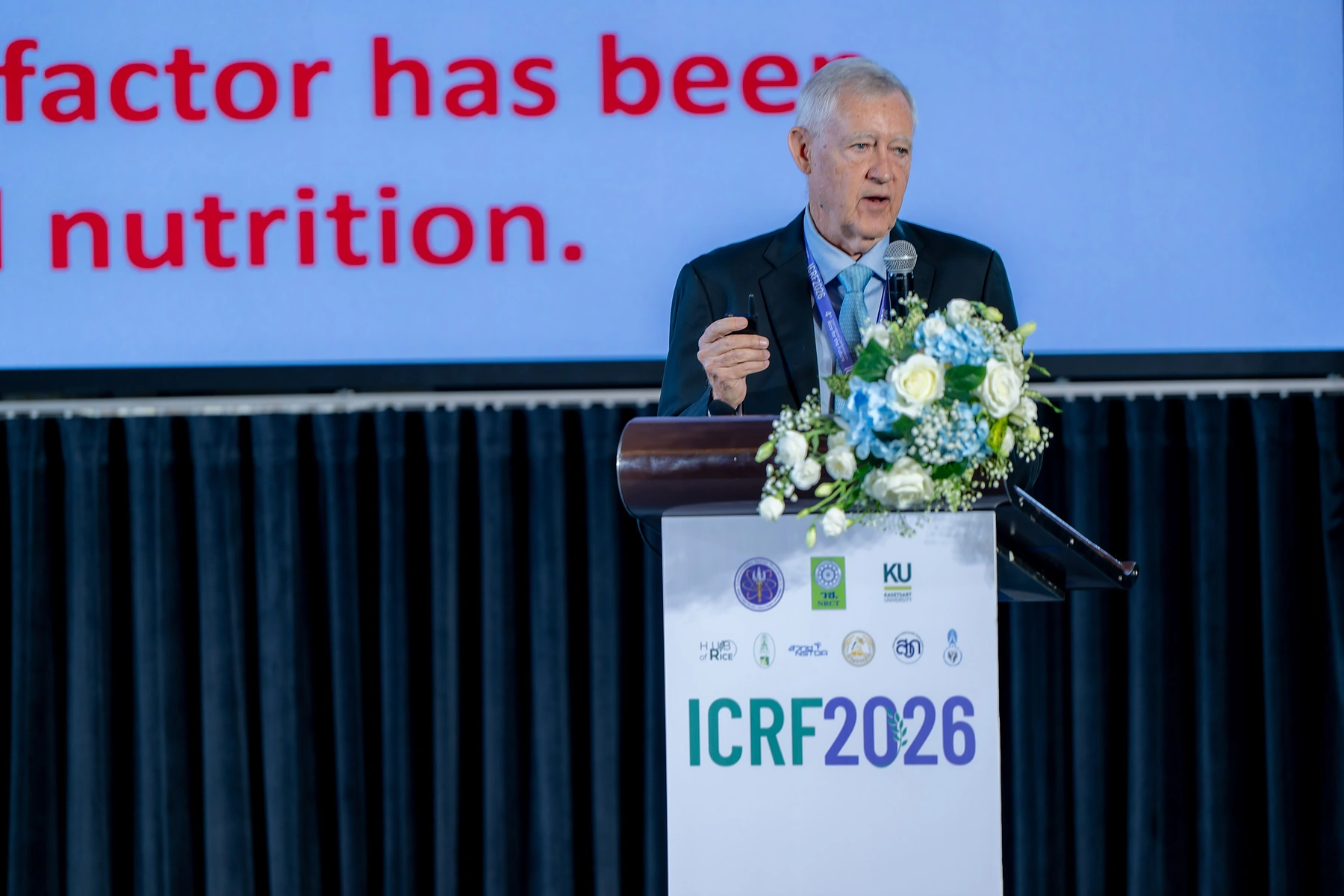
Speakers came from institutions in Thailand and abroad, including Howarth Bouis of HarvestPlus and the International Food Policy Research Institute (IFPRI), Prof. Dr. Apichart Vanavichit of Kasetsart University, Erik Murchie of the University of Nottingham and Julie Gray of the University of Sheffield.
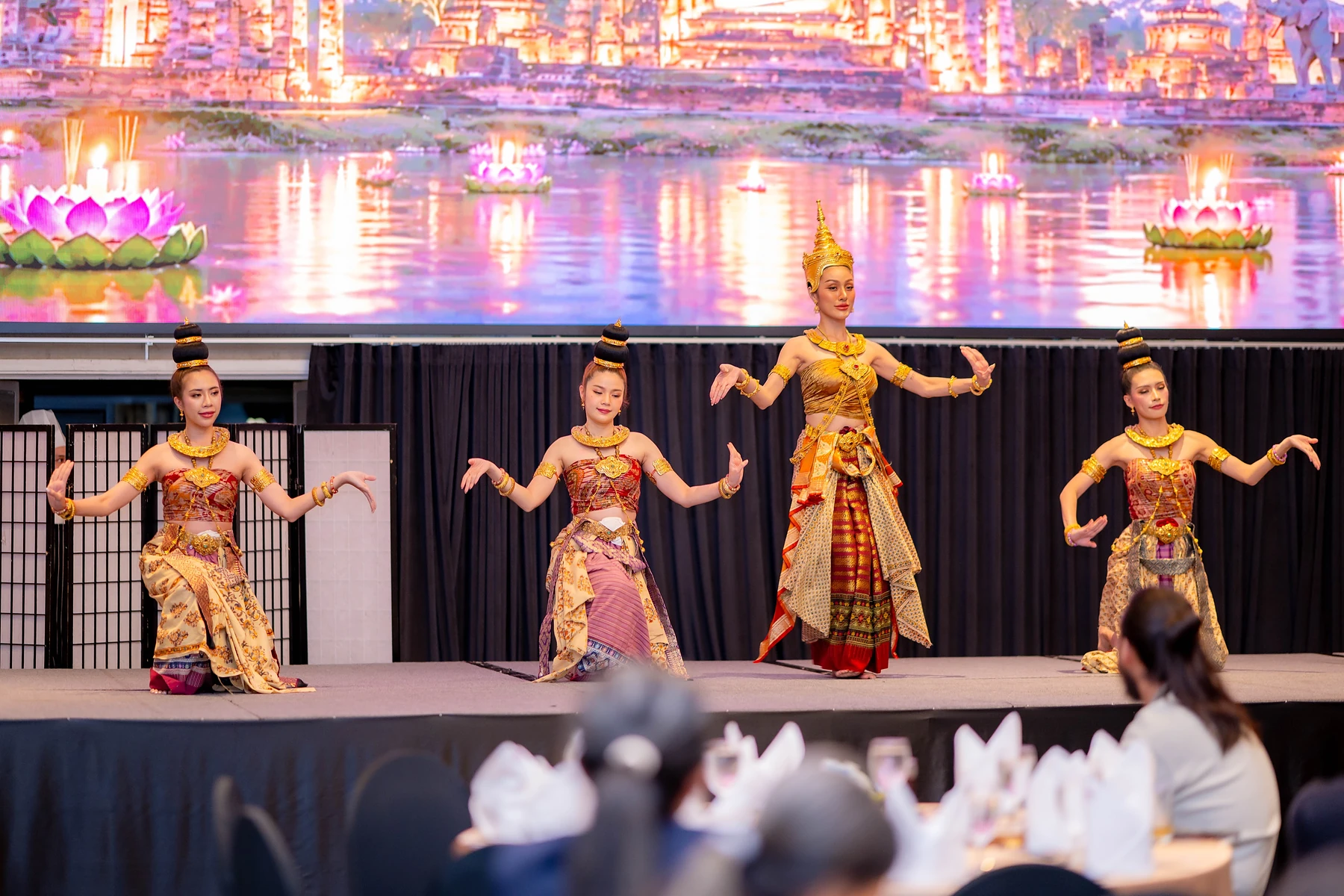
Scientists from the International Rice Research Institute (IRRI), The University of Tokyo, Sejong University, Nanjing Agricultural University, Academia Sinica and GIZ Thailand also took part. The programme included oral and poster presentations, a Young Researcher Forum, a sponsor exhibition and a Loy Krathong evening on 24 November 2026.
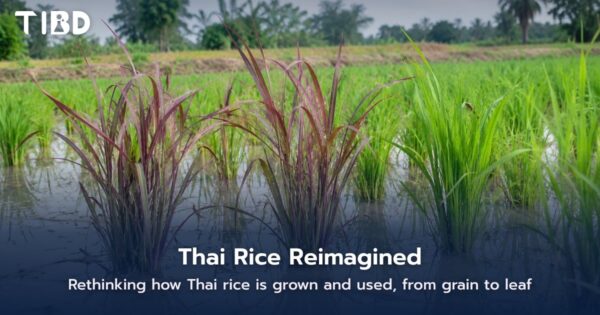
Thai Rice Reimagined: A New Look at Thai Rice from Prof. Dr. Apichart Vanavichit
One session the TIBD team followed closely was “Thai Rice Reimagined” by Prof. Dr. Apichart Vanavichit, Advisor to the Director of the Rice Science Center, Kasetsart University.
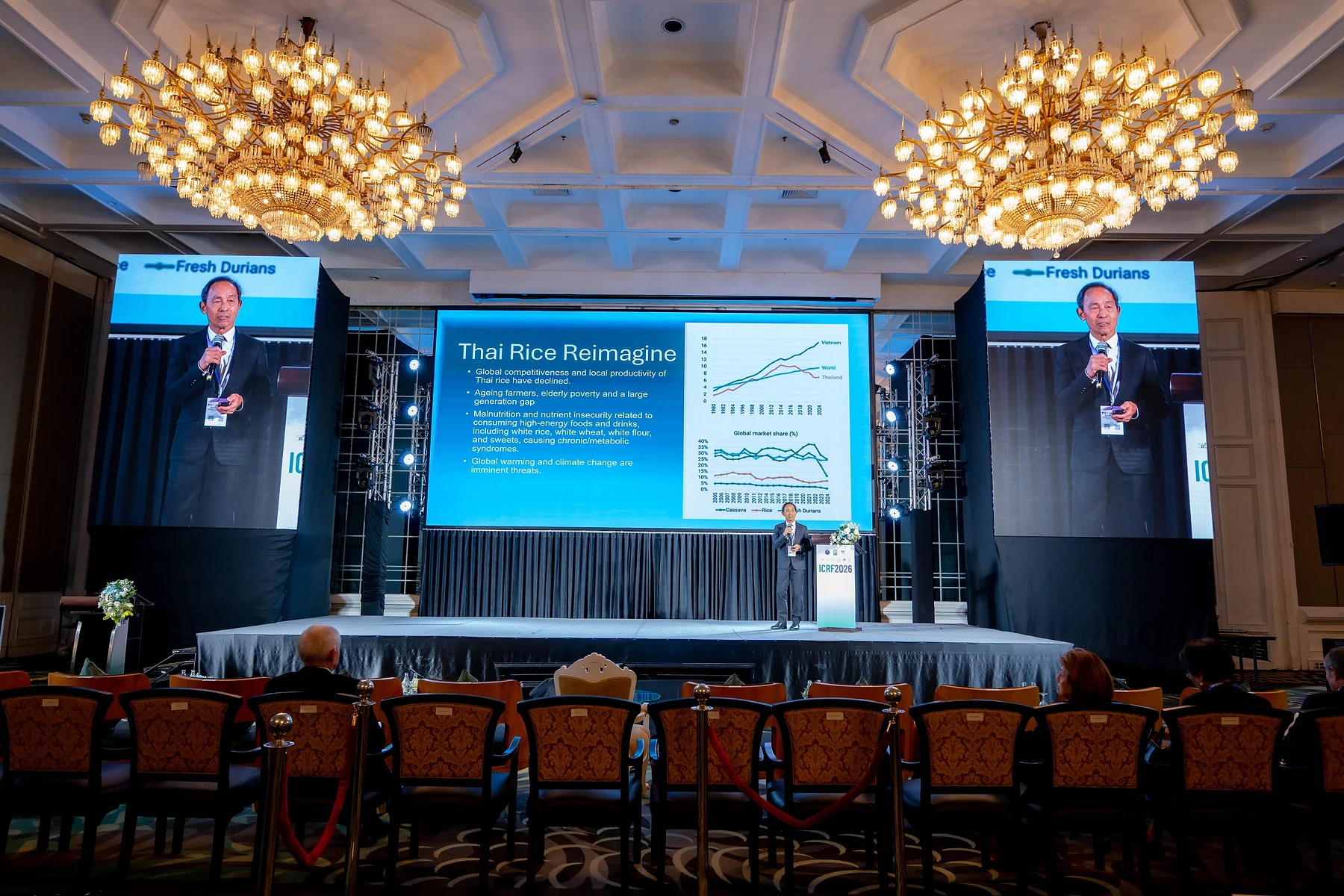
Prof. Dr. Apichart began with three challenges that Thai rice faces at the same time:
- Economy: falling rice productivity, a shrinking share of the world rice market and an ageing farming population.
- Health: polished white rice is digested quickly while obesity and diabetes are rising; the speaker stressed that obesity is the number one issue.
- Environment: keeping paddies flooded all season uses a lot of water and releases methane.
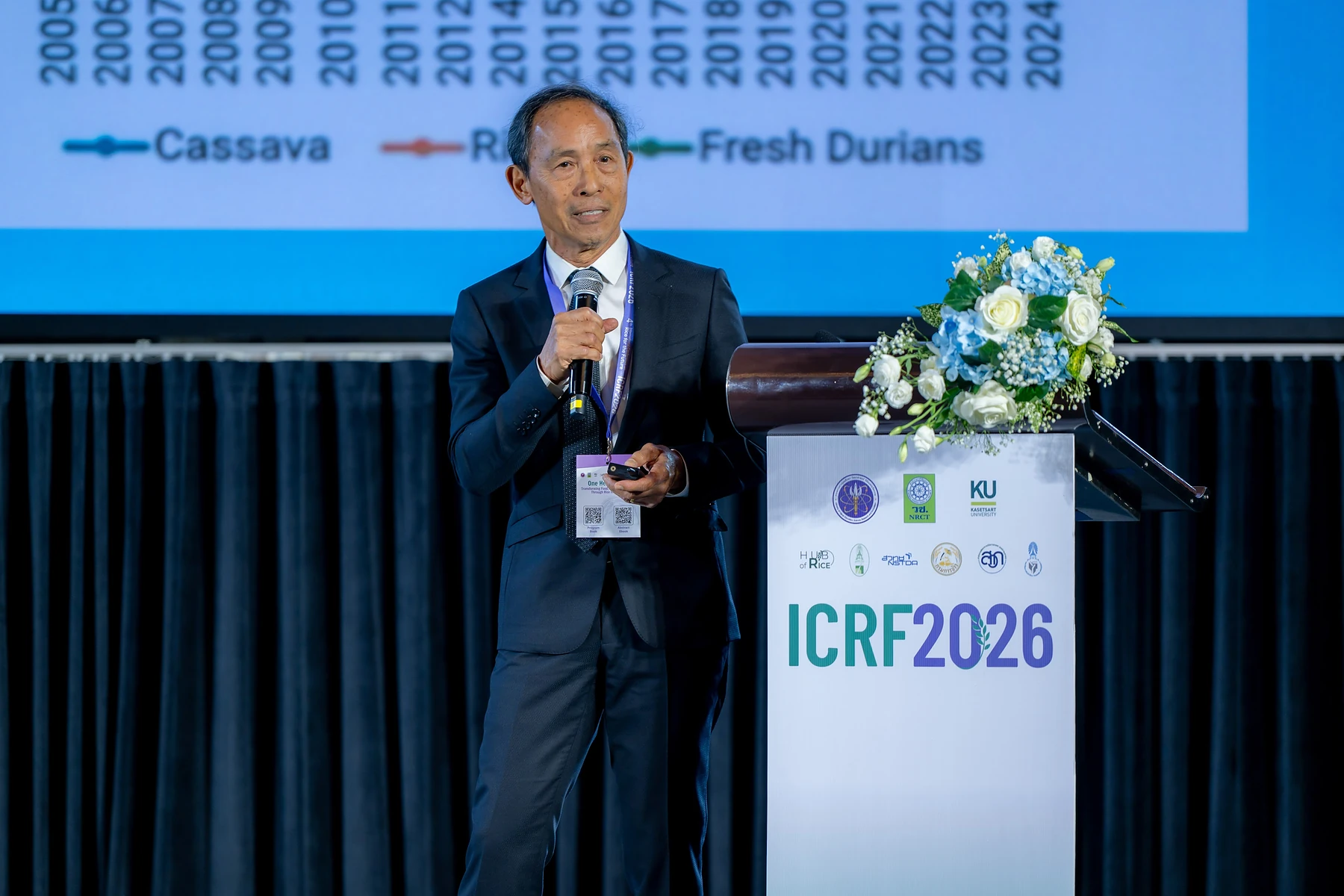
In response, the speaker presented four directions that treat rice as more than a source of starch.
1. Whole Grain for Health (Super Grain)
Work on Riceberry and low glycaemic index (Low GI) rice has continued for 21 years and has led to “3G rice”, a blend of three varieties. The lecture slides gave the glycaemic index (GI) of 3G rice as about 52.
The data presented also listed 54 registered specialty rice varieties and 203 research publications indexed in Scopus.
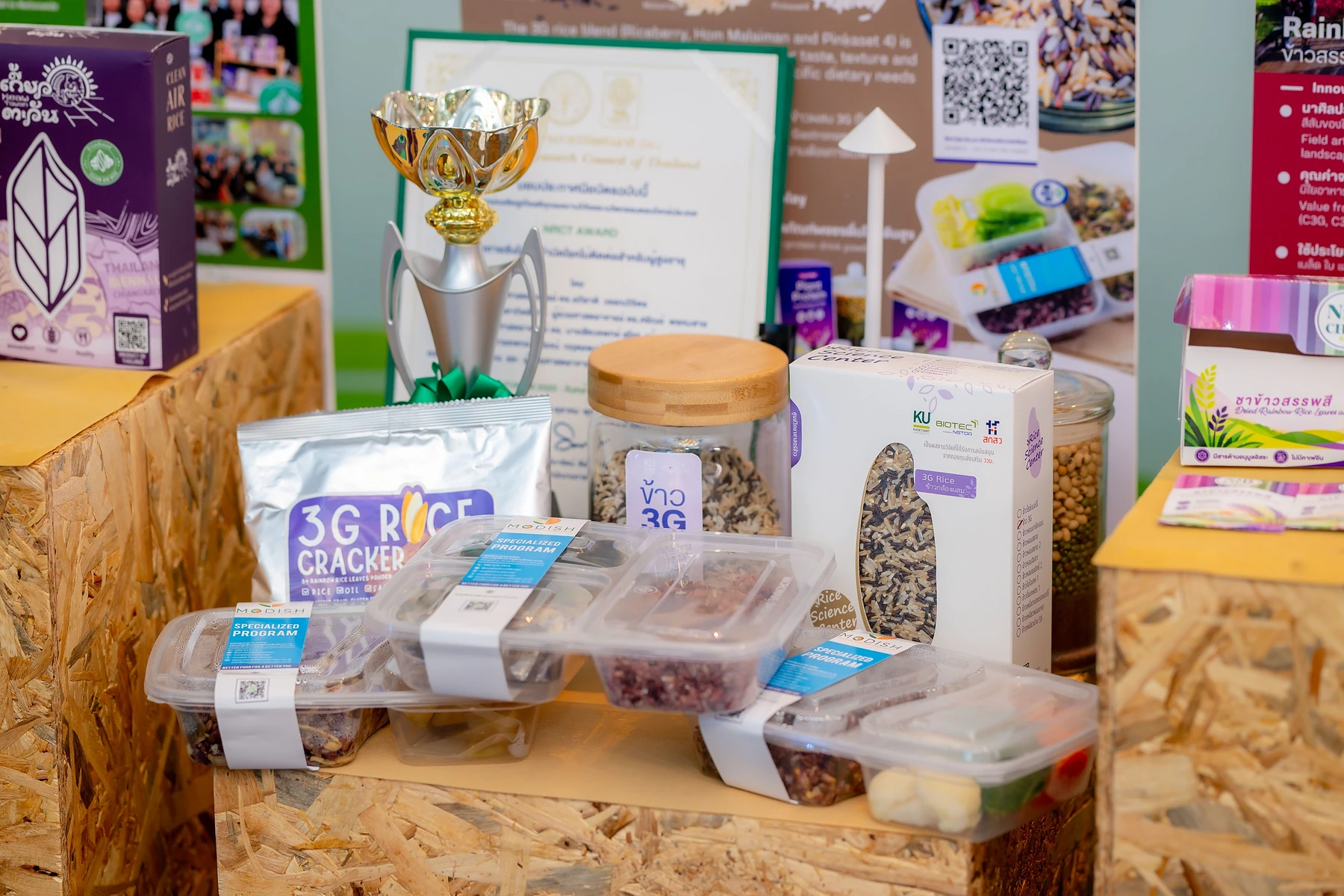
2. Rice as a Base for Personalized Diet Therapy
This approach uses 3G rice as the dietary base, with clinical studies in people with obesity, type 2 diabetes and chronic kidney disease (CKD).
One example on the slides was the 12-week PLADO study, which reported that the glomerular filtration rate (GFR) of the study group stayed fairly stable, while it fell in the group on a standard low-protein diet.
These are study results presented by the speaker at an academic forum. They are not a claim about any product and are not medical advice.
3. Water-Saving Rice with a Lower Climate Impact
The speaker presented the low-stomata variety PINKASET+5#4E01 combined with Alternate Wetting and Drying (AWD).
The slides showed that AWD in field trials used about 41% of the water of continuous flooding and clearly reduced the Global Warming Potential.
4. From Whole Grain to Whole Leaf
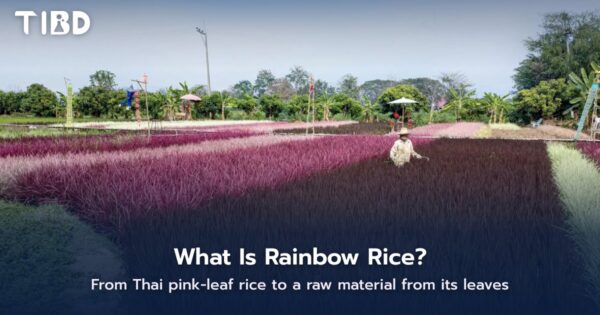
This idea uses Rainbow Rice as a source of leaf-based raw materials containing protein, dietary fibre and anthocyanins. The speaker called this water-based separation process a “Green Biorefinery”, which uses 91.6% of the raw material.
An estimate on the slides put farmer income from rice leaves at about 96,000 baht per rai per year, compared with about 678 baht per rai per year from selling straw, or roughly 142 times more. This is a projection, not income that has been achieved.
Keeping Benefit Claims Within the Evidence
A point TIBD sees as important for the health and beauty business is that the speaker rated the level of evidence for each active compound on the slides himself:
- Anthocyanins: moderate evidence (7/10)
- Protein hydrolysate: limited evidence (3/10)
- Fisetin: limited evidence (3/10)
The speaker’s conclusion was that benefit claims must not go beyond the available evidence, the same principle product developers should follow when communicating with consumers.
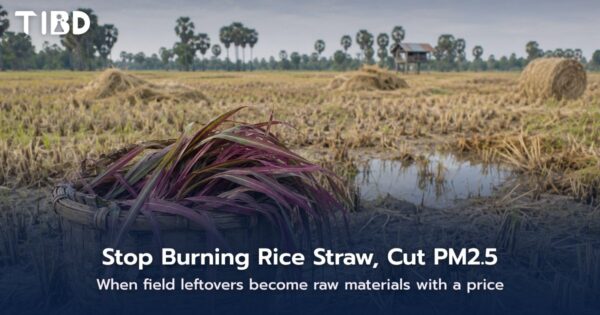
Read more about the rice varieties, AWD farming and the use of rice leaves in our article Thai Rice Reimagined.
TIBD’s Role: Connecting Rice Research with Business
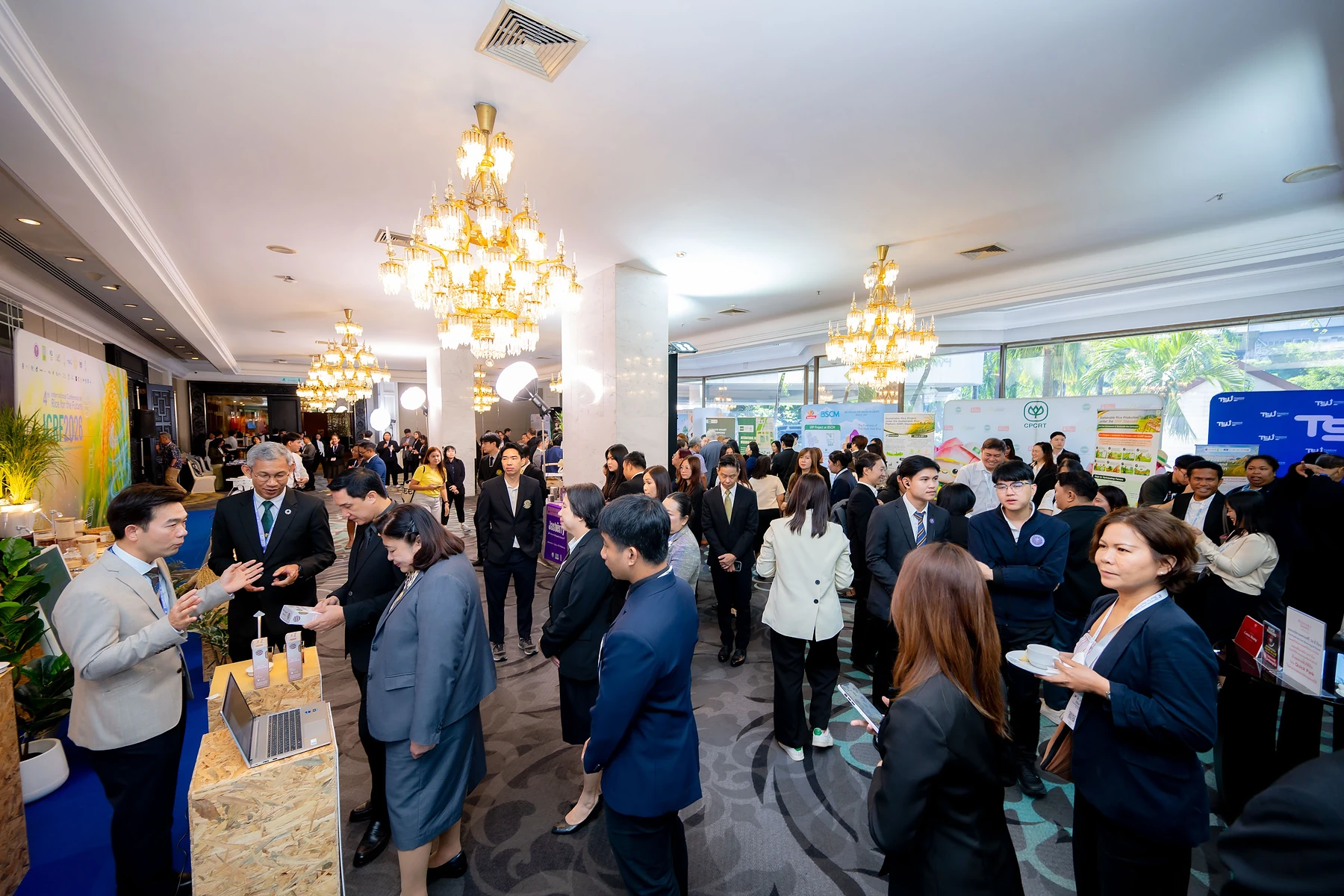
At the exhibition booth, the TIBD team discussed with researchers and entrepreneurs how rice research can be developed into ingredients for food, dietary supplements and cosmetics.
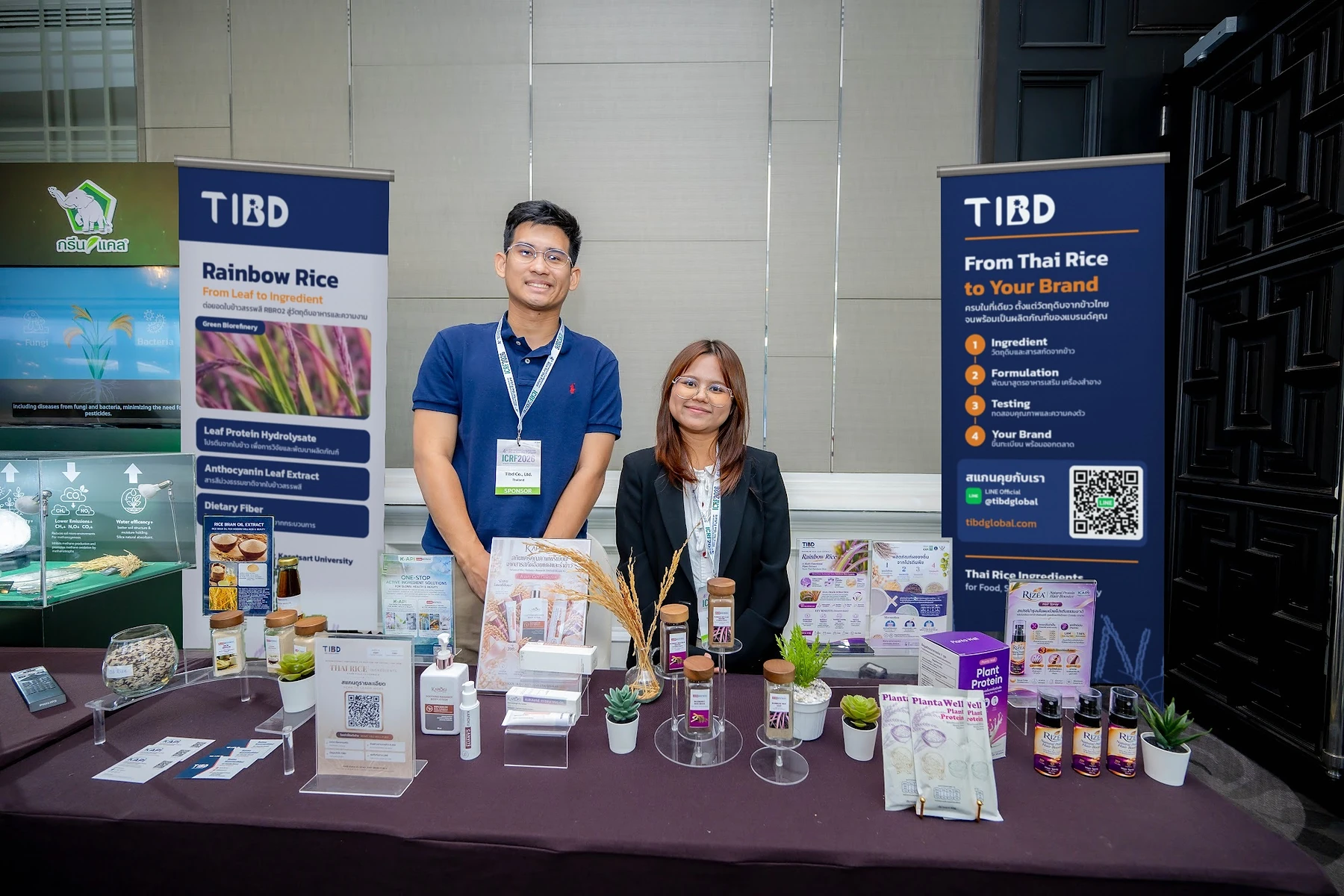
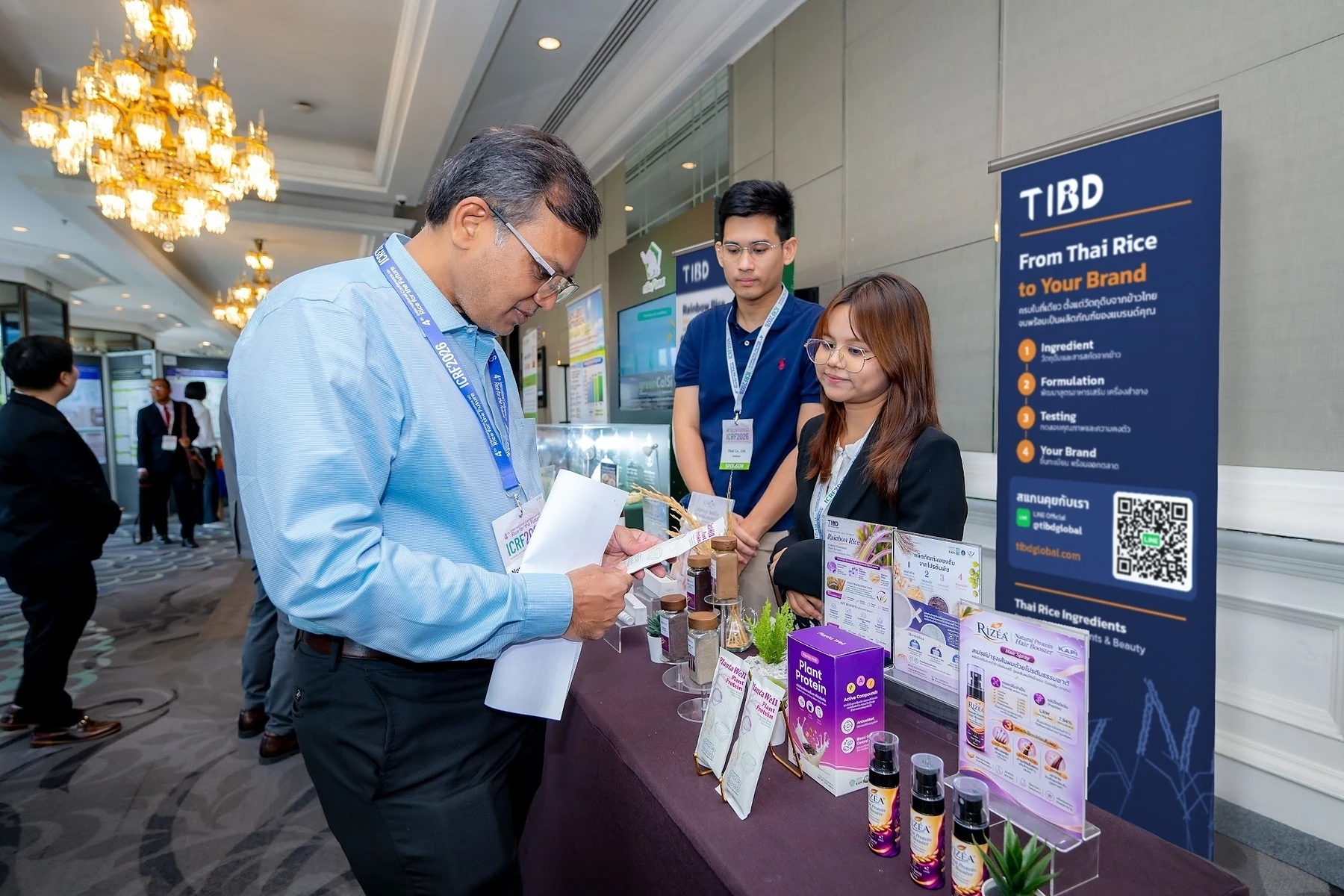
TIBD works with the Rice Science Center, Kasetsart University, on the RBR02 Rainbow Rice leaf biorefinery project. The roles are divided as follows:
- Rice Science Center: develops the varieties and know-how
- TIBD: brings the ingredients to commercial use
- K-API Co., Ltd.: project partner
The project has two main ingredient streams: a rice leaf protein hydrolysate and an anthocyanin-containing rice leaf extract. Dietary fibre is obtained from the residue left after processing.
All ingredients are currently at the prototype and pilot-scale testing stage. Use in food is still under regulatory assessment.
To learn where coloured-leaf rice comes from, read What Is Rainbow Rice?
Highlights from the Event
Thank You to the Organisers
TIBD thanks the Rice Science Center and Hub of Rice, Kasetsart University, and all host organisations for opening a platform for the business sector to take part in Thai rice research at an international level.
Conference details are available on the ICRF2026 website.
Businesses interested in developing products from rice or rice leaf ingredients can reach the TIBD team via our Contact page.
Photos: ICRF 2026