TIBD × FINECO Host “Silk Innovation for a Brighter Tomorrow,” a Forum on Silk-Based Ingredients for Health and Beauty Brands
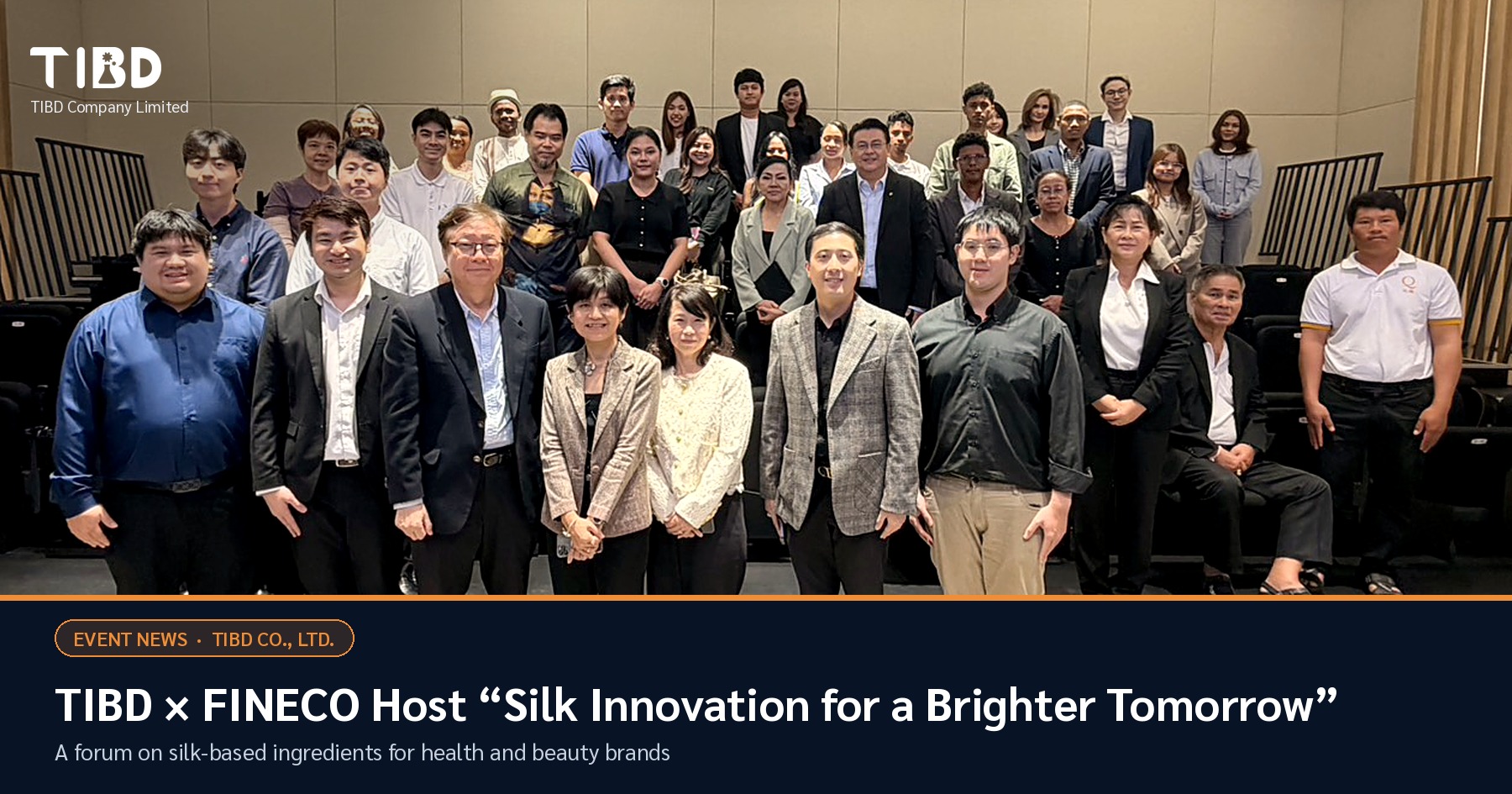
On Friday, November 6, 2026, TIBD Co., Ltd. and FINECO Co., Ltd., a biotechnology company from the Republic of Korea, hosted “Silk Innovation for a Brighter Tomorrow” in the third-floor Auditorium of the IMPACT Culinova building, Muang Thong Thani, Nonthaburi. The event was the second edition of the Branded Ingredient Development Forum 2026 and was supported by VISBIO Co., Ltd.
The forum brought together researchers, ingredient developers, manufacturers, and brand owners to exchange approaches to developing silk-based branded ingredients, from fiber research through to brand building. It also built on the partnership between TIBD and FINECO, which signed a memorandum of understanding (MOU) in 2026.
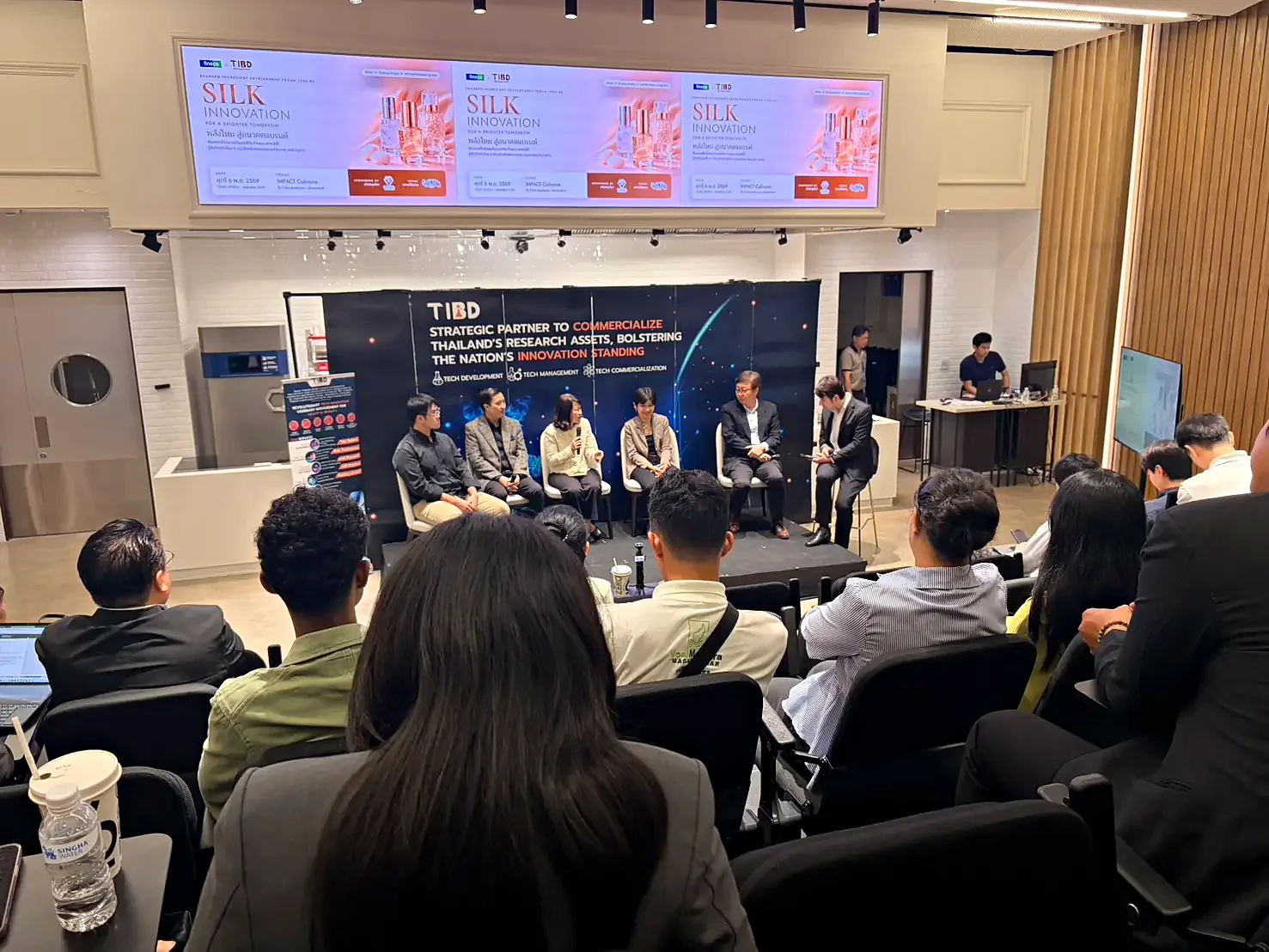
Speakers and Panelists
The forum brought together speakers from industry, academia, and an international partner:
- Dr. Garbeen Yim, Chief Executive Officer (CEO), FINECO Co., Ltd., Republic of Korea
- Dr. Rungsima Chollakup, Expert Researcher, Kasetsart Agricultural and Agro-Industrial Product Improvement Institute (KAPI), Kasetsart University
- Dr. Kuakoon Piyachomkwan, Assistant Managing Director, Innovation and Biotechnology, Poonphol Co., Ltd.
- Kittiphoom Chinsophonsup, Chief Marketing Officer, TIBD Co., Ltd.
- Arun Werasakulchai, R&D Manager, TIBD Co., Ltd.
Dr. Wuttipong Panitsettakorn, CEO & Co-Founder of TIBD Co., Ltd., moderated the program and provided Thai interpretation for the keynote.
AI for Branding: The Making of SILQARA
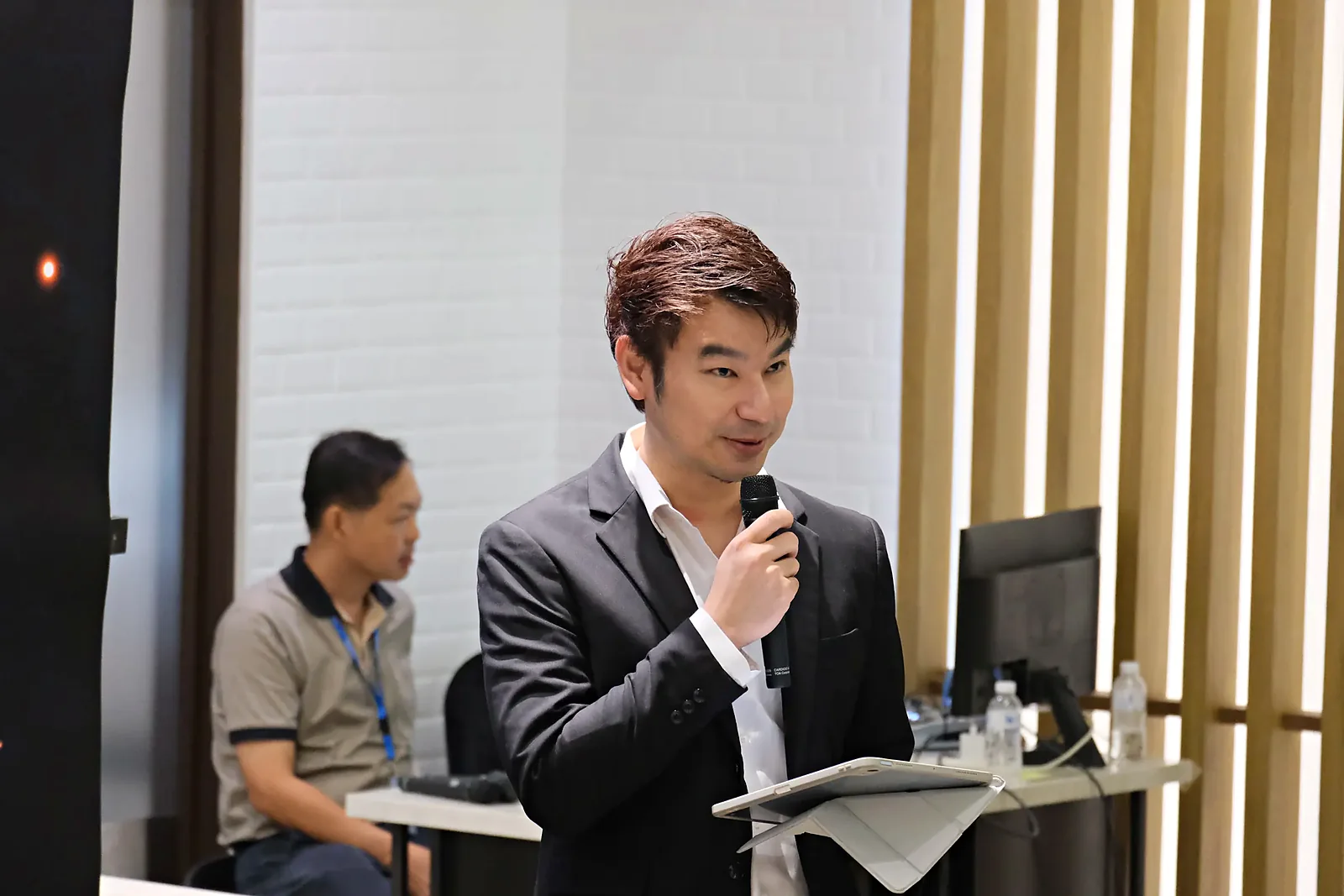
Kittiphoom Chinsophonsup opened the program with “AI for Branding: The Making of SILQARA,” sharing how artificial intelligence (AI) was used to build SILQARA, a silk-based product brand, from concept to market launch.
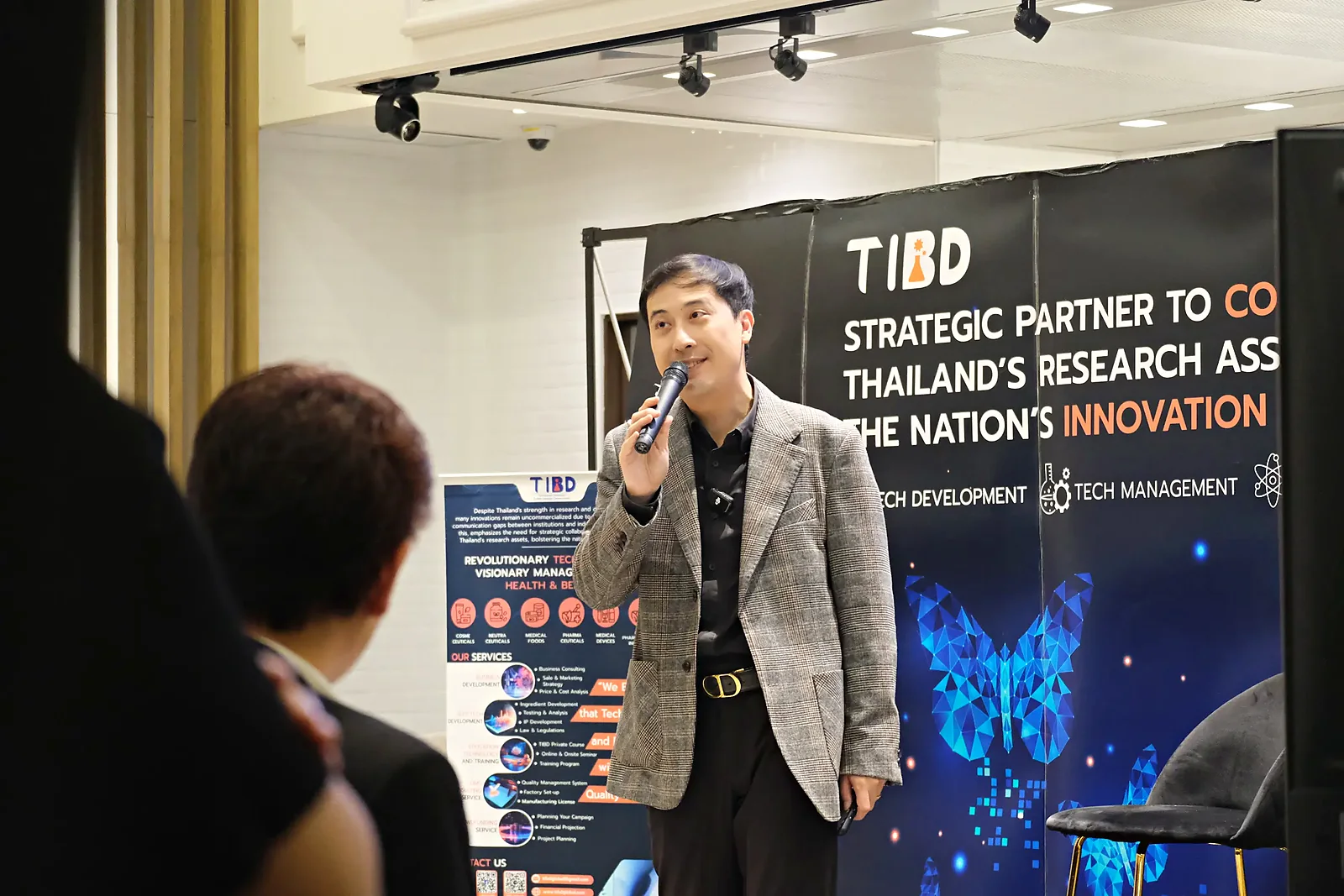
The talk connected ingredient development with marketing and brand building, the end point of any branded ingredient.
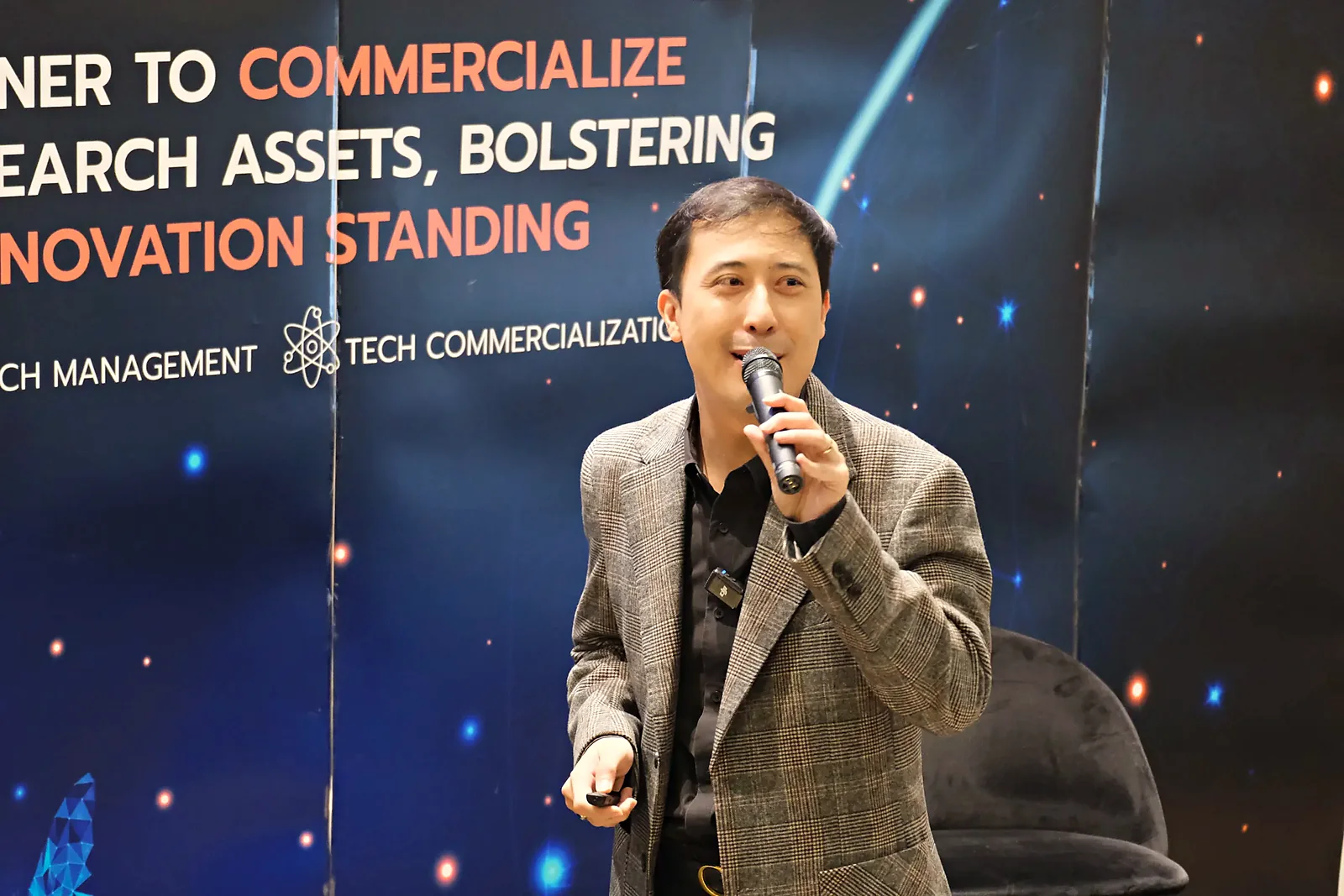
Thai Silk Through the Lens of Fiber Science: From Heritage to Biomaterial
Dr. Rungsima Chollakup presented “Thai Silk Through the Lens of Fiber Science” on behalf of the Silk Innovation Research Unit, Kasetsart University. She framed Thai silk as a biomaterial platform rather than only a textile raw material.
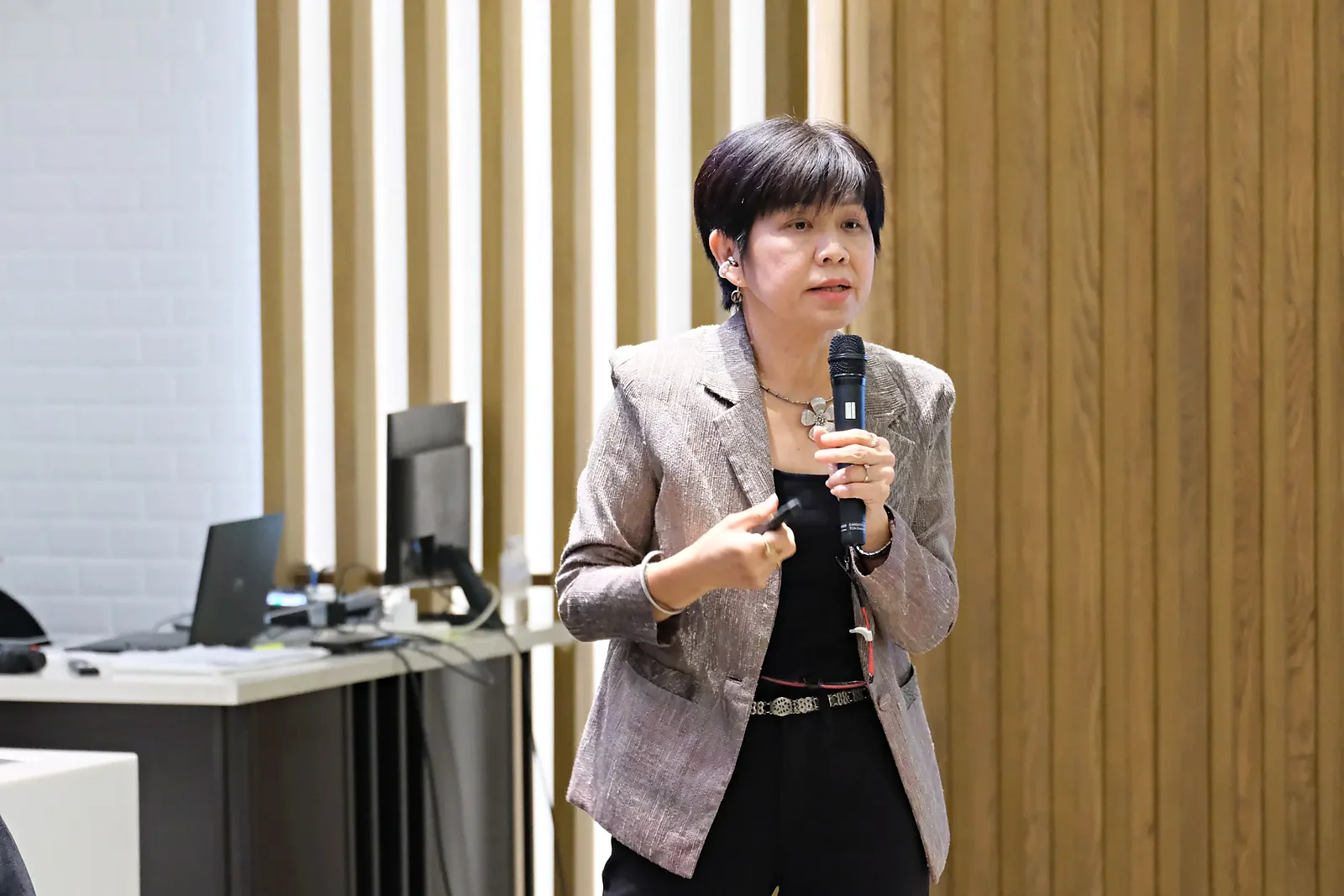
Silkworms raised in Thailand include the mulberry silkworm (Bombyx mori), which feeds mainly on mulberry leaves and underpins the Thai silk industry, and the Eri silkworm (Samia ricini), which feeds on several host plants such as castor and cassava leaves. The speaker positioned Eri silk as a complementary option, not a replacement for mulberry silk.
Silk cocoons contain two main proteins. Fibroin forms the structural core of the fiber, while sericin is the gum-like protein that coats it. Fibroin contains β-sheet crystalline regions, and their proportion affects the material’s strength, stability to water and heat, and flexibility [1]. Sericin dissolved in water during degumming can also be recovered as an additional protein source [2].
One study presented converted fibroin from Eri and mulberry silk into micro- and nanofibers through aqueous mechanical processing. Films made from Eri fibroin nanofibers were more transparent, more heat resistant, and stronger, but more brittle, than films made from mulberry silk [3].
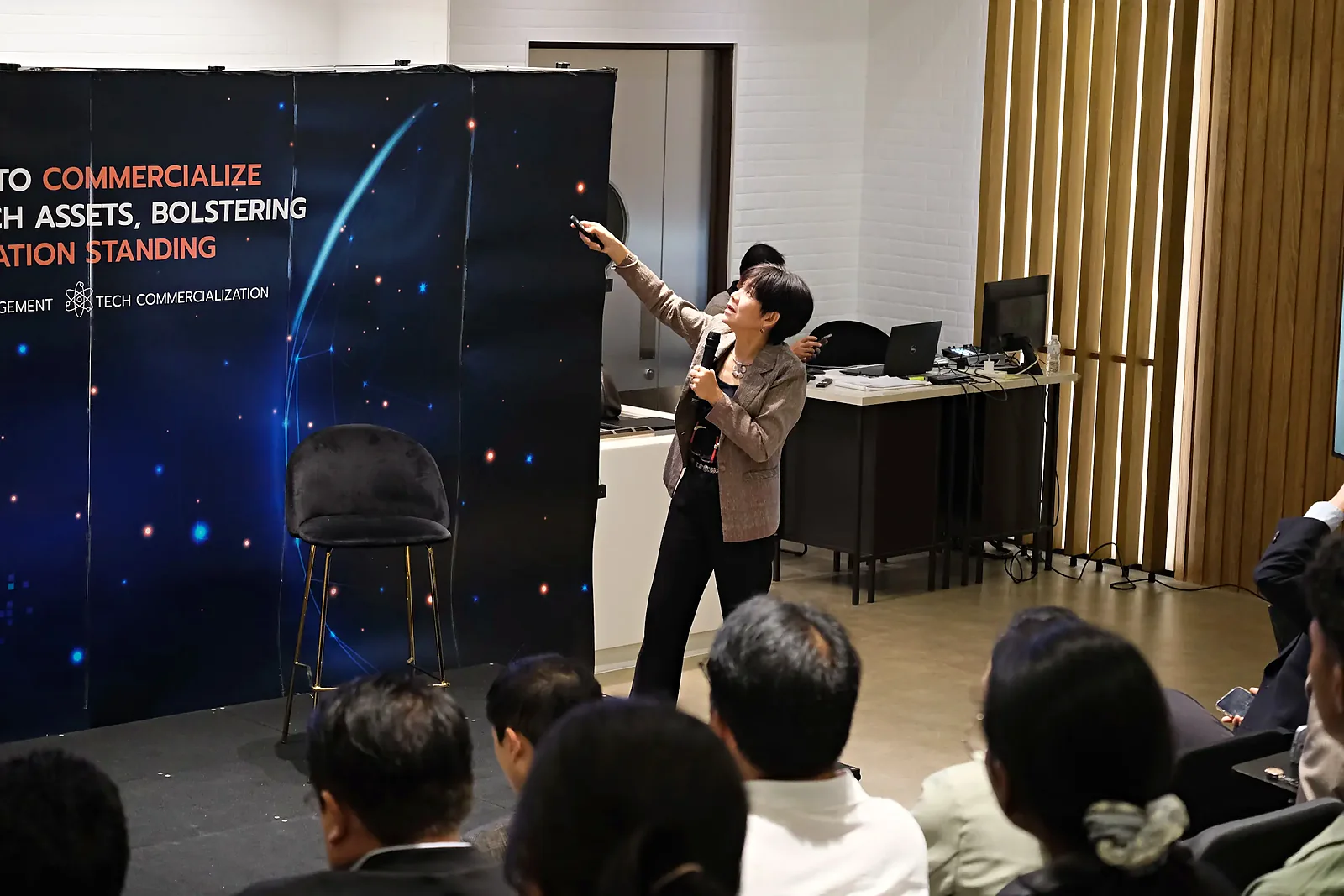
Another study used Eri fibroin nanofibers as solid particles that sit at the oil-water interface to stabilize an emulsion, known as a Pickering emulsion. The results presented showed that the emulsions remained stable across the pH, temperature, and salinity ranges tested [4].
The speaker stressed that these laboratory results are a starting point for material development. Commercial use still requires formulation testing, safety evaluation, and raw-material specifications for each application.
To close, Dr. Rungsima introduced the circular bioeconomy concept of using by-products of silk production. She also summarized Kasetsart University’s work from fiber preparation to product trials, as well as Kasetsart University Standard (KU Standard) 001/2564 on Eri cocoon production with community enterprises [5].
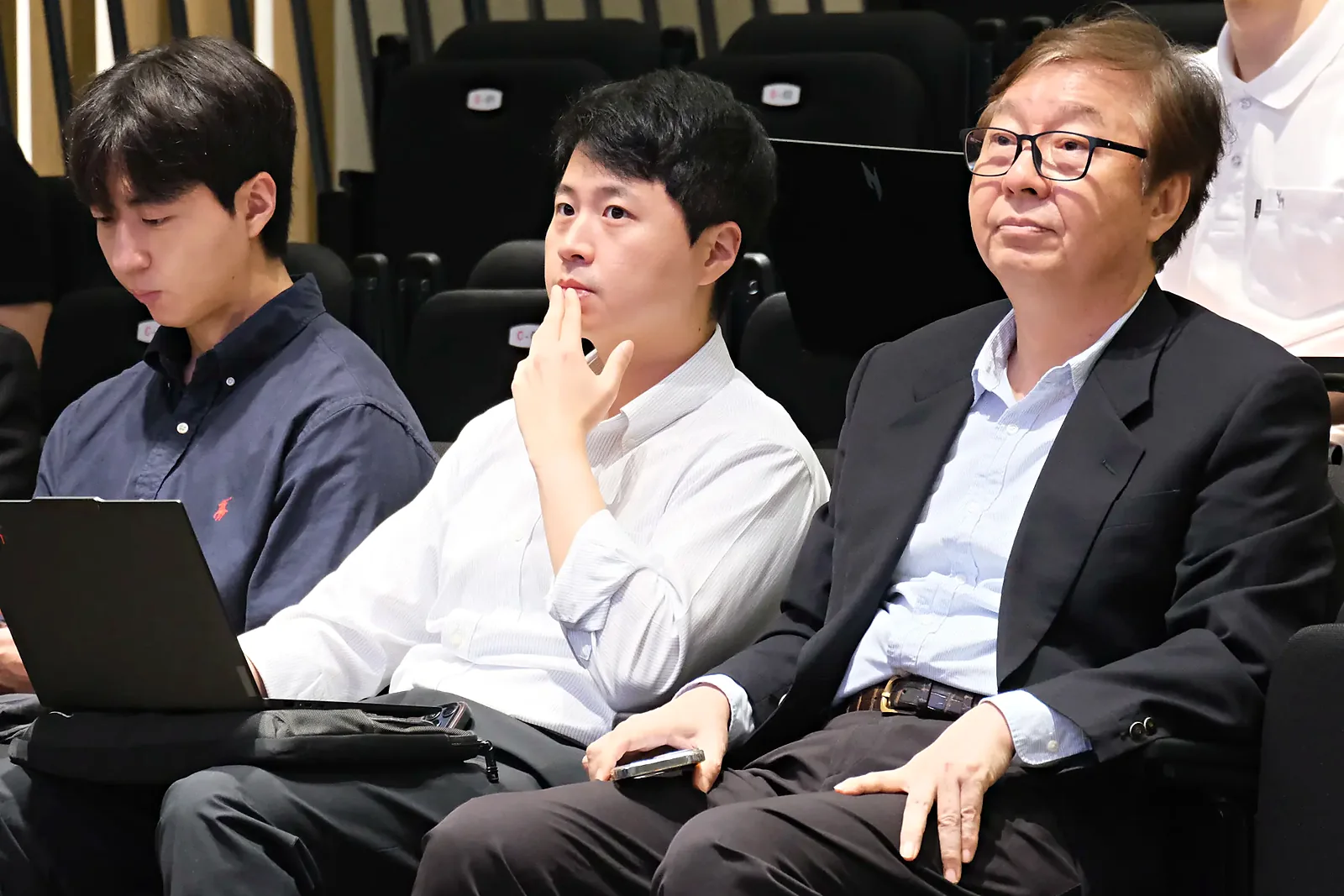
Keynote: 20 Years of Silk Science and Silk Crystal
Dr. Garbeen Yim delivered the keynote “20 Years of Silk Science,” with Thai interpretation by Dr. Wuttipong. His slide deck, “Silk, Reimagined: From Decorative Additive to Advanced Functional Biomaterial,” presented a shift in how silk is viewed, from an ingredient added to enhance a formula’s image (a decorative additive) to an advanced functional biomaterial. The talk covered the proteins fibroin and sericin and FINECO’s Silk Crystal technology.
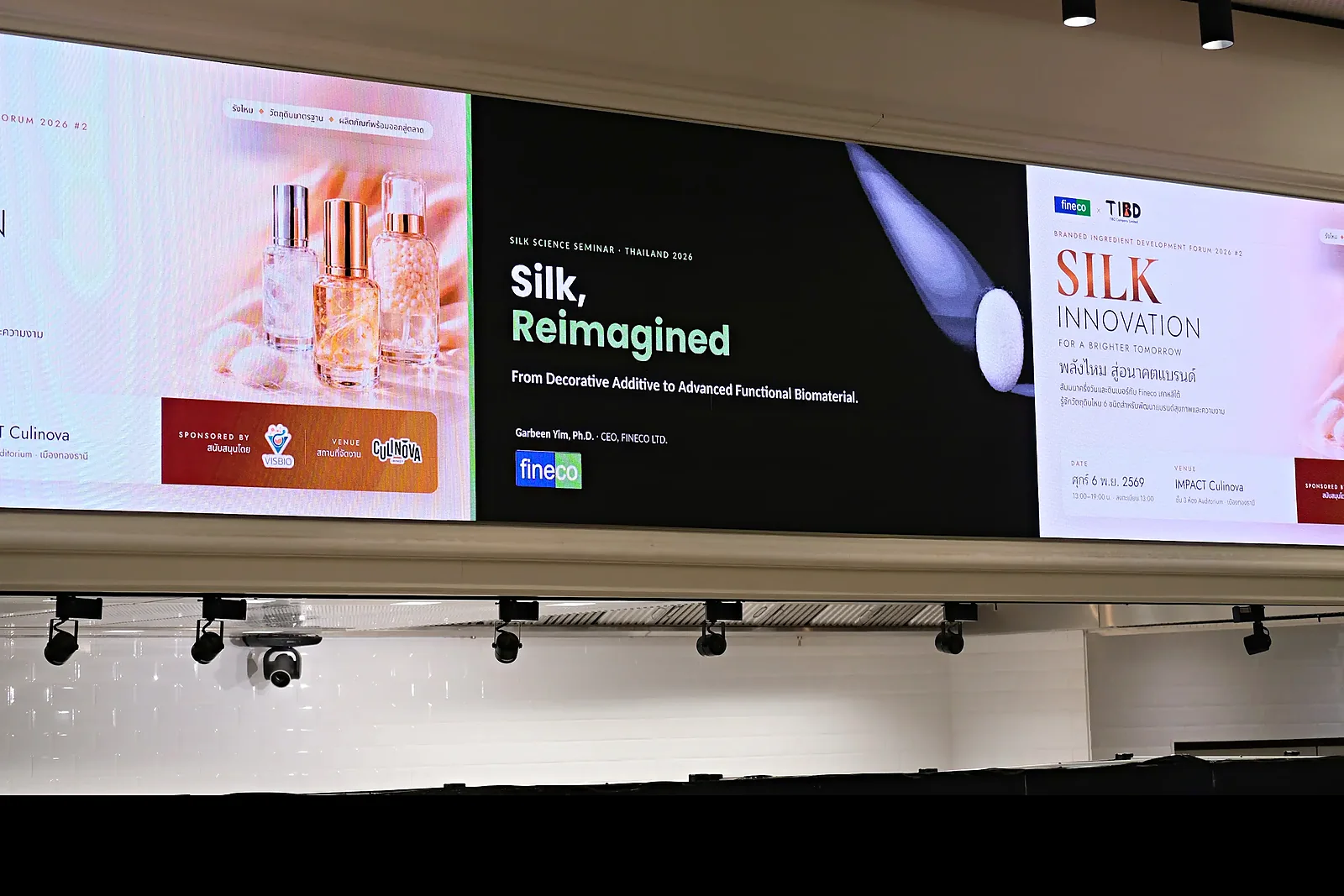
The keynote also gave examples of silk as an advanced material across several industries, including medicine, from sutures to smart implants.
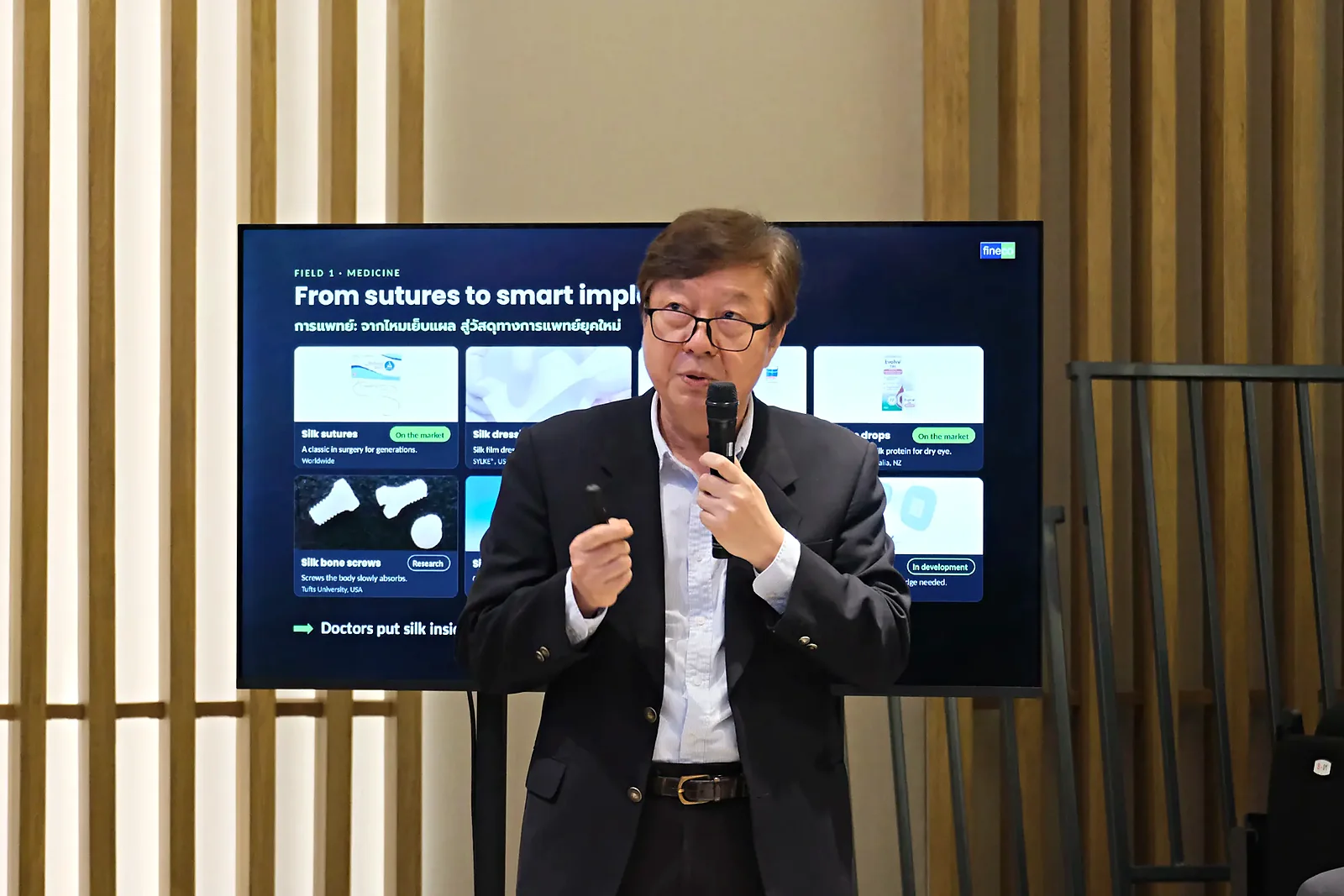
FINECO is a biotechnology company that develops biomaterials from natural sources such as silk, mushrooms, herbs, and marine materials. FINECO states that Silk Crystal is biocompatible with skin cells and is designed as a delivery system for active ingredients in formulations without petroleum-derived surfactants. FINECO also states that it exports its products to Germany, France, and Switzerland.
Panel: Co-creating Silk Ingredients for Thai Brands
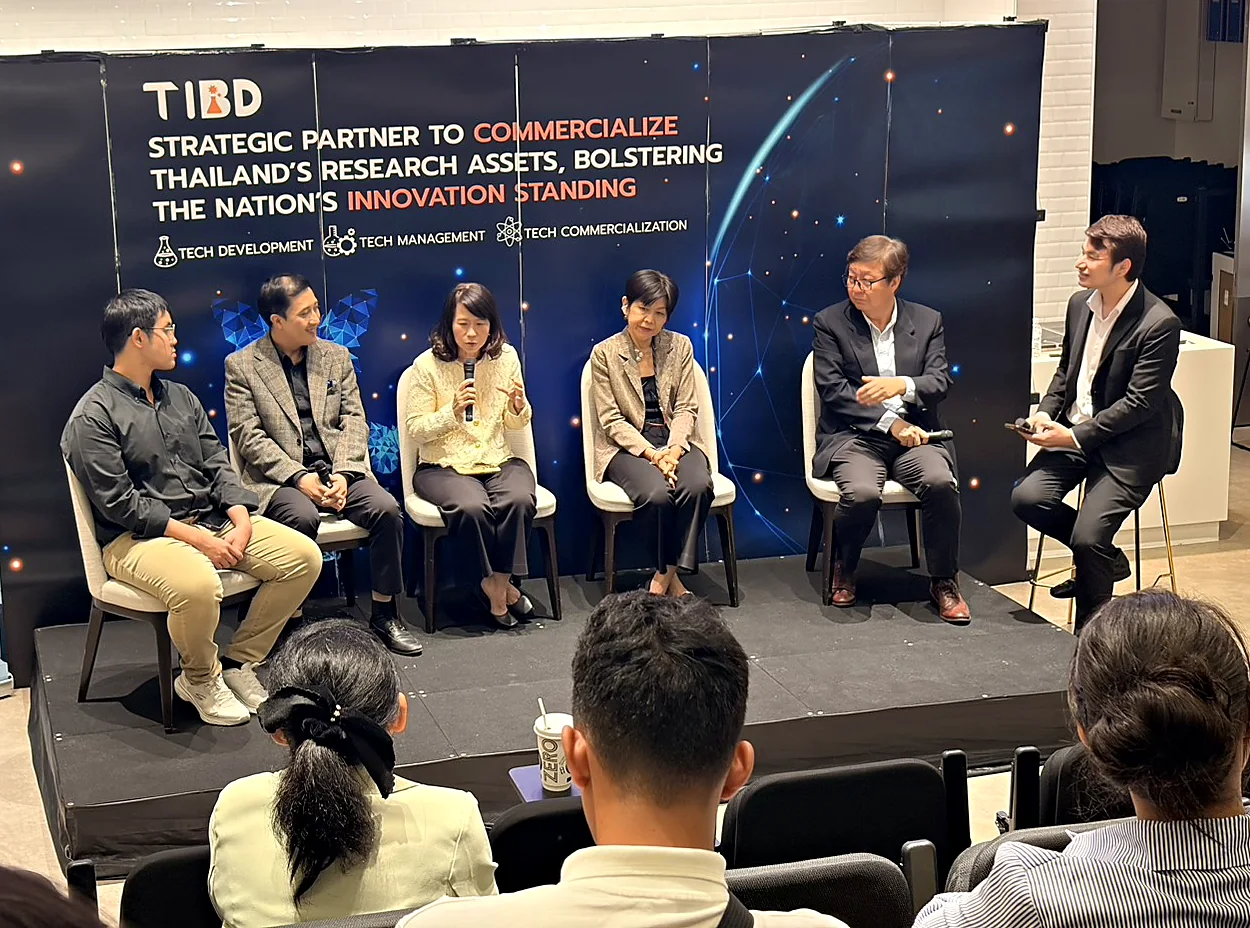
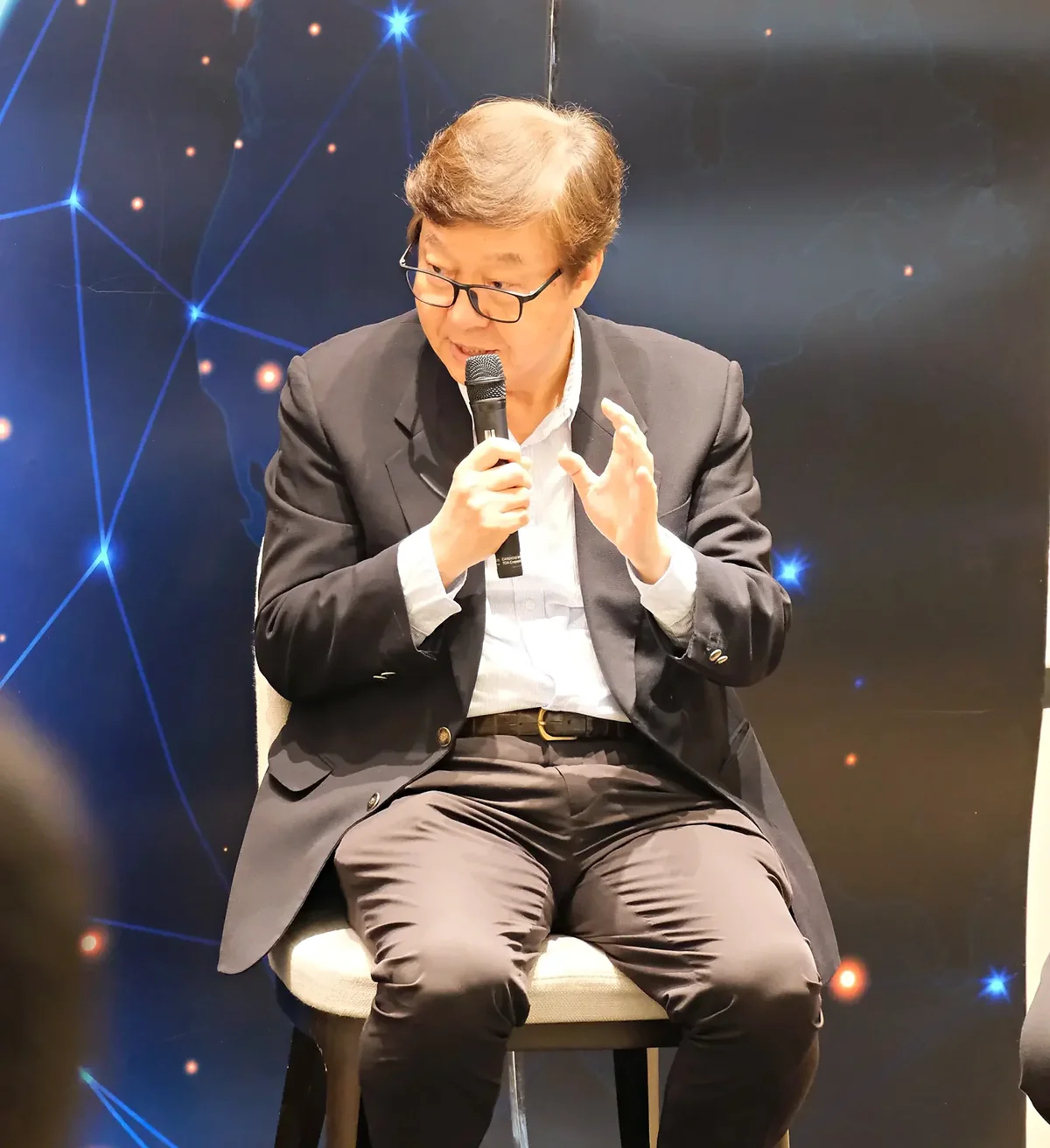
The panel “Co-creating Silk Ingredients for Thai Brands” featured Arun Werasakulchai, Kittiphoom Chinsophonsup, Dr. Kuakoon Piyachomkwan, Dr. Rungsima Chollakup, and Dr. Garbeen Yim, with Dr. Wuttipong as moderator.
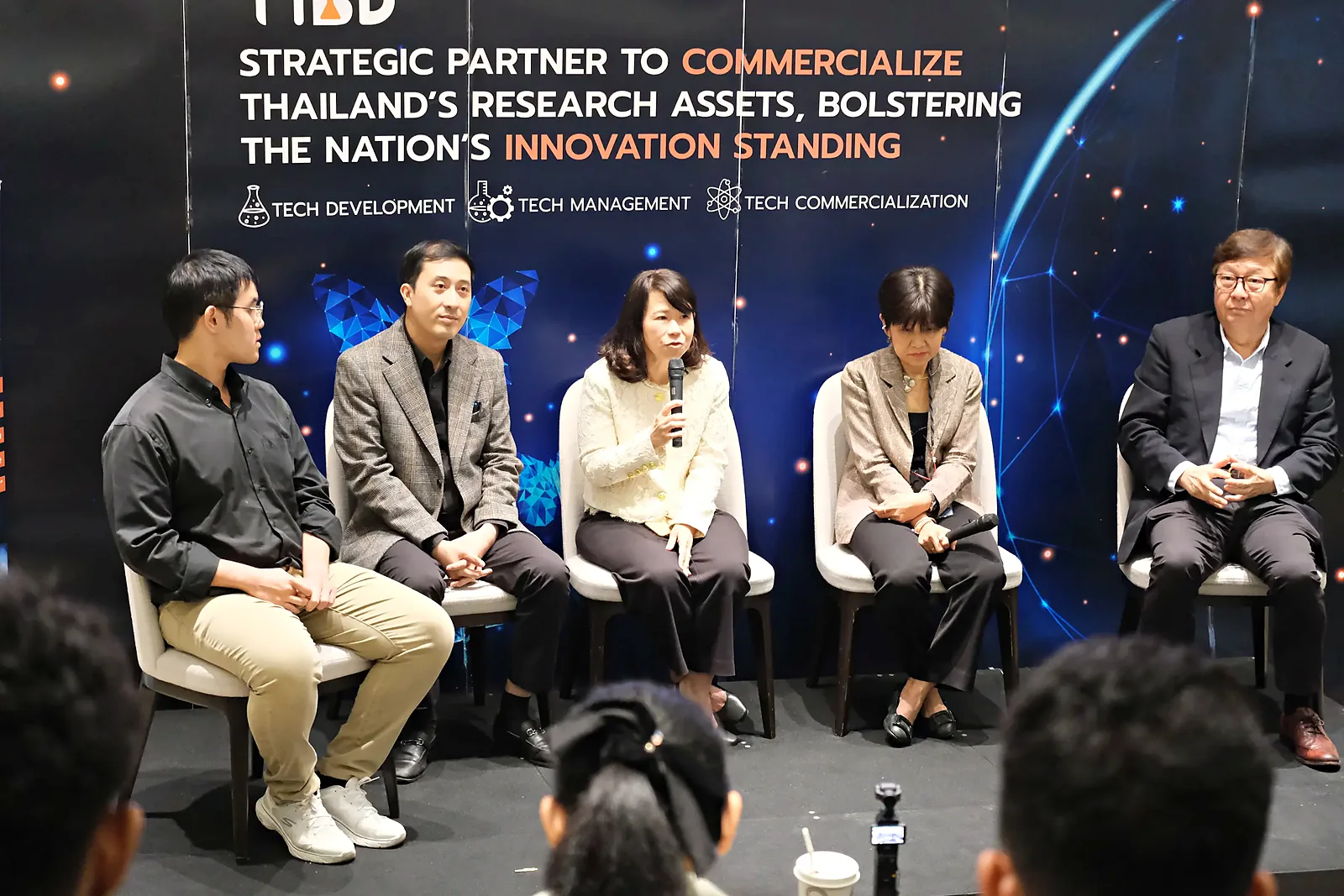
The panelists represented different points along the value chain: fiber research from KAPI, biomaterial technology from FINECO, innovation and biotechnology from Poonphol Co., Ltd., and formulation R&D and brand building from TIBD. The session closed with a Q&A between participants and the speakers.
Ingredient Showcase and Silk Partnering Dinner
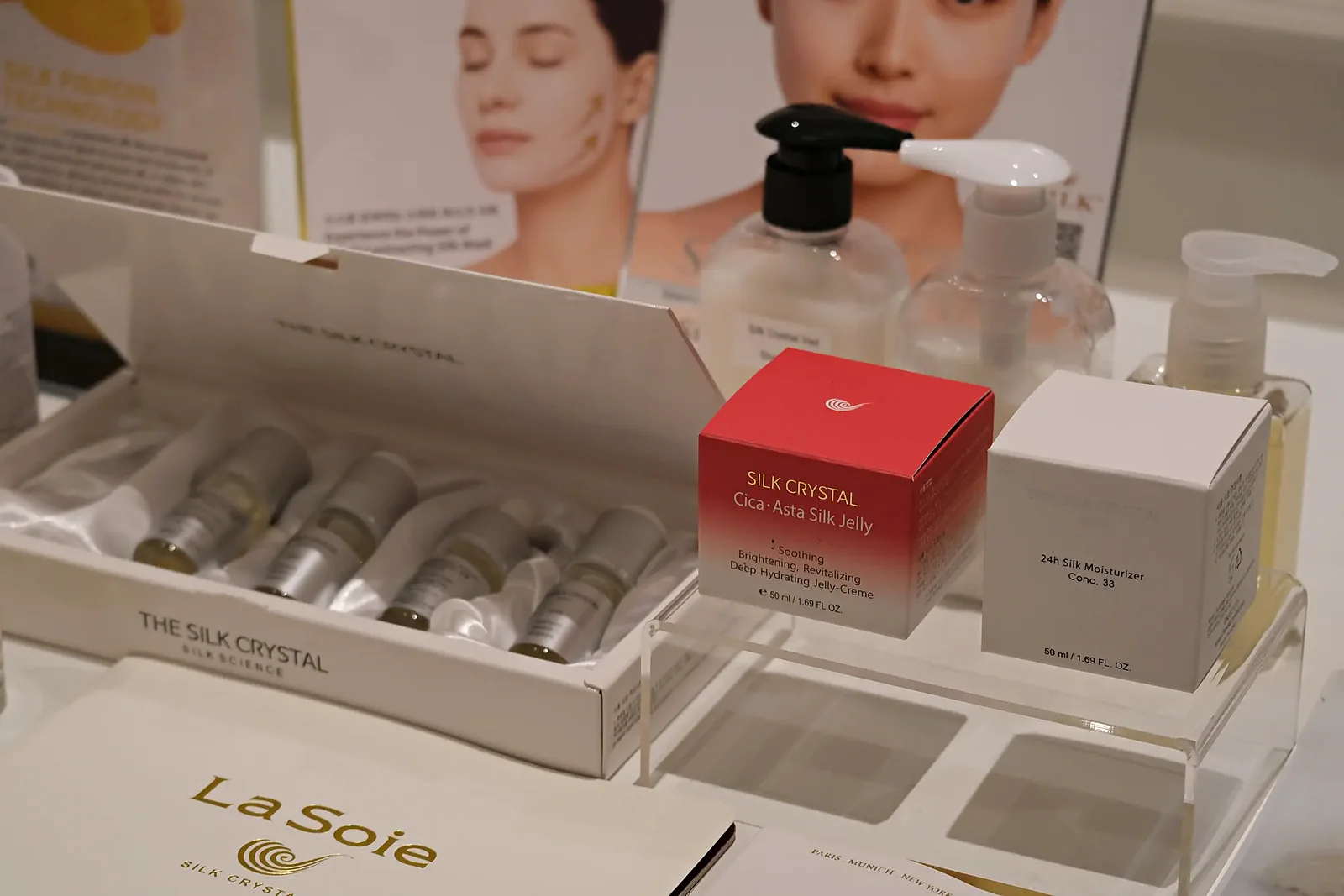
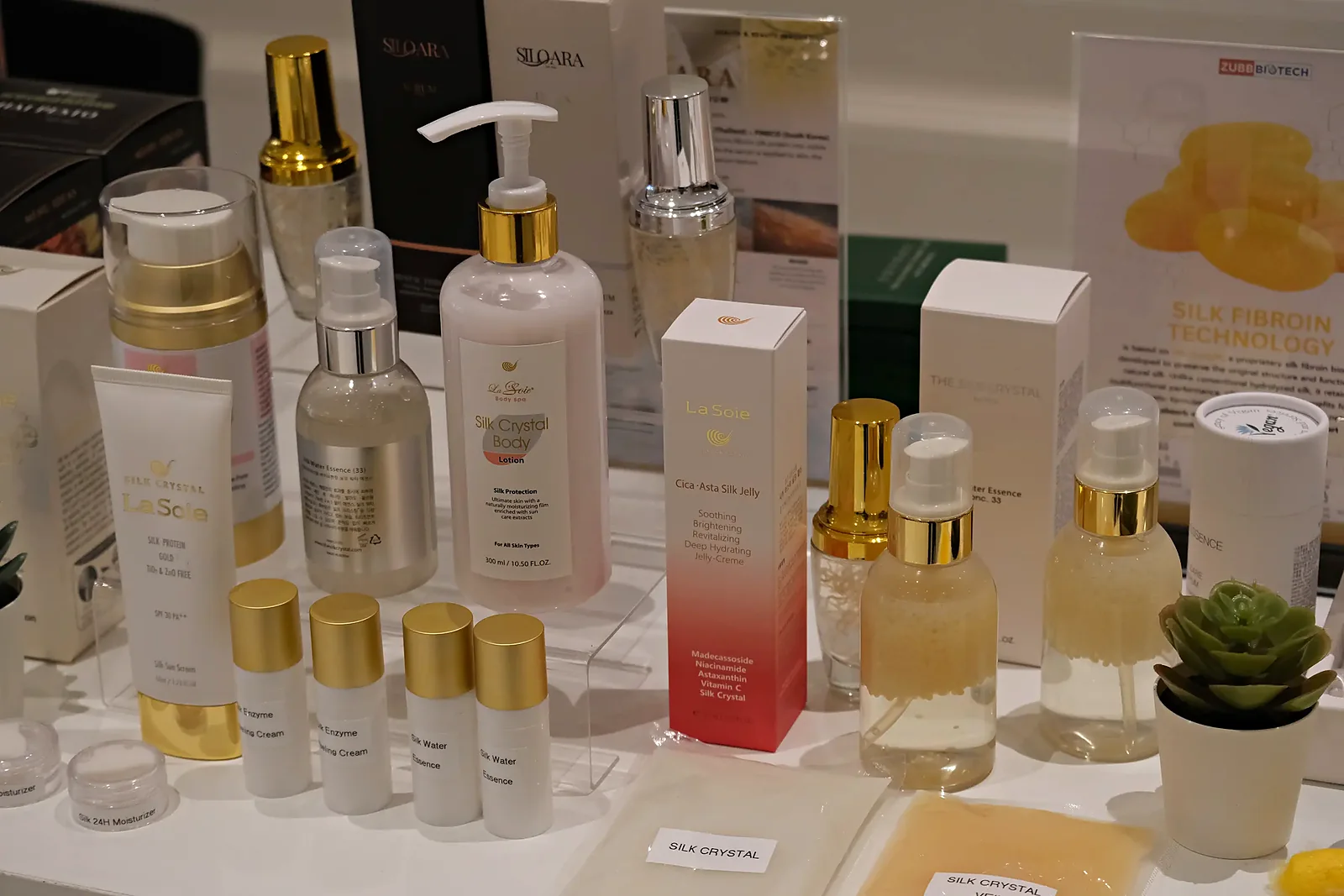
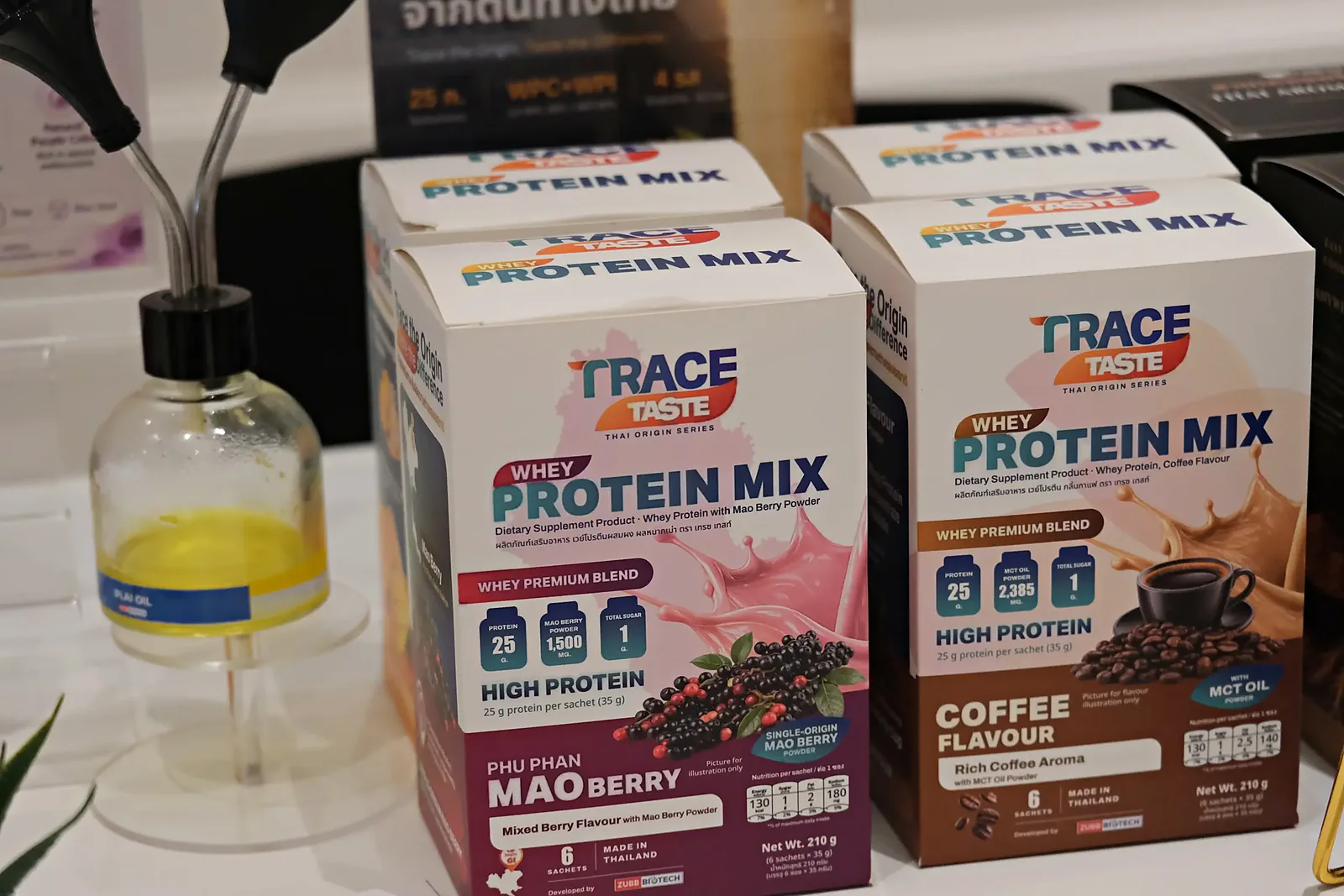
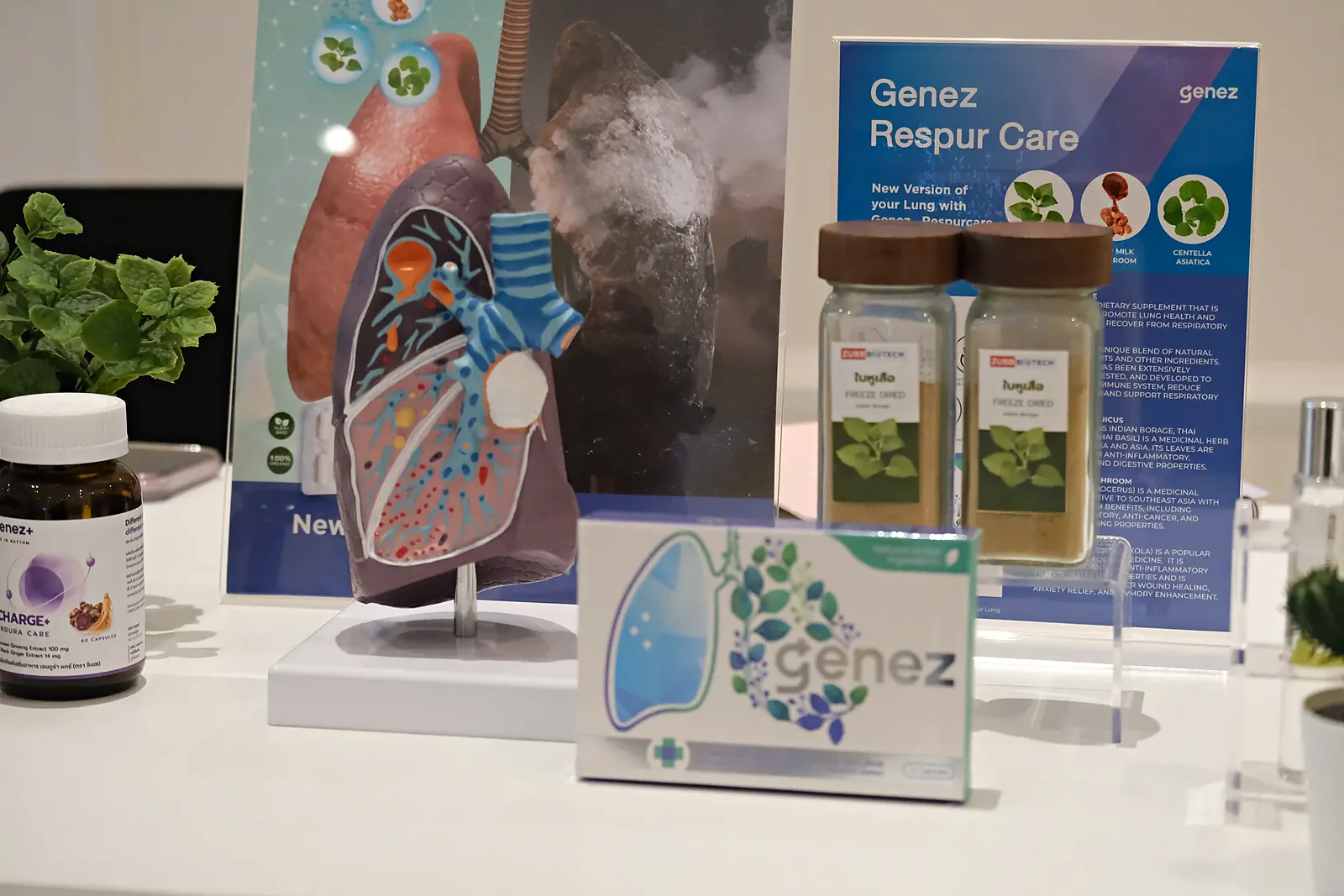
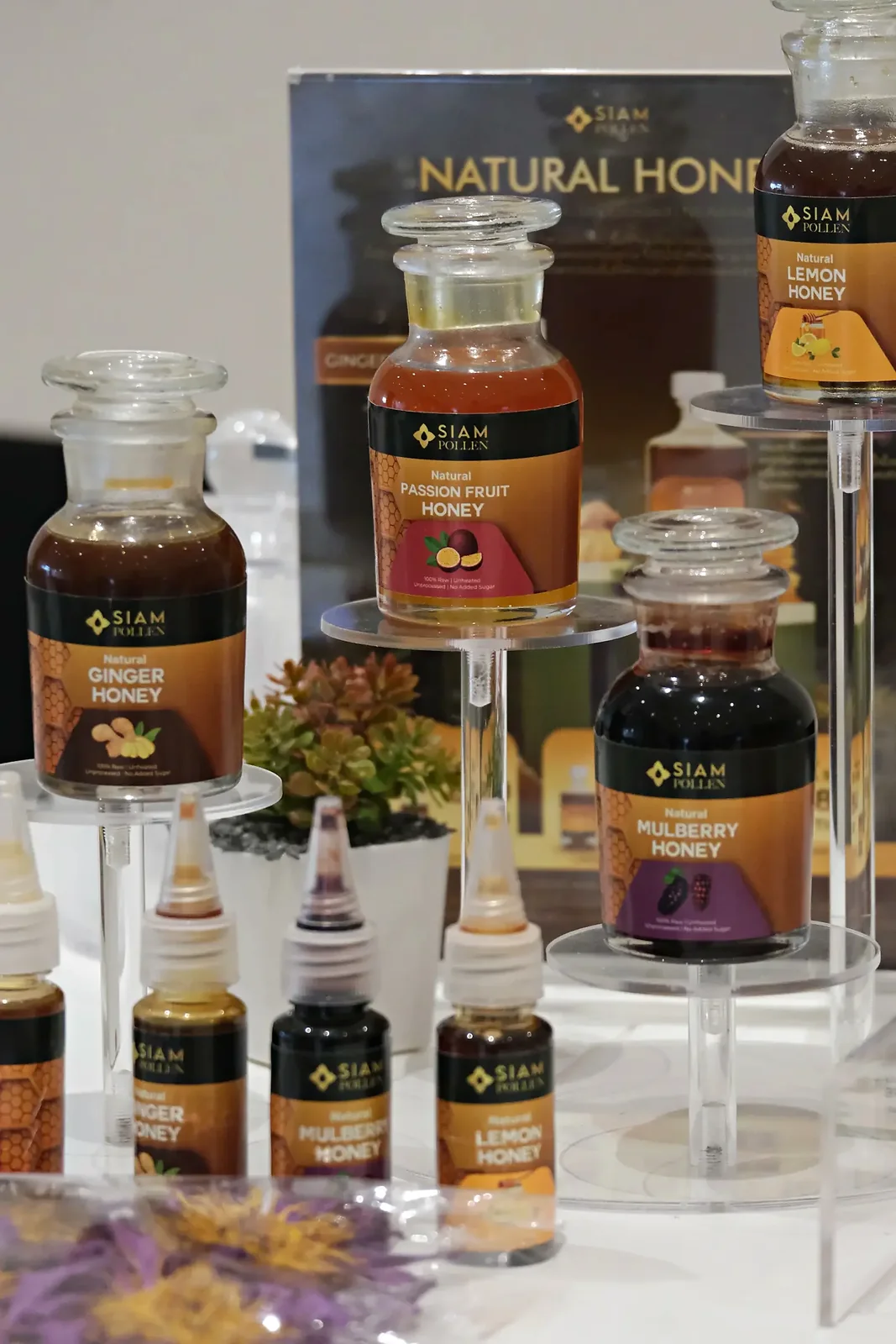
During the break, participants visited the Ingredient Showcase, which featured FINECO’s The Silk Crystal alongside products from TIBD’s own brands and partners, and joined a prize draw. The event closed with the Silk Partnering Dinner from 5:30 to 7:00 p.m., giving participants time to continue business conversations with the speakers and partners.



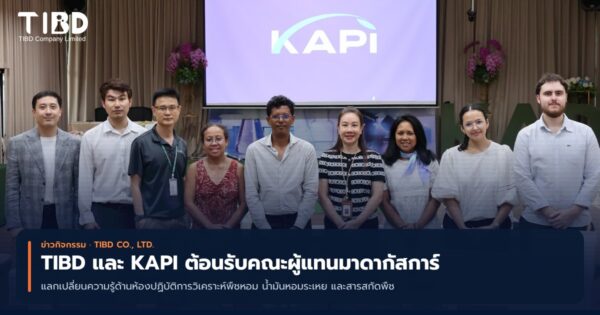
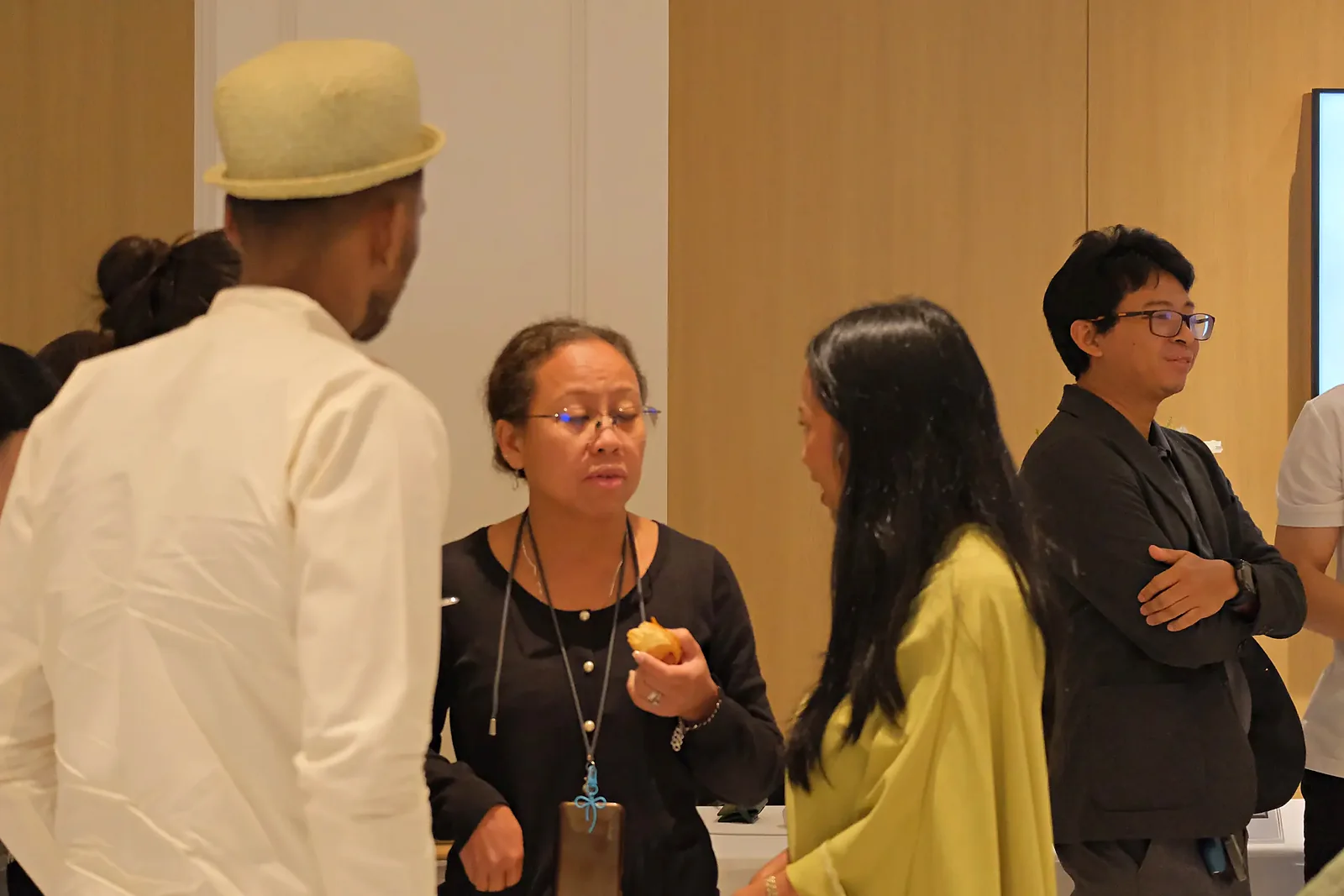
Participants came from a range of groups, including contract manufacturers (OEM/ODM), food and cosmetics businesses, research organizations, and a delegation from the Republic of Madagascar. The delegation included the Groupement des Exportateurs d’Huiles Essentielles de Madagascar (GEHEM) and the Ministry of Trade and Consumption, which visited TIBD and KAPI on November 2, 2026.
Connecting the Silk Value Chain, from Research to Brands
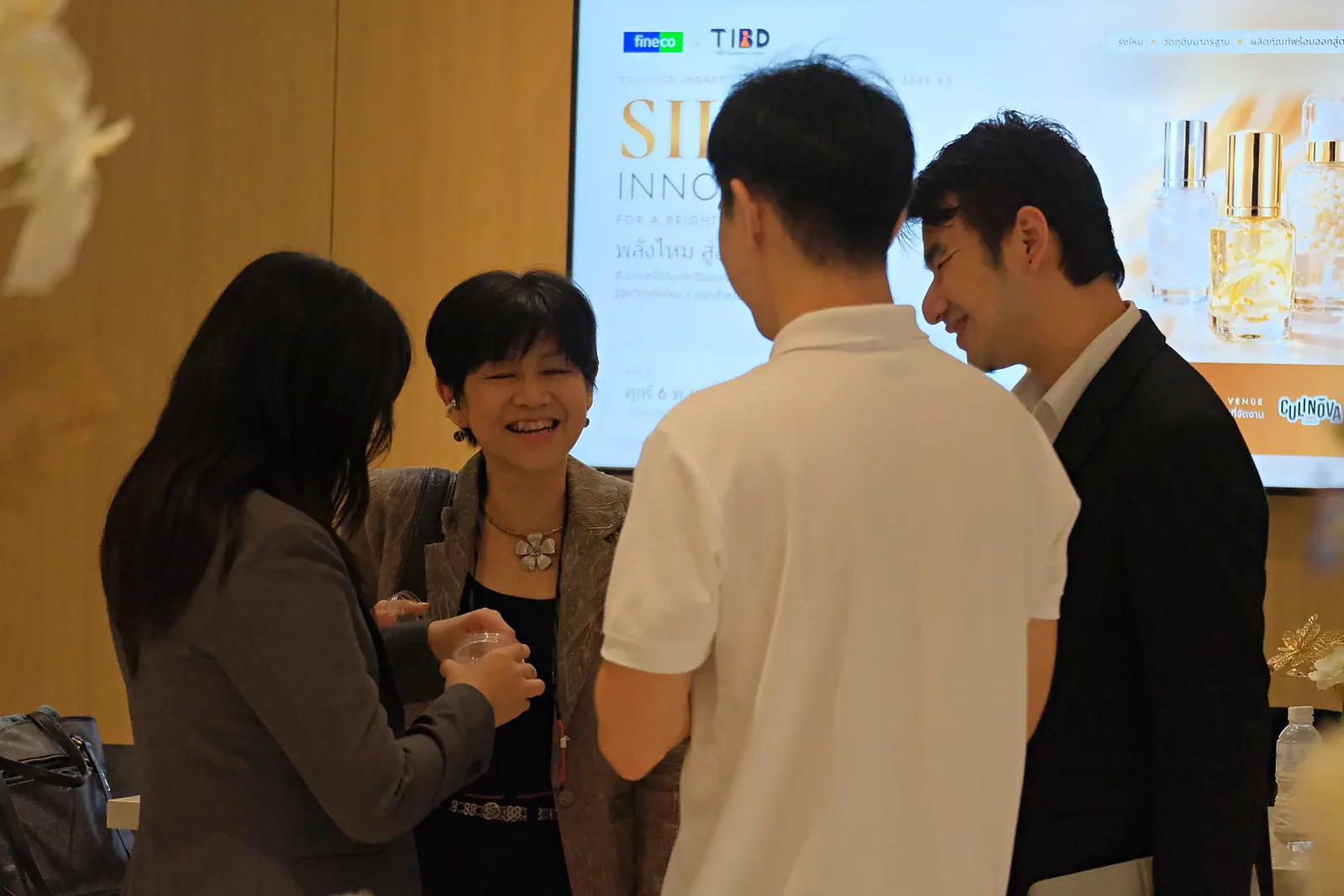
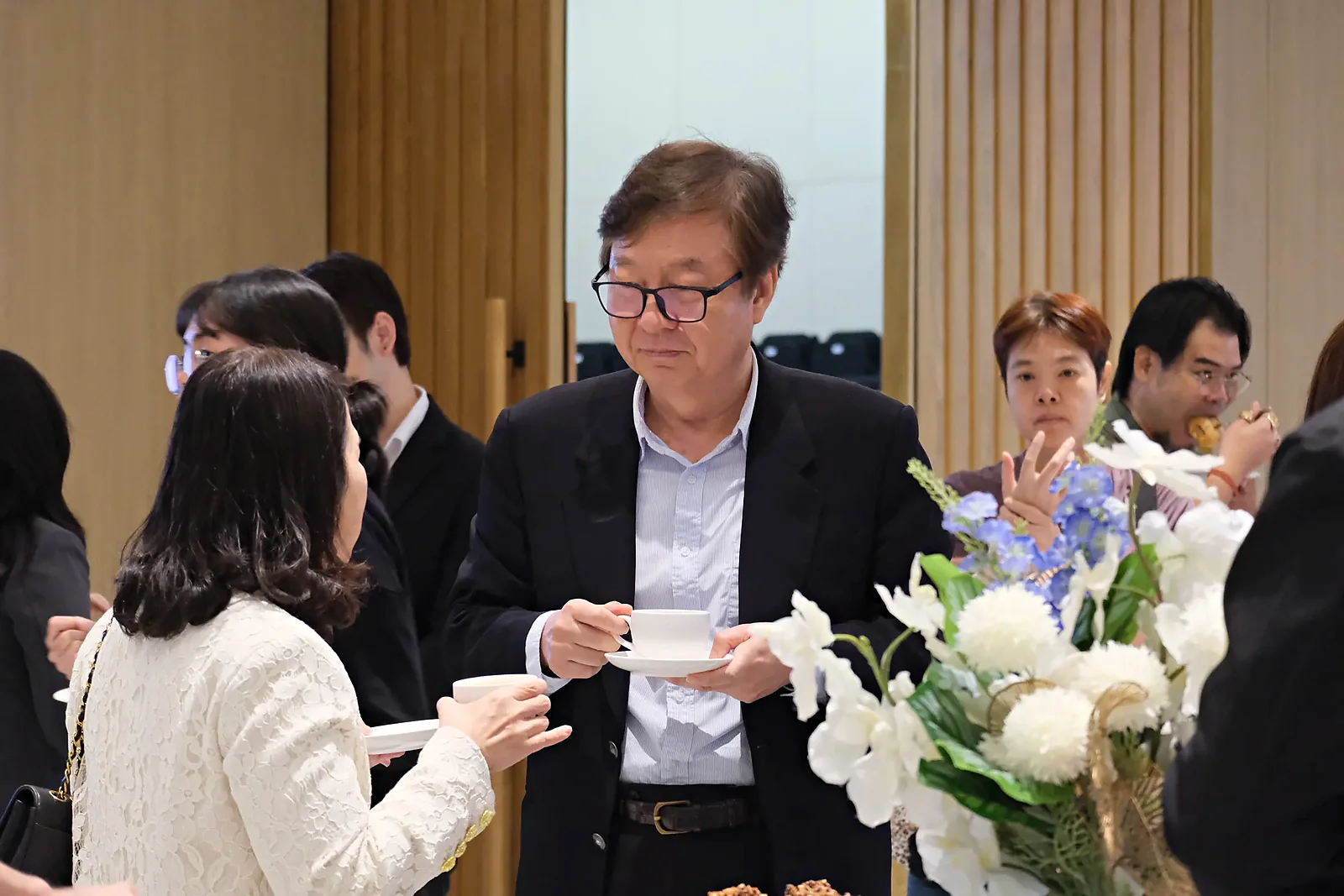
The event connected stakeholders across the silk value chain, from silk-farming community enterprises and researchers to ingredient developers, manufacturers, and brand owners.
The forum reflects the role of TIBD’s innovation ecosystem, which works with Kasetsart University, FINECO as a partner from the Republic of Korea, and VISBIO as supporter, to develop Thai ingredients on a scientific basis and lay the groundwork for long-term collaboration in the health and beauty industries of Thailand and ASEAN.
TIBD plans to continue the Branded Ingredient Development Forum series. Upcoming dates will be announced on the TIBD Events page.
For more news, visit www.tibdglobal.com | LINE Official Account @tibdglobal | Facebook: Cosmebiz – TIBD | Email: info@tibdglobal.com
References
- Sahoo JK, Hasturk O, Falcucci T, Kaplan DL. Silk chemistry and biomedical material designs. Nat Rev Chem. 2023;7:302–318. doi:10.1038/s41570-023-00486-x
- Saad M, El-Samad LM, Gomaa RA, Augustyniak M, Hassan MA. A comprehensive review of recent advances in silk sericin: Extraction approaches, structure, biochemical characterization, and biomedical applications. Int J Biol Macromol. 2023;250:126067. doi:10.1016/j.ijbiomac.2023.126067
- Chartvivatpornchai N, Okahisa Y. Structural and mechanical comparison of Eri and Mulberry silk fibroin nanofibers films through advanced mechanical treatments for sustainable applications. Int J Biol Macromol. 2025;295:139554. doi:10.1016/j.ijbiomac.2025.139554
- Chartvivatpornchai N, Daidoji N, Okahisa Y. Eri silk fibroin nanofibers as bio-based stabilizers for Pickering emulsions: Effects of mechanical treatment and environmental conditions. Colloids Surf A Physicochem Eng Asp. 2026;734:139398. doi:10.1016/j.colsurfa.2025.139398
- Chollakup R. Thai Silk Through the Lens of Fiber Science [Lecture]. Silk Innovation for a Brighter Tomorrow; 2026 Nov 6; Nonthaburi, Thailand.